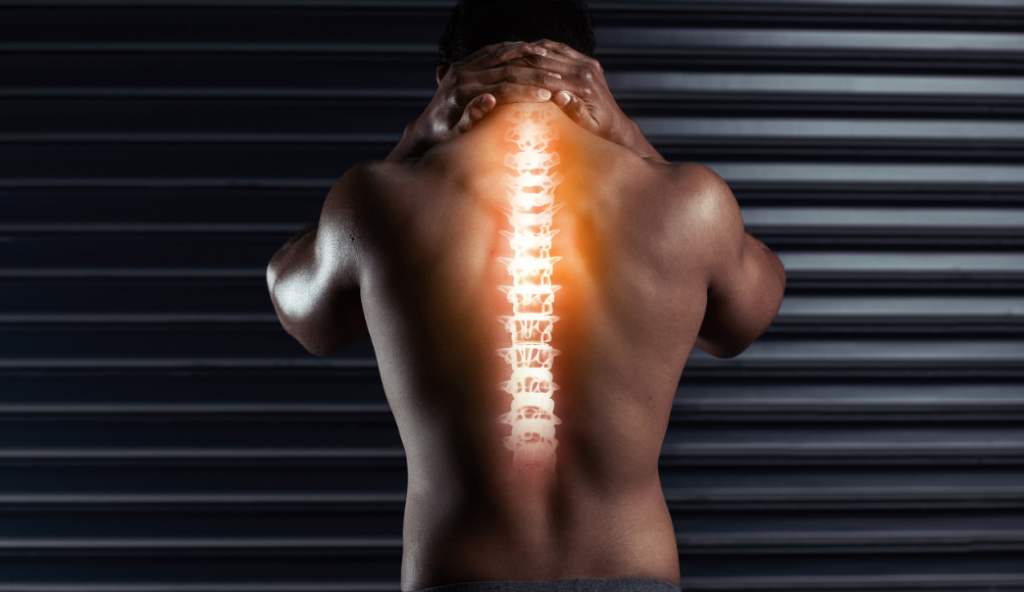
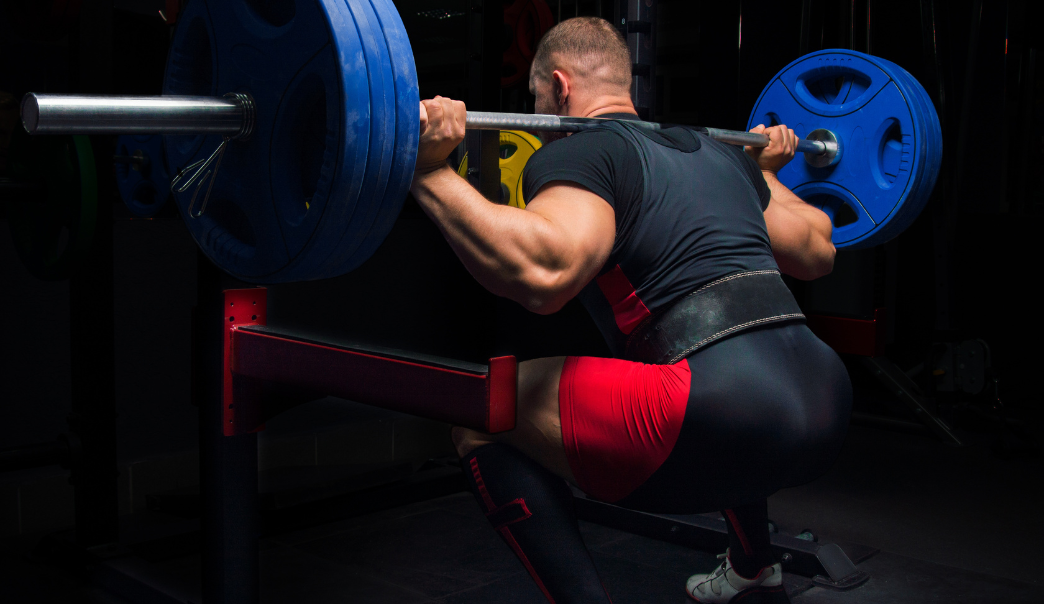
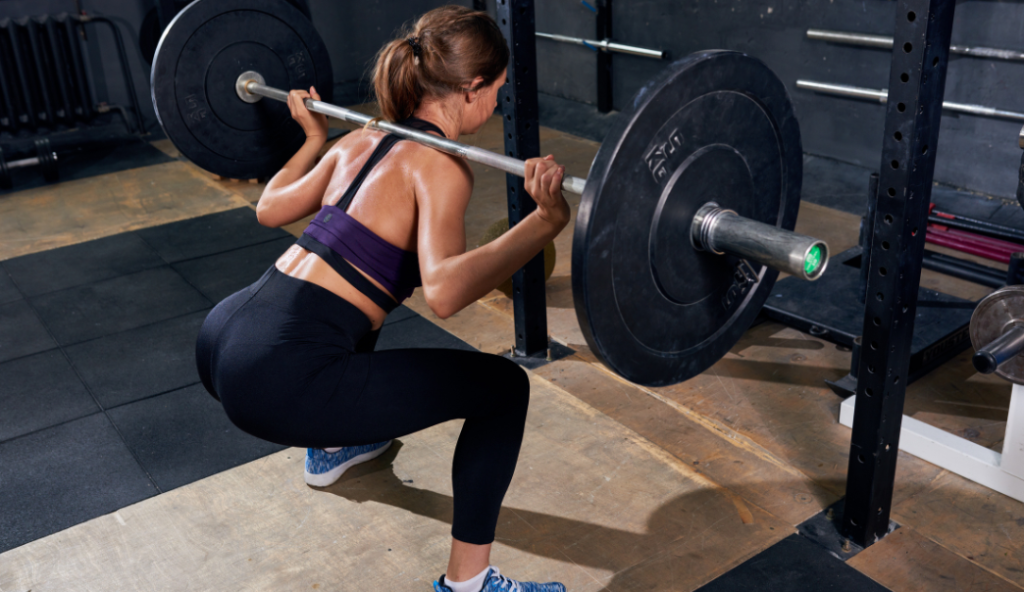
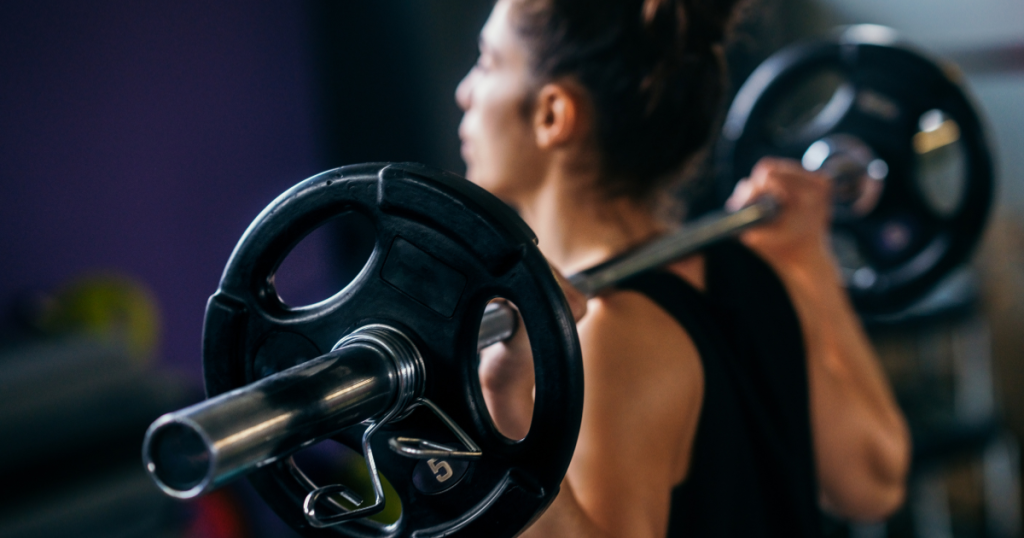
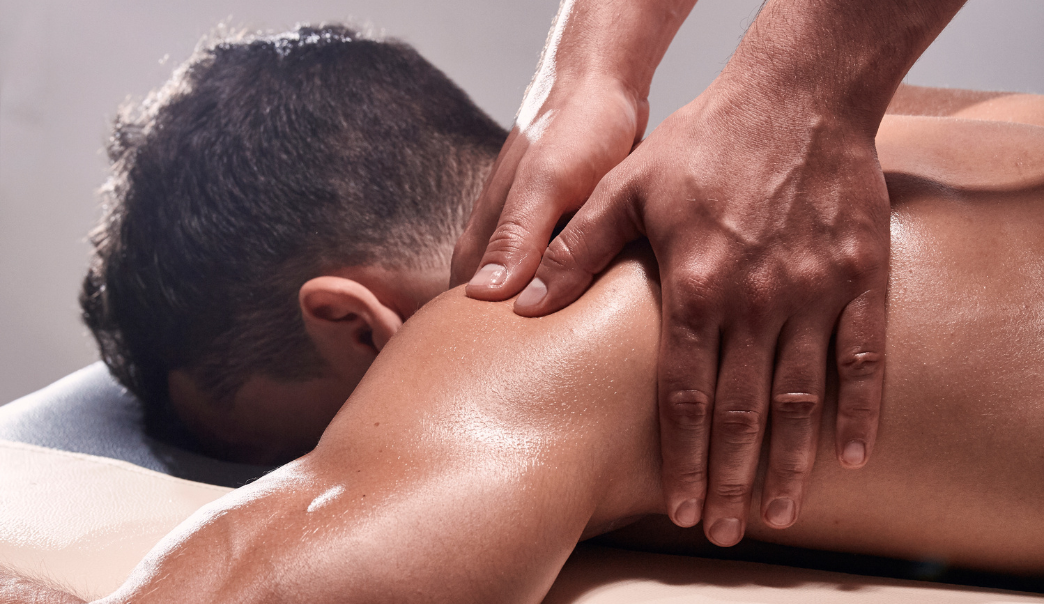
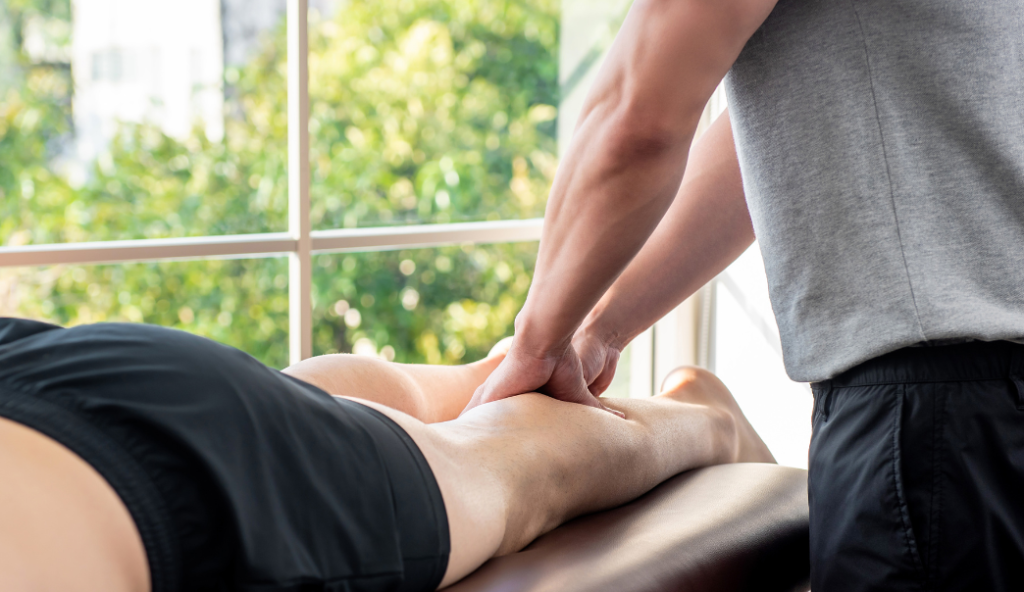
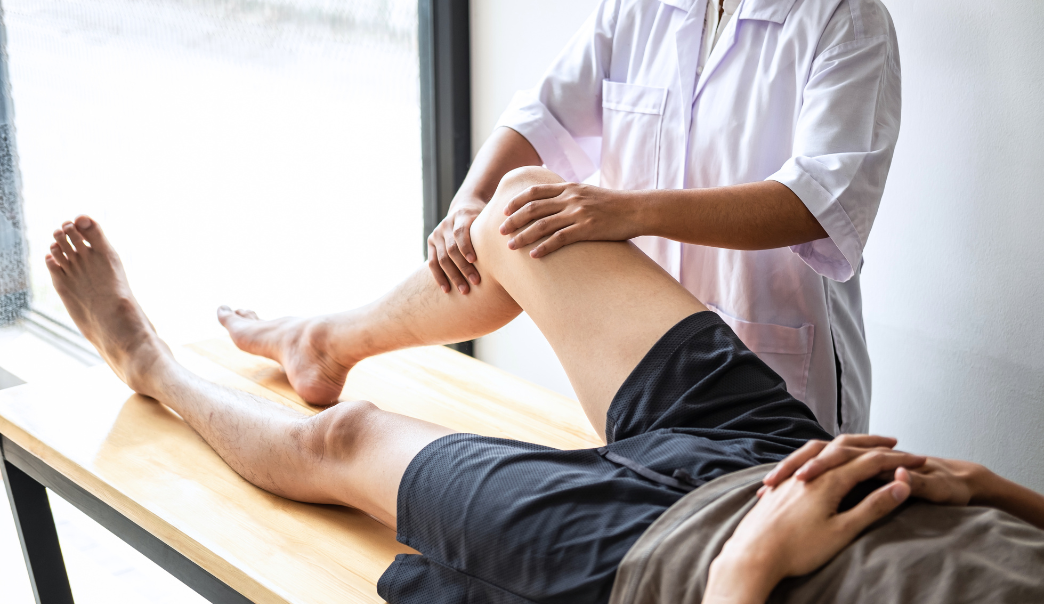
If you are a strength training enthusiast, it is essential to prioritize the health of your spine. Your spine is crucial in maintaining proper posture, balance, and overall mobility. However, the intense nature of strength training can stress your spine significantly, potentially leading to injuries and discomfort. There is a strong connection between strength training and spinal health.
As a chiropractor, I have seen many individuals dealing with spinal issues resulting from improper strength training techniques or lack of attention to spinal health. In this comprehensive guide, I will share valuable insights, tips, and techniques to help you maintain a healthy spine while engaging in strength training.
The Importance of Spinal Health in Strength Training
Let’s start by understanding why spinal health is paramount in strength training. Your spine acts as the central support structure for your entire body. It houses the spinal cord, which is responsible for transmitting crucial messages between your brain and the rest of your body. Proper spinal health ensures these messages are sent efficiently, allowing your muscles to function optimally during strength training exercises.
Furthermore, a healthy spine promotes proper posture, which is essential for correctly executing strength training movements. Poor posture makes you more likely to develop muscular imbalances and compensatory movement patterns, increasing the risk of injuries.
Regarding strength training, your spine is vital in providing stability and support. Whether you’re performing squats, deadlifts, or overhead presses, a strong and stable spine allows you to generate maximum force and power. Your ability to lift heavy weights and perform complex movements can be compromised without a healthy spine.
One aspect of spinal health that often gets overlooked is the role of the intervertebral discs. These discs act as shock absorbers between the vertebrae, cushioning the spine and preventing excessive wear and tear. Proper hydration and nutrition are essential for maintaining the health and integrity of these discs. Drinking plenty of water and consuming a diet rich in nutrients, such as vitamins C and D, can help keep your intervertebral discs in optimal condition.
Understanding Spinal Injuries in Strength Training
Before diving deeper into the importance of spinal health in strength training, it is crucial to understand common injuries that can occur. Two significant types of injuries associated with strength training are acute and overuse injuries.
Acute injuries occur suddenly and result from a specific traumatic event, such as lifting a heavy weight with improper form and experiencing a sudden jolt or strain on the spine. These injuries can range from muscle strains to more severe conditions like herniated discs or vertebral fractures. Prioritizing proper form and technique when performing strength training exercises is essential to minimize the risk of acute injuries.
Overuse injuries, on the other hand, develop gradually over time due to repetitive stress on the spine. These can be caused by excessive training volume, improper exercise technique, or insufficient rest and recovery periods. Common overuse injuries in strength training include disc degeneration, facet joint syndrome, and muscle imbalances.
Identifying and addressing these injuries promptly is crucial to prevent them from worsening and affecting your overall spinal health. If you experience any persistent pain, discomfort, or limited range of motion in your spinal area, it’s essential to consult with a chiropractor or other healthcare professional.
Identifying and Managing Common Strength Training Injuries
Identifying and managing common strength training injuries is crucial for maintaining spinal health. Back strains, herniated discs, and muscle imbalances are the most prevalent injuries that strength trainers face. If you experience any persistent pain, discomfort, or limited range of motion in your spinal area, it’s essential to consult with a chiropractor or other healthcare professional.
Once you have identified the source of your injury, a chiropractor can develop a personalized treatment plan that may include spinal adjustments, exercises to strengthen supporting muscles, and advice on proper lifting techniques. Early intervention is key to preventing minor injuries from progressing into more severe conditions.
In addition to seeking professional help, there are steps you can take to prevent injuries and promote spinal health during strength training. Warm up adequately before each workout to prepare your muscles and joints for the exercise demands. Incorporate exercises that target the muscles supporting your spine, such as core exercises and back extensions, into your training routine. Focus on maintaining proper form and technique throughout your workouts, and listen to your body’s signals to avoid pushing beyond your limits.
Furthermore, make sure to prioritize rest and recovery. Your body needs time to repair and rebuild after intense strength training sessions. Adequate sleep, proper nutrition, and active recovery activities like stretching and foam rolling can help support your body’s healing process and prevent overuse injuries.
Remember, spinal health should not be taken lightly regarding strength training. By prioritizing proper form, seeking professional guidance when needed, and taking proactive steps to prevent injuries, you can ensure that your spine remains healthy and strong, allowing you to reach your strength training goals safely and effectively.
Chiropractic Techniques for Strength Athletes
Chiropractic care can play a significant role in promoting and maintaining spinal health for strength athletes. Here are some chiropractic techniques that can benefit you:
1. Spinal Adjustments
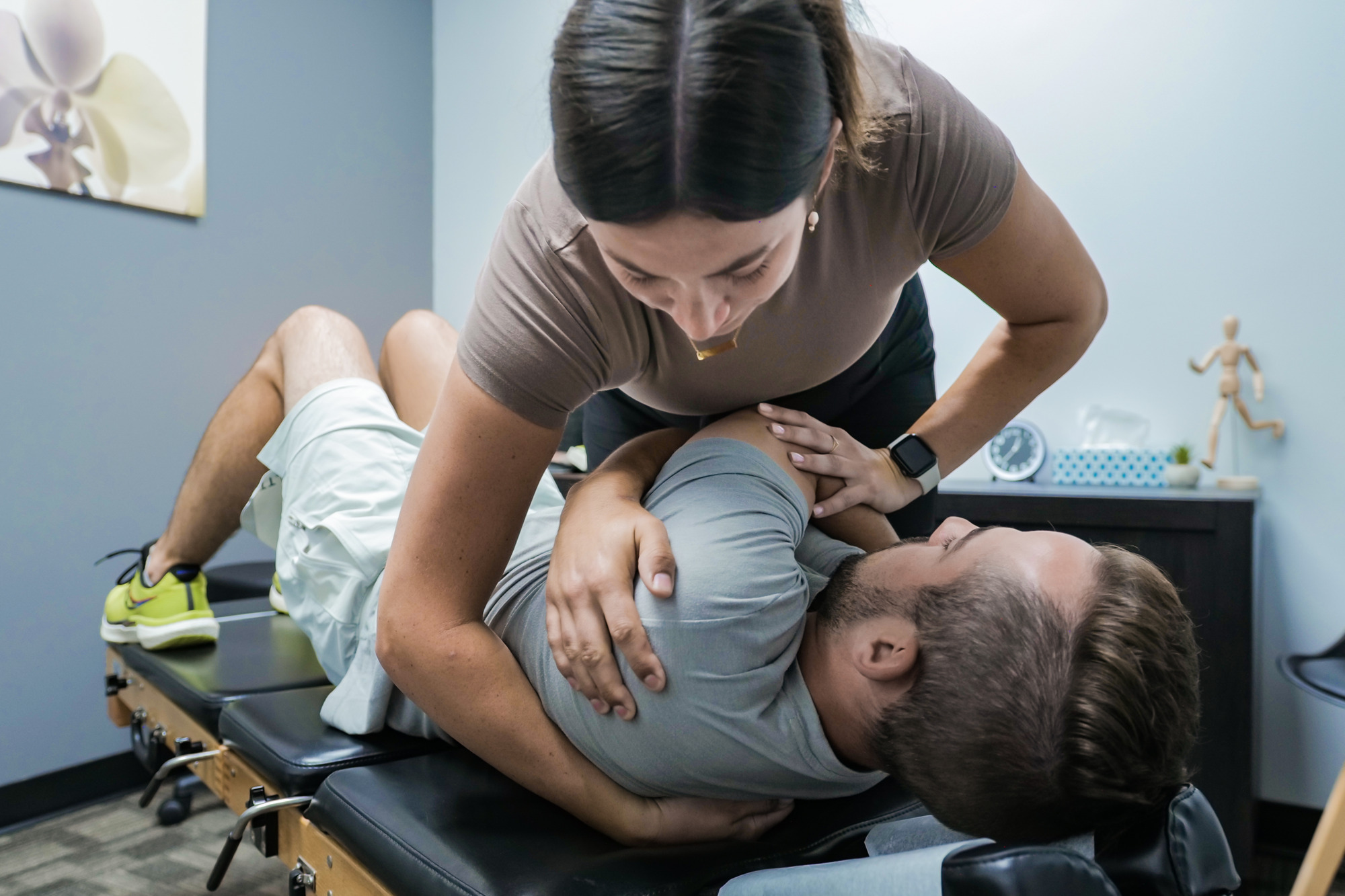
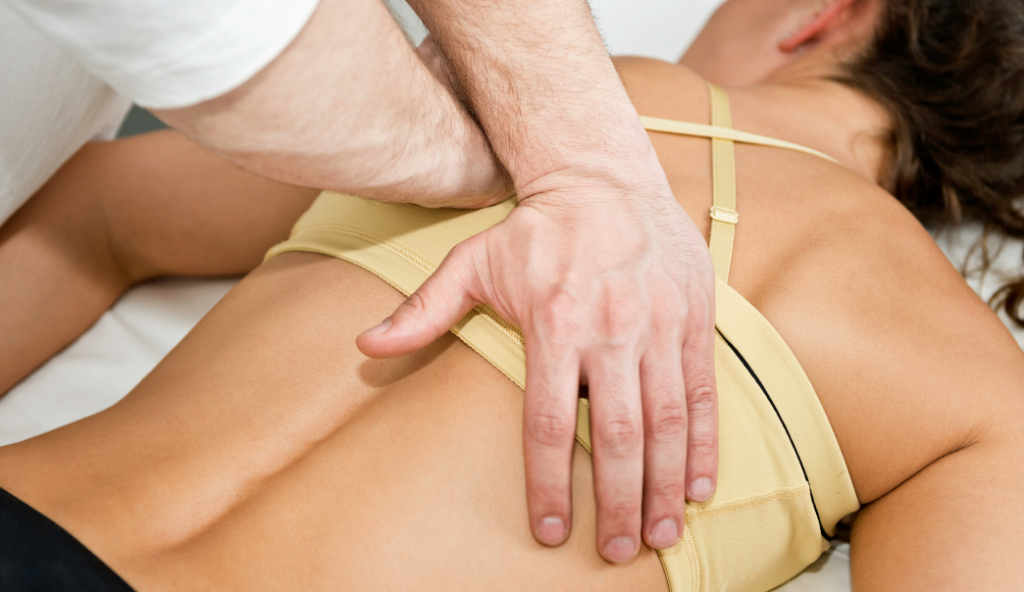
Spinal adjustments, also known as spinal manipulations, are commonly performed by chiropractors. They involve applying controlled force to specific joints in the spine to improve spinal alignment and restore proper joint function. These adjustments can alleviate pain, improve mobility, and enhance overall performance.
During a spinal adjustment, the chiropractor will use their hands or specialized instruments to apply a quick, controlled force to the targeted joint. This can result in a popping or cracking sound, simply releasing gas bubbles from the joint. The adjustment helps to realign the vertebrae, relieving pressure on nerves and improving the communication between the brain and the rest of the body.
Research has shown that spinal adjustments can positively impact strength athletes. They can help to optimize muscle recruitment, improve range of motion, and enhance overall athletic performance. Regular chiropractic care, including spinal adjustments, can also help prevent future injuries by maintaining proper spinal alignment.
2. Soft Tissue Therapy
Strength training often leads to muscle tightness and knots, contributing to spinal discomfort. Soft tissue therapy techniques, such as myofascial release and trigger point therapy, can help alleviate muscle tension and promote optimal blood flow in the affected areas.
Myofascial release involves applying sustained pressure to the soft tissues to release tension and restore mobility. This technique targets the fascia, a connective tissue surrounding and supporting muscles, bones, and organs. Myofascial release can help improve flexibility and reduce pain by releasing restrictions in the fascia.
Trigger point therapy focuses on identifying and releasing trigger points, which are tight knots within the muscles. These knots can cause referred pain and restrict movement. By applying pressure to these trigger points, chiropractors can help relax the muscles, reduce pain, and restore proper function.
Preventing Spinal Injuries in Weightlifting
Weightlifting, though highly rewarding, carries a significant risk for spinal injuries if not performed with proper form and technique. Here are some tips to help you prevent spinal injuries during weightlifting:
Focus on Technique: Prioritize proper form over lifting heavy weights. Master the correct technique for each exercise to ensure you engage the right muscles and minimize stress on your spine.
Gradual Progression: Gradually increase the weight and intensity of your lifts over time. Avoid sudden jumps in load, as this can strain your spine excessively and increase the risk of injury.
Warm-up and Cool-down: Always warm your muscles before starting your weightlifting session. This prepares your body for the upcoming intense workout. Similarly, cool down with stretches to release tension and prevent muscle tightness.
Listen to Your Body: Avoid pain or discomfort while weightlifting. If you experience any unusual sensations in your spine, stop immediately and seek professional advice.
By following these guidelines, you can minimize the risk of spinal injuries and enjoy the benefits of weightlifting safely. Remember, chiropractic care can also be a valuable addition to your routine, helping to keep your spine in optimal condition and supporting your strength training goals.
Lifestyle and Training Tips for Strength Trainers
Strength training is not just about the exercises themselves; it is a holistic approach to fitness and wellbeing. Here are some lifestyle and training tips to enhance your strength training journey while prioritizing spinal health:
Proper Nutrition
Fuel your body with a balanced diet of essential nutrients. Adequate protein intake is crucial for muscle recovery and repair. Consider incorporating lean meats, fish, eggs, dairy products, legumes, and whole grains into your meals. These foods provide the necessary building blocks for strong muscles and optimal performance.
Hydration
Stay hydrated to optimize muscle function and prevent muscle cramps. Water is essential for maintaining proper bodily functions, including muscle contraction and lubrication of joints. Aim to drink at least eight glasses of water daily, and increase your intake during intense training sessions or hot weather.
Sleep and Recovery
Allow your body time to rest and recover between training sessions. Aim for 7-9 hours of quality sleep each night. During sleep, your body repairs and rebuilds muscle tissues, replenishes energy stores, and regulates hormone levels. Prioritize sleep as an integral part of your strength training routine.
Mobility and Flexibility
Incorporate regular mobility and flexibility exercises into your routine to maintain joint health and prevent stiffness. Dynamic stretching, yoga, and foam rolling effectively improve flexibility, increase range of motion, and reduce the risk of injuries. Prioritize a warm-up and cool-down routine that includes these exercises.
Stress Management
Chronic stress can negatively impact your spinal health—practice stress management techniques such as meditation, deep breathing, and regular relaxation to promote overall well-being. Engaging in activities you enjoy, spending time in nature, and connecting with loved ones can also help reduce stress levels and improve your mental and physical health.
Regular Chiropractic Care
Consider regular check-ups with a chiropractor to ensure your spine is in optimal condition and to address any minor issues before they become significant problems. Chiropractic adjustments can help improve spinal alignment, relieve tension, and enhance overall musculoskeletal function. A chiropractor can also provide personalized guidance on exercises and stretches that target specific areas of concern.
By following these tips, incorporating chiropractic care into your routine, and maintaining a strong focus on spinal health, you can enjoy the benefits of strength training while minimizing the risk of injury and maximizing your overall performance. Remember, a healthy spine is the foundation for a strong and resilient body.
If you’re an avid fitness enthusiast, you may have experienced back pain after doing squats. It’s a common problem that many people encounter, but the good news is there are ways to fix it.
This article will explore various strategies and techniques to alleviate back pain after squats, allowing you to continue your fitness journey without discomfort.
Identifying Causes of Back Pain Post-Squats
Before diving into solutions, it’s essential to understand the underlying causes of back pain after squats. One possible cause is improper form and technique while performing the exercise. When done incorrectly, squats can put excessive strain on the lower back, leading to discomfort and pain. Maintaining proper alignment throughout the movement is crucial, ensuring that your knees are tracking over your toes and your back is straight.
Another factor contributing to back pain post-squats is tight or weak back, core, or hips muscles. When these muscles are not adequately conditioned, they may struggle to support the spine during squatting. Tightness in the hip flexors, hamstrings, or glutes can also affect the alignment of the pelvis and contribute to back pain.
Additionally, underlying conditions such as herniated discs or spinal stenosis can make individuals more susceptible to experiencing back pain after squats. These conditions may cause the spinal structures to become more vulnerable to stress and strain, leading to discomfort during exercises that involve the lower back.
Identifying the root cause of your back pain after squats is crucial in finding an effective remedy for your discomfort. It is recommended to consult with a healthcare professional or a qualified fitness trainer who can assess your form, muscle imbalances, and any underlying conditions that may be contributing to your pain. They can provide personalized guidance and develop a targeted plan to address the specific causes of your back pain.
Correcting Form and Technique in Squats
Examining your form and technique is the first step in fixing back pain after squats. Proper squat form is crucial to avoiding unnecessary strain on your lower back. Start by ensuring your feet are shoulder-width apart and your toes are slightly turned out. Engage your core and keep your back straight throughout the movement. As you descend, push your hips back as if you’re sitting on an imaginary chair. Regularly practicing correct form will help you avoid future back pain.
When it comes to squatting, form and technique are of utmost importance. It is not just about lifting heavy weights; it is about performing the exercise correctly to prevent injuries and maximize the benefits. Paying attention to the details of your form ensures that your squatting technique is on point.
One aspect to consider is the positioning of your feet. Placing your feet shoulder-width apart provides a stable base of support and allows for proper alignment of your knees and hips. Toes slightly turned outwards can help maintain balance and engage the correct muscles during the squat.
Equally important is engaging your core and keeping your back straight throughout the movement. Your core muscles act as a stabilizer, helping to maintain proper alignment and reducing the strain on your lower back. You can protect your spine by activating your core and avoid unnecessary pain or injury.
As you descend into the squat, you must push your hips back as if sitting on an imaginary chair. This movement pattern helps to engage your glutes and hamstrings, distributing the load more evenly and reducing the strain on your lower back. By mastering this hip hinge motion, you can ensure that your squat is effective and safe.
Furthermore, it is essential to consider the depth of your squat. Going too low can put excessive pressure on your back, especially if you lack the necessary flexibility or strength. Aiming for a range where your thighs are parallel to the ground is recommended. However, it is crucial to listen to your body and not force yourself to go lower than what feels comfortable for you. Gradually increasing your squat depth over time, as your mobility and strength improve, can be a more sustainable approach.
Remember, correcting your form and technique in squats is an ongoing process. It requires patience, practice, and a willingness to listen to your body. By prioritizing proper form and paying attention to the details, you can enjoy the benefits of squats while minimizing the risk of back pain or injury.
Stretching and Strengthening Exercises for Back Pain Relief
Stretching and strengthening exercises can provide immense relief for back pain after squats. Start by incorporating dynamic stretches into your warm-up routine. These stretches help to increase blood flow and flexibility in your muscles, reducing the risk of strain.
Some great exercises include the cat-camel stretch, where you get on all fours and arch and round your back, and the seated forward bend, where you sit on the ground with your legs extended and reach for your toes. These exercises will target your back, core, and hip muscles, improving their flexibility and strength.
Additionally, incorporate exercises specifically targeting your lower back, such as the Superman and Bird Dog exercises. These movements help strengthen the muscles in your back, providing better support and stability during squats.
The Role of Nutrition in Back Pain Relief
While focusing on exercises to alleviate back pain after squats is essential, paying attention to your nutrition is also crucial. Proper nutrition significantly affects your overall health and can reduce pain.
Ensure your diet includes adequate amounts of essential nutrients like calcium, vitamin D, and magnesium, aiding muscle recovery and promoting bone health. Calcium is vital for maintaining strong bones, while vitamin D helps with calcium absorption. Conversely, magnesium plays a crucial role in muscle relaxation and can help alleviate muscle tension and spasms.
Furthermore, staying hydrated is essential for maintaining healthy muscles and joints. Dehydration can lead to muscle cramps and stiffness, aggravating back pain. Remember to drink enough water throughout the day to hydrate your body.
Safeguarding Your Back During Strength Training
To prevent back pain after squats and other strength training exercises, it’s crucial to prioritize proper technique and safety. Avoid loading weights that are too heavy for you, as this can strain your back excessively. Gradually increase the weight over time as your strength and form improve.
Additionally, consider incorporating other exercises that strengthen your core and back muscles, such as deadlifts and hip thrusts. A strong core and back will provide stability and support during squats, minimizing the risk of injury and pain.
Furthermore, listening to your body and taking breaks when needed is important. Pushing through pain or fatigue can lead to overuse injuries and exacerbate existing back pain. Rest and recovery are as important as exercise in maintaining a healthy and pain-free back.
Lastly, consider incorporating stretching exercises into your post-workout routine. This can help relax and lengthen the muscles that may have tightened during your workout, reducing the risk of post-exercise soreness and stiffness.
By incorporating these strategies into your routine, you can effectively manage and prevent back pain after squats, allowing you to continue enjoying the benefits of strength training without discomfort or injury.
Role of Chiropractic Care in Treating Exercise-Related Back Pain
If you’re experiencing persistent or severe back pain after squats, seeking professional help may be beneficial. Chiropractic care can be an effective treatment option for exercise-related back pain. A chiropractor can assess your condition and provide targeted adjustments to align your spine correctly.
Various factors, including improper form, muscle imbalances, or overexertion, can cause exercise-related back pain. When you visit a chiropractor, they will conduct a thorough examination to identify the root cause of your pain. This may involve assessing your posture, range of motion, and muscle strength.
Determining the underlying cause and building a plan
Once the chiropractor has determined the underlying cause of your back pain, they will develop a personalized treatment plan. In addition to spinal adjustments, chiropractic care often includes additional therapies to enhance healing.
Massage and Hot or Cold Therapy
One commonly used therapy is massage. Massage can help relax tight muscles, improve blood circulation, and reduce inflammation. A chiropractor can help alleviate tension and promote pain relief by targeting specific muscle groups.
Heat or cold therapy is another technique frequently used in chiropractic care. Applying heat to the affected area can help increase blood flow, relax muscles, and reduce stiffness. On the other hand, cold therapy can help numb the area, reduce inflammation, and alleviate pain.
Exercise and Stretch Recommendations for Back Pain After Squats
Chiropractors may also prescribe specific exercises to address your exercise-related back pain. These exercises are tailored to your specific needs and aim to strengthen weak muscles, improve flexibility, and correct imbalances. By incorporating these exercises into your routine, you can help prevent future injuries and maintain a healthy spine.
In addition to the physical treatments, chiropractors often provide education and guidance on proper posture, body mechanics, and ergonomics. They can teach you how to maintain a neutral spine during exercises and daily activities, reducing the risk of further back pain.
It’s important to note that chiropractic care is a non-invasive and drug-free approach to treating exercise-related back pain. By addressing the underlying cause of the pain and promoting natural healing, chiropractors can help you find long-term relief without relying on medications or surgery.
So, if you’re struggling with exercise-related back pain, consider seeking chiropractic care. With their expertise and comprehensive approach, chiropractors can help you recover from your pain, improve your overall well-being, and get back to enjoying your favorite activities.
Addressing Back Pain after Squats Once and For All
Back pain after squats can be a frustrating setback on your fitness journey. However, you can overcome this challenge by identifying the causes, correcting your form and technique, incorporating stretching and strengthening exercises, and seeking professional help if needed.
Progress takes time, so be patient and listen to your body. You can fix back pain and continue working towards your fitness goals with determination and the right strategies!
Athletes often experience lower back pain, greatly impacting their performance and overall well-being. However, there are effective strategies and solutions to alleviate and prevent this discomfort. By understanding the common causes of lower back pain in athletes and implementing tailored stretching and strengthening routines, athletes can improve their back health and avoid future injuries.
Common Causes of Lower Back Pain in Athletes
Lower back pain in athletes can stem from various factors, including muscle imbalances, poor posture, overuse, or sudden movements during training or competition. Additionally, inadequate warm-ups, insufficient rest and recovery, and improper exercise techniques can contribute to this issue.
Extended durations of sitting
Sitting for long periods, such as during travel or desk work, can also exacerbate lower back pain in athletes. The repetitive impact and stress on the back during athletic activities, such as running or weightlifting, can lead to strain and discomfort.
One common cause of lower back pain in athletes is muscle imbalances. When specific muscles are stronger or tighter than others, it can create an imbalance that strains the lower back. For example, if the muscles in the front of the hips are fast and the muscles in the lower back are weak, it can lead to excessive curvature of the spine and lower back pain.
Poor posture is another contributing factor to lower back pain in athletes. When an athlete consistently maintains a slouched or hunched posture, it can put unnecessary stress on the muscles and ligaments of the lower back. This can lead to chronic pain and discomfort, especially during physical activity.
Overuse of muscles
Overuse is common among athletes, as they often push their bodies to the limit to excel in their sport. However, excessive repetition of certain movements or exercises can strain the muscles and ligaments of the lower back, leading to pain and injury. Athletes must listen to their bodies and allow proper rest and recovery to prevent overuse injuries.
Sudden movements during training or competition
In addition to overuse, sudden movements during training or competition can contribute to lower back pain. Athletes who engage in activities that require quick and explosive movements, such as jumping or twisting, are at a higher risk of experiencing lower back pain. These sudden movements can stress the muscles and ligaments of the lower back, leading to pain and discomfort.
Inadequate Warm Ups
Furthermore, inadequate warm-ups before physical activity can increase athletes’ risk of lower back pain. Warm-ups are essential for preparing the body for exercise by increasing blood flow to the muscles and improving flexibility. Without proper warm-ups, the lower back muscles may not be adequately prepared for the demands of physical activity, increasing the likelihood of pain and injury.
Improper exercise technique is another factor contributing to lower back pain in athletes. Exercises with incorrect form or technique can place unnecessary stress on the muscles and ligaments of the lower back. This can lead to pain and discomfort and in some cases, more serious injuries.
Too Much Desk Work or Travel
Sitting for long periods, such as during travel or desk work, can also exacerbate lower back pain in athletes. Prolonged sitting can lead to tightness and stiffness in the lower back muscles and poor posture. This can contribute to the development of chronic lower back pain in athletes.
Athletes must address lower back pain effectively by identifying the underlying causes specific to their situation and customizing their treatment accordingly. This may involve working with a physical therapist or sports medicine specialist to develop a comprehensive treatment plan that includes exercises to correct muscle imbalances, improve posture, and strengthen the lower back muscles.
Additionally, athletes may need to modify their training or competition routines to allow for proper rest and recovery and ensure they use proper technique during exercises to minimize the risk of further injury.
Tailored Stretching and Strengthening Routines
Stretching and strengthening exercises are essential in alleviating and preventing lower back pain in athletes. A combination of flexibility exercises, targeted stretches, and core maintenance routines can help improve muscle imbalances, enhance stability, and relieve tension in the lower back.
Lower back pain is common among athletes, especially those involved in activities that require repetitive movements or strain the back muscles. It can hinder performance and lead to long-term discomfort if not appropriately addressed. That’s why incorporating tailored stretching and strengthening exercises into a daily routine is crucial for athletes looking to maintain a healthy lower back.
Effective Stretches for Lower Back Pain
Athletes can incorporate the cat-cow stretch, child’s pose, and seated forward bend into their routine to improve flexibility and reduce lower back pain. These stretches target the muscles in and around the lower back, promoting a greater range of motion and alleviating discomfort.
The cat-cow stretch involves getting on all fours and alternately arching and rounding the back, mimicking the movements of a cat and a cow. This stretch helps to loosen up the muscles in the lower back and increase flexibility. The child’s pose, on the other hand, involves sitting on the heels with the knees spread apart and bending forward to touch the forehead to the ground. This stretch stretches the lower back and provides a gentle stretch to the hips and thighs.
Another effective stretch for lower back pain is the seated forward bend. This stretch involves sitting on the floor with the legs extended in front and reaching forward to touch the toes. It helps to stretch the hamstrings, lower back, and calves, promoting flexibility and relieving tension in the lower back.
Core Strengthening Exercises
Building a strong core is crucial for athletes in maintaining a healthy lower back. The core muscles, including the abdominal muscles, obliques, and back muscles, provide stability and support to the spine. By strengthening these muscles, athletes can decrease the risk of lower back injuries and improve their overall performance.
Planks are an excellent core strengthening exercise targeting the abdominal, back, and glutes. To perform a plank, athletes should start in a push-up position and hold the body straight, engaging the core muscles. Russian twists are another effective exercise that targets the obliques. Athletes can sit on the floor with their knees bent, lean back slightly, and twist the torso from side to side, touching the floor on each side. This exercise helps strengthen the core’s side muscles, providing stability to the lower back.
Bird dogs are also beneficial for strengthening the core and lower back muscles. Athletes start on all fours and extend one arm forward while extending the opposite leg backward. This exercise engages the core muscles and promotes stability in the lower back.
Implementing these tailored stretching and strengthening exercises into daily routines can help athletes proactively manage and eliminate lower back pain. By improving flexibility, targeting specific muscle groups, and strengthening the core, athletes can enhance their performance and reduce the risk of injuries. Consult a healthcare professional or qualified trainer for proper exercise form and technique.
Chiropractic Solutions for Athletic Lower Back Pain
In addition to stretches and exercises, seeking chiropractic care can provide athletes with effective solutions for lower back pain. Chiropractors specialize in identifying and correcting musculoskeletal imbalances and misalignments that can cause discomfort and hinder performance.
Maintaining a healthy spine
When it comes to athletic performance, a healthy spine is crucial. The spine supports the body’s weight and protects the spinal cord, which is responsible for transmitting signals between the brain and the rest of the body. Misalignment or imbalance in the spine can disrupt this communication, leading to pain, decreased range of motion, and reduced athletic performance.
Through manual adjustments, chiropractors can restore proper alignment to the spine, relieving pressure on nerves, reducing inflammation, and promoting optimal function. These adjustments involve applying controlled force to specific joints, helping to realign them and restore their normal range of motion. So, chiropractors can alleviate lower back pain and improve overall athletic performance.
Regular Massage Therapy
Moreover, chiropractors may also recommend complementary therapies such as massage, acupuncture, or cold laser therapy to enhance the healing process further. Massage therapy, for instance, can help relax tight muscles, increase blood flow, and reduce inflammation. Acupuncture, conversely, involves inserting thin needles into specific points on the body to stimulate the release of endorphins, which are natural painkillers. Cold laser therapy utilizes low-level laser light to reduce pain and inflammation, accelerate tissue repair, and promote healing.
Regular chiropractic visits can help athletes maintain a healthy spine, prevent future injuries, and optimize their athletic performance. Chiropractors provide immediate relief from lower back pain and focus on long-term solutions by addressing the root cause of the problem. By improving spinal alignment and overall musculoskeletal function, athletes can experience improved flexibility, increased strength, and enhanced performance in their respective sports.
It is important to note that chiropractic care is not only for athletes currently experiencing lower back pain but also for those who want to prevent future injuries. Regular chiropractic adjustments can help identify and correct minor imbalances before they become more serious. By maintaining a healthy spine, athletes can reduce their risk of injury and perform at their best.
Preventive Strategies to Avoid Lower Back Injuries
Prevention is key when it comes to lower back pain. Athletes can incorporate strategies into their training and lifestyle to reduce the risk of lower back injuries and pain.
Firstly, it is essential to maintain proper posture during all activities, including sitting, walking, and exercising. Regular strengthening exercises for the core and back muscles can promote proper alignment and stability.
Additionally, athletes should gradually increase the intensity and duration of their workouts, allowing their bodies to adapt and strengthen over time. Implementing a thorough warm-up routine before any physical activity can also prepare the body for optimal performance and reduce the risk of injury.
Furthermore, athletes should listen to their bodies and promptly address any signs of discomfort. Ignoring minor pain can lead to more significant problems down the line. Regular rest, recovery, and adequate sleep and nutrition are crucial in maintaining overall health and preventing lower back injuries.
Recovery and Rehabilitation Tips for Athlete Back Health
Recovery and rehabilitation are vital components of maintaining athlete back health and preventing further injury. Athletes can employ various techniques to facilitate healing and support their overall well-being.
Low-intensity exercises like swimming or yoga promote blood flow and reduce muscle tension in the lower back, known as active recovery. Try ice or heat therapy, foam rollers, or professional massage for faster recovery.
Adequate rest and sleep are equally important for the body to repair and rejuvenate. Athletes should set aside dedicated time for recovery and prioritize self-care to ensure optimal back health.
Athletes can combat and prevent lower back pain by addressing the common causes, implementing tailored stretching and strengthening routines, seeking chiropractic care, adopting preventive strategies, and prioritizing recovery. By taking proactive steps to improve their back health, athletes can minimize discomfort, enhance their performance, and enjoy their athletic pursuits to the fullest extent.
The honest answer is “before” most of the time — and the second answer is “it depends, here’s how to decide.”
Most chiropractic content on this question hedges. “Either is fine, talk to your chiropractor!” That’s not wrong, but it’s not useful. If you train hard and you’re scheduling care around real performance, the evidence and clinical reality both lean in a clear direction.
This post takes a position, walks through the research, and tells you when the position flips.
A note before we get into it: this is general guidance based on published research and what I see clinically. It’s not specific medical advice for you. I haven’t assessed your body, your training, or your history — and the right answer for any individual depends on all three. If you want a recommendation tailored to you, that’s a conversation we have in person, not on the internet.
The default: adjust before you train
For most healthy, regularly-training athletes, scheduling a chiropractic adjustment before your workout is the better-supported choice.
Two reasons:
1. Better mechanics going into the session. Adjustments improve range of motion, joint mobility, and movement quality. Going into a training session with restored mobility is a better starting position than going in restricted and hoping to “warm out of it.”
2. Increased neuromuscular activation post-adjustment. This is the part most chiropractic content underplays — and it’s the part that genuinely matters for performance. There’s a growing body of research showing that spinal manipulation produces measurable, immediate changes in how the nervous system drives muscle contraction:
A 2018 randomized controlled trial in elite Taekwondo athletes found that a single session of spinal manipulation produced a significant increase in maximum voluntary contraction (MVC) force in the plantar flexors, alongside increased corticospinal excitability. The MVC effect lasted 30 minutes; the cortical excitability effect persisted for at least 60 minutes.[1]
A 2016 study using transcranial magnetic stimulation found a 54.5% increase in maximum motor evoked potential in the upper limb and 44.6% in the lower limb following spinal manipulation, suggesting the effect is driven by descending cortical drive rather than spinal cord-level changes.[2]
A 2018 study showed shortened cortical silent periods and increased motor unit excitability following spinal manipulation, providing further evidence that the changes happen at the level of the brain’s motor control, not just at the joint.[3]
A 2021 motor unit study found altered recruitment patterns following manipulation — specifically, increased recruitment of lower-threshold motor units, suggesting more efficient force production at submaximal loads.[4]
Translation: in the hour or so after an adjustment, your nervous system is driving your muscles more effectively. For most people, that’s a window worth training in — better activation patterns, better mechanics, lower likelihood of compensating into an injury.
It’s also why you’ll occasionally feel surprisingly sharp at the gym after an adjustment. That’s not in your head.
The honest caveat: the research is mixed
A 2019 systematic review of 20 low-bias studies on spinal manipulation and performance outcomes in healthy adults concluded that the overall evidence for performance enhancement is inconsistent, with most studies showing only immediate effects and uncertain clinical importance.[5]
That’s worth knowing. The neuromuscular activation findings are real and reproducible, but whether they translate to meaningfully better squat numbers, sprint times, or sport performance is a harder question. Some studies show effects, some don’t, and the effect sizes vary.
The honest synthesis: if you’re chasing a 1% performance edge in elite sport, this isn’t a guaranteed lever. If you’re a recreational or competitive athlete training regularly and want to get into your sessions feeling well-organized, well-activated, and moving cleanly — the literature plus clinical experience both support adjusting before the session.
It’s a meaningful tool, used in context. It’s not magic.
When the answer flips: adjust after, or skip the session
There are specific situations where adjusting after a workout — or scheduling the adjustment for a non-training day — makes more clinical sense.
1. First-time visits, or a complaint we haven’t worked on before. If we don’t yet know how your body responds to an adjustment in a particular region, scheduling it post-workout (or on a rest day) is the safer call. The first few sessions tell us how reactive your tissues are. Once we have that information, the standard pre-workout pattern usually applies.
2. Pre-competition, especially with a new approach. Competition day is the worst possible time to find out you’re one of the rare people who feels achy for 12-24 hours after an adjustment. If we’re trying something new before a race, match, or event — wait until after.
3. Acute injuries or active flares. If you’re in the middle of an acute flare-up, dealing with a fresh injury, or your tissues are visibly inflamed, adjusting before training is asking for trouble. Manage the flare first; train later.
4. Patients who reliably get short-term soreness post-adjustment. This is uncommon — somewhere in the 10-15% range of people I see — but it’s real. If your body consistently gets a bit sore in the first 12-24 hours after an adjustment, schedule your adjustments for after training or on rest days.
5. When the goal of the visit is recovery, not performance. If you’re coming in specifically because you’re sore, beat up, or post-event — that visit is a recovery visit. Recovery visits work fine post-workout, and often that’s the more sensible scheduling.
A practical note: most of the cases above need an actual assessment, not a guess from a blog post. If you’re dealing with an acute injury, an active flare, or you’re not sure whether the soreness you’re feeling is normal post-training fatigue or something more — book in. Don’t try to figure it out from a website.
Practical scheduling for athletes
Strength session today, adjustment in the morning? Good. Train in the activation window.
Sport practice tonight, adjustment at lunch? Good. Same logic.
Big game / race / event in two days? Adjust today, not tomorrow. You want a buffer if your body has any reactivity, plus the neuromuscular effects are largely settled within 24 hours anyway.
Big game / race / event tomorrow morning? Skip the adjustment unless we have a long history of pre-competition adjustments going well for you. Don’t introduce variables right before competition.
Just played / lifted / raced and you’re sore? Recovery visit. After is fine.
Acute injury or flare? Get assessed first. Don’t book a regular adjustment until we know what’s going on.
How we approach adjustment timing at Nobility Chiropractic
The default at our clinic is pre-workout adjustment for athletes and active individuals — informed by both the neuromuscular literature and clinical experience watching what works.
But “default” doesn’t mean “always.” Every patient is different. Some people are unusually reactive; some have specific injuries or flares we’re working around; some have competition schedules that shape when adjustments make sense. We work that out in your visits.
If you’re not sure what makes sense for your training, mention it during your first appointment. We’ll talk through your schedule, your goals, and how your body has historically responded to manual care, and we’ll build a plan around that.
How long after an adjustment should I wait before training? For most people: not long. The activation effects begin almost immediately and persist for roughly an hour, which is exactly the window you want to be training in. If you’ve had a particularly intensive session — a lot of mobilization, a new region addressed, a manual technique you’re not used to — give yourself 30-60 minutes before max-intensity work.
Will an adjustment make me weaker for my workout? The research consistently shows the opposite — increased force production and motor unit recruitment in the hour following adjustment. The exception is rare individuals who experience post-adjustment soreness; for them, the temporary discomfort can affect performance.
Can I get adjusted on the same day as a competition? Generally we recommend against introducing chiropractic care on competition day unless you have an established history of pre-competition adjustments going smoothly. The downside risk (any unexpected reactivity, soreness, or unfamiliar feeling) outweighs the upside on a day where consistency matters most.
What about Applied Kinesiology specifically? The same logic applies. AK assessments and adjustments produce similar nervous-system effects to standard chiropractic care, and the timing recommendations are the same. (For more on AK specifically, see our post on Applied Kinesiology and athletic performance.)
What if I’m just doing cardio or yoga? Same answer — pre-session is generally better. The activation and mobility effects support quality of movement regardless of training modality.
Does this apply to youth athletes too? Yes, with the same caveats. If we haven’t worked with a youth athlete before, we’ll often schedule the first few visits independent of training so we can establish how their body responds.
Building chiropractic into your training
For athletes who train consistently, regular chiropractic care can be a meaningful part of staying healthy, moving well, and getting more out of the work you’re already putting in. The timing detail above isn’t a hard rule — it’s a starting framework that we adjust based on how your body actually responds.
If you’re an athlete in Smiths Falls, Lanark County, or the surrounding region and you want a sport-focused chiropractor who actually thinks about how care fits into your training, we’d be happy to work with you.
Christiansen TL, Niazi IK, Holt K, et al. The effects of a single session of spinal manipulation on strength and cortical drive in athletes. Eur J Appl Physiol. 2018;118(4):737-749. doi.org/10.1007/s00421-018-3799-x
Haavik H, Niazi IK, Jochumsen M, et al. Impact of Spinal Manipulation on Cortical Drive to Upper and Lower Limb Muscles. Brain Sci. 2017;7(1):2. doi.org/10.3390/brainsci7010002
Haavik H, Niazi IK, Jochumsen M, et al. Chiropractic spinal manipulation alters TMS induced I-wave excitability and shortens the cortical silent period. J Electromyogr Kinesiol. 2018;42:24-35. doi.org/10.1016/j.jelekin.2018.06.010
Robinault L, Holobar A, Crémoux S, et al. The Effects of Spinal Manipulation on Motor Unit Behavior. Brain Sci. 2021;11(1):105. doi.org/10.3390/brainsci11010105
Corso M, Mior SA, Batley S, et al. The effects of spinal manipulation on performance-related outcomes in healthy asymptomatic adult population: a systematic review of best evidence. Chiropr Man Therap. 2019;27:25. doi.org/10.1186/s12998-019-0246-y
Sports massage has long been recognized as crucial in an athlete’s training and recovery program. As athletes push their bodies to the limit, sports massage provides numerous benefits. In this article, we will explore the critical advantages of sports massage and how it can contribute to their overall performance and well-being.
Essential Techniques in Sports Massage for Peak Performance
Athletes often turn to sports massage to enhance their performance. One of the critical techniques used in sports massage is deep tissue massage. Targeting the deeper layers of muscles and connective tissues helps release muscle tension, improve flexibility, and increase blood flow to the muscles.
Deep Tissue Massage
Deep tissue massage involves applying firm pressure and slow strokes to reach the underlying muscles. This technique is particularly beneficial for athletes who engage in intense physical activities, as it helps break down adhesions and scar tissues that can develop from repetitive motions or injuries. By releasing these adhesions, deep-tissue massage promotes a better range of motion and reduces the risk of future injuries.
Effleurage and Petrissage
In addition to deep tissue massage, sports massage therapists utilize techniques such as effleurage and petrissage. Effleurage involves long, sweeping strokes that help warm up the muscles and prepare them for more profound work. This technique stimulates blood circulation, improving the delivery of oxygen and nutrients to the muscles.
Petrissage, on the other hand, involves kneading, rolling, and squeezing the muscles. This technique helps break up muscle knots and adhesions while promoting relaxation and reducing muscle soreness. By incorporating effleurage and petrissage into a sports massage session, therapists can address the superficial and deeper layers of muscles, ensuring a comprehensive treatment.
When combined with the expertise of a skilled sports massage therapist, these techniques can significantly improve an athlete’s performance. The therapist’s knowledge of anatomy and physiology allows them to identify specific areas of tension or imbalance in an athlete’s body. The therapist can help restore balance, enhance muscle function, and improve overall athletic performance by targeting these areas during the massage.
Massages for Faster Muscle Recovery
Furthermore, sports massage benefits athletes during training and competition and is crucial to their recovery. After an intense workout or competition, athletes may experience muscle soreness, fatigue, and even minor injuries. Sports massage can help speed recovery by reducing inflammation, promoting muscle relaxation, and increasing blood flow to the affected areas.
Regular sports massage sessions can also contribute to injury prevention. By addressing muscle imbalances, tightness, and areas of weakness, sports massage can help athletes identify and correct potential issues before they develop into more severe injuries. This proactive approach to injury prevention can ultimately prolong an athlete’s career and keep them performing at their peak.
Sports Massage in Injury Prevention and Recovery
While sports massage is well-known for its benefits in enhancing performance, it also plays a crucial role in preventing injuries and aiding in recovery. By incorporating sports massage into their regular training routine, athletes can reduce the risk of developing sports-related injuries such as sprains, strains, and muscle imbalances. Sports massage can also speed up the recovery process by promoting muscle healing, reducing inflammation, and eliminating metabolic waste products from the body.
In addition to these primary benefits, sports massage offers a range of secondary advantages that contribute to an athlete’s overall well-being. One such advantage is the improvement in circulation that occurs during a sports massage session. As the therapist applies various techniques, blood flow to the muscles increases, delivering oxygen and nutrients while removing waste products. This enhanced circulation not only aids in recovery but also helps prevent muscle fatigue and cramping during intense physical activity.
Another lesser-known benefit of sports massage is its impact on the nervous system. The therapist can use specific massage techniques to stimulate the parasympathetic nervous system, promoting relaxation and reducing stress levels. This can be particularly beneficial for athletes who often experience high levels of physical and mental stress. By incorporating sports massage into their routine, athletes can better balance their sympathetic and parasympathetic nervous systems, leading to improved overall performance and well-being.
The Role of Stretching in Sports Massage
In addition to massage techniques, stretching is an integral part of sports massage for both injury prevention and recovery. Stretching exercises and targeted massage techniques help increase joint range of motion, improve muscle elasticity, and prevent muscle imbalances. Whether it’s passive stretching, active stretching, or proprioceptive neuromuscular facilitation (PNF) stretching, incorporating stretching into sports massage can be highly effective in maintaining and restoring an athlete’s physical well-being.
Stretching not only improves flexibility but also enhances muscle coordination and balance. By incorporating stretching into a sports massage session, the therapist can address any imbalances or tightness in the muscles, helping the athlete achieve optimal performance. Additionally, stretching can help prevent overuse injuries by ensuring that muscles and tendons are properly conditioned and prepared for the demands of intense physical activity.
Furthermore, stretching during a sports massage session can provide a valuable opportunity for the therapist to assess an athlete’s flexibility and identify any areas of concern. This allows for a more targeted and personalized approach to the massage, ensuring that the athlete receives the most effective treatment for their needs.
The Importance of Proper Body Mechanics
Regarding sports massage, the therapist’s body mechanics are crucial in ensuring optimal results. Proper body mechanics refer to the therapist’s posture, positioning, and massage techniques. By maintaining good body mechanics, therapists can apply the right amount of pressure, minimize strain on their bodies, and effectively target the areas that require attention. This not only enhances the effectiveness of the massage but also reduces the risk of injury to both the therapist and the athlete.
Additionally, proper body mechanics can contribute to the overall comfort and relaxation of the athlete during the massage. By adopting a stable and balanced posture, the therapist can create a sense of trust and security, allowing the athlete to relax and benefit from the treatment entirely. This relaxed state enhances the massage’s physical effects and promotes mental and emotional well-being.
Furthermore, maintaining proper body mechanics is essential for the longevity of a sports massage therapist’s career. By using efficient and ergonomic techniques, therapists can minimize the risk of developing musculoskeletal injuries or chronic pain conditions. This ensures that they can continue providing high-quality care to athletes for years.
Tailoring Sports Massage to Individual Athlete Needs
Every athlete is unique and has specific needs regarding their training and recovery. Sports massage therapists excel in tailoring their techniques and approaches to meet these individual needs. The massage therapist can develop a personalized treatment plan by conducting thorough assessments and considering an athlete’s goals, preferences, and existing conditions. This individualized approach ensures that athletes receive the maximum benefits from sports massage, allowing them to perform at their best.
Different People Need Different Treatment
When it comes to sports massage, one size does not fit all. Athletes come from various backgrounds and have different training regimens, so their bodies require specific attention. A skilled sports massage therapist understands this and takes the time to assess each athlete’s unique needs. They consider factors such as the athlete’s sport, training intensity, and any areas of concern or injury.
During the assessment phase, the therapist may ask the athlete about their training routine, including the frequency and duration of their workouts. This information helps the therapist understand the demands on the athlete’s body and identify areas that may require extra attention. For example, a long-distance runner may have tight hip flexors and calves due to the repetitive nature of their sport, while a weightlifter may have tension in their shoulders and lower back from heavy lifting.
Developing a Personalized Plan
Once the assessment is complete, the sports massage therapist can develop a personalized treatment plan addressing the athlete’s needs. This plan may include a combination of techniques such as deep tissue massage, myofascial release, stretching, and trigger point therapy. The therapist will also consider the athlete’s preferences, as some individuals may prefer a more intense massage while others may prefer a gentler approach.
During the sports massage session, the therapist will focus on the areas identified during the assessment. They will use their knowledge of anatomy and physiology to apply the appropriate techniques and pressure to release tension, improve circulation, and promote relaxation. The therapist may also guide self-care techniques and stretches that the athlete can incorporate into their daily routine to enhance the benefits of the massage.
Creating a Supportive and Motivated Environment
In addition to addressing the athlete’s physical needs, sports massage therapists also understand the importance of creating a supportive and comfortable environment. They strive to establish a rapport with the athlete, ensuring open communication and trust. This allows the athlete to feel at ease during the session, enhancing the overall experience and promoting well-being.
By tailoring sports massage to individual athlete needs, therapists can help athletes optimize their performance, prevent injuries, and enhance their overall well-being. Whether a professional athlete preparing for a competition or a recreational athlete recovering from a challenging workout, a personalized sports massage can significantly impact their training and recovery journey.
Case Studies: Sports Massage Success Stories
Countless athletes have experienced the transformative effects of sports massage. Let’s delve into a few inspiring case studies that highlight the power of sports massage in enhancing performance, preventing injuries, and aiding in recovery.
Integrating Sports Massage into Training Regimens
For athletes, incorporating sports massage into their training regimens is a game-changer. Regularly integrating sports massage helps athletes maintain balance in their musculoskeletal system, prevent overuse injuries, and optimize their overall physical condition. By working closely with their massage therapists and making sports massage an integral part of their fitness routine, athletes can reach new heights of performance and achieve their goals.
Navigating Common Misconceptions About Sports Massage
Despite its proven benefits, sports massage still faces misconceptions that deserve attention. Let’s address a few common myths and set the record straight:
Myth 1: Sports massage is only for professional athletes.
Myth 2: Sports massage is painful and uncomfortable.
Myth 3: Sports massage is a luxury, not a necessity.
By debunking these misconceptions, we hope to encourage more athletes of all levels to explore the extraordinary advantages of sports massage.
Expert Insights: What Athletes Should Know
Who better to shed light on the benefits of sports massage than experts in the field? We contacted leading sports massage therapists and asked them to share their insights and advice for athletes. Let’s discover what they have to say about unlocking the full potential of sports massage for athletic excellence.
The Future of Sports Massage in Athletic Care
As sports science and therapeutic techniques continue to evolve, the future of sports massage appears promising. With technological advancements, research, and training methodologies, we can expect sports massage to become an even more integral part of athletic care. This includes the development of specialized massage techniques and tools that cater to various sports-specific needs. By embracing these advancements, athletes can unlock new levels of performance and well-being.
Embracing Sports Massage for Athletic Excellence
Sports massage offers many benefits for athletes, from enhancing performance to preventing injuries and aiding in recovery. By utilizing key techniques, customizing treatments to individual needs, and integrating sports massage into their training regimens, athletes can unlock their full potential and achieve athletic excellence. Let’s embrace the power of sports massage and optimize our physical well-being for a successful and fulfilling athletic journey.
Athletes are no strangers to injuries. It comes with the territory of pushing their bodies to the limits in pursuit of greatness. While some injuries may be minor and easily manageable, others can be debilitating and require extensive rehabilitation. This is where the role of an athlete chiropractor becomes invaluable.
These healthcare professionals specialize in providing chiropractic care explicitly tailored to athletes, aiding in their recovery and helping them get back on track. In this article, we will explore the crucial role that athletic chiropractors play in the road to recovery for athletes.
The Role of an Athlete Chiropractor in Recovery
Understanding Common Sports Injuries
First and foremost, chiropractors have in-depth knowledge of common sports injuries. They understand the anatomy of the body and the mechanisms of injuries that athletes are most prone to. From sprains and strains to tendonitis and stress fractures, athlete chiropractors can identify and diagnose these injuries with precision. This understanding allows them to develop targeted treatment plans that address the specific needs of each athlete’s injury.
Athlete chiropractors also recognize how injuries can impact an athlete’s overall well-being. Injuries hinder physical performance and can also take a toll mentally and emotionally. By empathizing with athletes and providing support, chiropractors help athletes navigate recovery more effectively.
Furthermore, chiropractors specializing in athletic performance stay up-to-date with the latest research and advancements in sports medicine. They continuously expand their knowledge to ensure they have the most effective techniques and treatments for various sports injuries.
Developing Personalized Rehabilitation Programs
One of the critical roles of an athlete chiropractor is to develop personalized rehabilitation programs for their patients. Each athlete and injury is unique, requiring an individualized approach. By thoroughly assessing the athlete’s condition and goals, chiropractors can design rehabilitation programs to strengthen weak areas, improve flexibility, and enhance overall performance.
These programs often incorporate techniques and modalities, such as therapeutic exercises, spinal adjustments, and soft tissue therapies. Through consistent monitoring and adjustments, athlete chiropractors ensure that athletes progress optimally and avoid setbacks during their recovery.
Moreover, athlete chiropractors understand the importance of a holistic approach to rehabilitation. They consider factors beyond the injury, such as an athlete’s lifestyle, nutrition, and sleep patterns. By addressing these aspects, chiropractors promote overall wellness and facilitate a faster and more complete recovery.
Utilizing Specialized Techniques
Athlete chiropractors are skilled in various specialized techniques that can significantly contribute to recovery. For example, Active Release Technique (ART) is a manual therapy technique used to treat soft tissue injuries by precisely targeting and applying tension to affected muscles, tendons, and ligaments. This technique can help athletes regain range of motion and reduce pain.
Instrument-assisted soft tissue mobilization (IASTM) is another technique athlete chiropractors may employ. By using specialized tools, chiropractors can detect and address scar tissue and myofascial restrictions, restoring normal tissue function and reducing pain and inflammation.
In addition to these techniques, athlete chiropractors may incorporate other modalities such as ultrasound therapy, electrical stimulation, and cold laser therapy. These modalities can further enhance the healing process and promote tissue regeneration.
Collaborating with Other Healthcare Professionals
Recovery is a multidisciplinary process, often requiring collaboration between various healthcare professionals. Athletic Chiropractors understand the importance of teamwork and regularly collaborate with other professionals, such as physical therapists, orthopedic surgeons, and sports medicine doctors.
These professionals can combine their expertise to ensure that athletes receive comprehensive care. This collaborative approach enhances the recovery process and minimizes the risk of future injuries by addressing underlying causes and imbalances that may have contributed to the initial injury.
Chiropractors who specialize in athletic performance actively participate in interdisciplinary conferences and seminars to stay connected with the latest advancements in sports medicine. This continuous learning and collaboration allow them to provide the highest care to their athlete patients.
Monitoring Progress and Adjusting Treatments
Throughout the recovery journey, athletic chiropractors play a vital role in monitoring athletes’ progress and adjusting treatments accordingly. They closely track athletes’ improvement, evaluating pain levels, range of motion, and overall performance.
Based on these assessments, chiropractors can modify rehabilitation programs, implement new techniques, or recommend complementary treatments to optimize athletes’ recovery. This ongoing evaluation ensures that athletes receive the most effective care and progress toward their goals safely and efficiently.
Athlete chiropractors also guide athletes on self-care techniques and exercises they can perform at home to support their recovery. They educate athletes on proper body mechanics and movement patterns to prevent further injury and promote long-term health.
Emphasizing the Importance of Post-Injury Care and Maintenance
The role of an athlete chiropractor extends beyond recovery from acute injuries. They also emphasize the importance of post-injury care and maintenance to prevent future injuries and optimize long-term performance.
Athlete chiropractors educate athletes on proper biomechanics, injury prevention strategies, and exercises that promote strength and stability. They empower athletes with the knowledge and tools necessary to maintain their bodies and minimize re-injury risk.
In addition, athlete chiropractors guide nutrition and supplementation to support athletes’ overall health and recovery. They may collaborate with sports nutritionists to develop personalized meal plans that optimize performance and aid healing.
Success stories can inspire and motivate athletes throughout their recovery process. Chiropractors who work with athletes often share success stories of other athletes who have overcome similar injuries.
By showcasing the progress and achievements of these athletes, chiropractors instill hope and confidence in their patients. This positive reinforcement fuels athletes’ determination to overcome obstacles and achieve recovery milestones.
Athlete chiropractors may also organize support groups or online communities where athletes can connect with others who have experienced similar injuries. These platforms allow athletes to share their stories, exchange advice, and find encouragement during their recovery journey.
Continuing Care: Preventing Future Injuries
Once an athlete has successfully recovered from an injury, the role of an athlete chiropractor doesn’t end. They are crucial in continuing care, helping athletes maintain optimal physical condition and prevent future injuries.
Athlete chiropractors work closely with athletes to develop personalized maintenance programs, including regular chiropractic adjustments, exercises, and proactive injury prevention strategies. By remaining proactive, athletes can stay in peak condition and continue to perform at their best.
Furthermore, chiropractors can educate athletes on the importance of proper warm-up and cool-down routines and the significance of rest and recovery in preventing overuse injuries. They also educate athletes on the warning signs of potential injuries, empowering them to take early action and seek appropriate treatment.
Taking a proactive and comprehensive approach to care, athlete chiropractors play a vital role in helping athletes achieve long-term success in their athletic endeavors.
When it comes to recovering athletes, the role of an athlete chiropractor is indispensable. Their specialized knowledge, personalized rehabilitation programs, and collaboration with other healthcare professionals can make a difference in an athlete’s journey to recovery.
Chiropractors ensure athletes recover from injuries and optimize their long-term performance by utilizing specialized techniques, monitoring progress, and emphasizing post-injury care. So, the next time you witness a triumphant comeback from an injured athlete, remember the crucial role their chiropractor likely played in their extraordinary recovery journey.