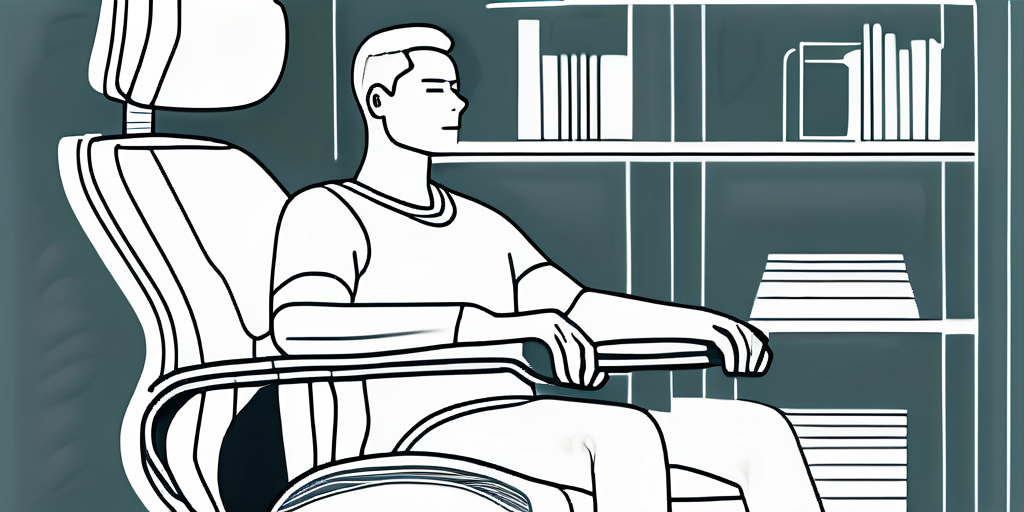
Maintaining good posture is essential for overall health and well-being. However, many people struggle to maintain proper alignment due to the prolonged hours spent sitting or hunching over electronic devices. This can lead to many problems, including back pain, neck discomfort, and reduced flexibility. Fortunately, chiropractic care offers a natural and effective solution to improve posture and alleviate these issues.
The Importance of Good Posture
Before we delve into the benefits of chiropractic care for posture improvement, let’s first understand why good posture is so important. Proper spine alignment ensures that the body’s weight is evenly distributed, reducing the strain on muscles and joints. It also allows for optimal organ function, as the nerves that control these vital systems can function without interference. Good posture promotes physical health and contributes to a confident and impressive appearance.
Furthermore, maintaining good posture is crucial in preventing long-term musculoskeletal issues. Keeping the spine in alignment can reduce the risk of developing conditions such as chronic back pain, herniated discs, and even arthritis. Good posture also helps prevent injuries during physical activities, as the body is better equipped to handle stress and movement when adequately aligned.
Effects of Poor Posture on Your Health
Poor posture can have far-reaching effects on your overall health. When the spine is misaligned, it can compress nerves, leading to pain and discomfort. Additionally, it can decrease lung capacity, affect breathing, and cause fatigue. Furthermore, bad posture can contribute to digestive problems, as organs become compressed and don’t function optimally.
Moreover, slouching or rounded shoulders can impact your mood and mental well-being. Studies have shown a correlation between poor posture, decreased self-confidence, and increased feelings of depression or anxiety. Improving your posture can boost your mental state and overall happiness.
Addressing poor posture early on is essential to preventing these negative health effects from worsening. Simple adjustments to your sitting and standing habits and regular exercise to strengthen core muscles can significantly affect your posture and overall well-being. Remember, good posture is not just about appearances; it’s a key component of a healthy lifestyle.
How Chiropractic Care Corrects Posture
Chiropractors are experts in spinal health and alignment. Through targeted adjustments, they can correct misalignments and restore proper posture. During a chiropractic session, the chiropractor will carefully examine your spine and identify any areas of misalignment.
Using gentle yet precise techniques, the chiropractor will apply controlled force to realign the spine. This alleviates pain and helps your body regain its natural balance and alignment. Regular chiropractic adjustments can effectively correct posture deviations and restore proper spinal curvature.
Moreover, chiropractic care goes beyond just addressing the symptoms; it focuses on treating the root cause of postural issues. By correcting spinal misalignments, chiropractors help improve nerve function, enhancing communication between the brain and the rest of the body. This improved communication can lead to better posture, increased mobility, and overall well-being.
Chiropractic Techniques for Posture Improvement
Several chiropractic techniques can improve posture. One commonly used technique is spinal manipulation, which involves applying sudden, controlled force to a joint to restore its functionality and alignment. This technique can help realign the spine and relieve tension in the surrounding muscles.
In addition to spinal adjustments, chiropractors often prescribe exercises and stretches to strengthen the core muscles and promote proper posture. These exercises can help you maintain proper alignment and support your spine’s natural curvature. Incorporating these exercises into your daily routine can reinforce chiropractic care’s benefits and improve your overall posture.
Furthermore, chiropractors may utilize tools such as traction devices or posture correctors to complement the effects of adjustments and exercises. These tools can provide additional support to help retrain muscles and ligaments, encouraging them to maintain the correct alignment. By combining various techniques and tools, chiropractors create customized treatment plans to address each patient’s unique postural needs and goals.
Benefits of Improved Posture
Improving your posture through chiropractic care offers a wide range of benefits. Firstly, it can alleviate chronic pain. By addressing the underlying cause of discomfort, chiropractic adjustments can provide long-lasting relief from back, neck, and shoulder pain.
In addition to pain relief, chiropractic care can enhance mobility. When your spine is properly aligned, you’ll notice increased flexibility and ease of movement. Daily activities such as bending, lifting, and reaching become effortless, reducing the risk of further injury.
Improved posture can have a positive impact on mental and emotional well-being, in addition to physical benefits. By standing tall and confident, you project an air of self-assurance and assertiveness, which can boost self-esteem and make you feel more confident in social and professional settings.
But did you know that improved posture can also significantly impact your digestive system? When your spine is aligned correctly, it allows for optimal nerve function, including those that control digestion. This means your body can efficiently break down food, absorb nutrients, and eliminate waste. So, not only will you feel more comfortable physically, but your digestive system will also thank you for maintaining good posture.
Furthermore, proper posture can improve your lung function. When you slouch or hunch over, you compress your lungs, limiting their capacity to expand fully. On the other hand, when you have good posture, your lungs have more space to expand, allowing for better oxygen intake and carbon dioxide release. This can lead to increased energy levels and improved overall respiratory health.
Tips for Maintaining Good Posture with Chiropractic Care
While chiropractic care is highly effective in improving posture, it’s important to play an active role in maintaining good alignment. Here are some simple tips to keep in mind:
Take frequent breaks from sitting or standing for long periods.
Invest in an ergonomic chair or backrest to support your spine.
Practice exercises and stretches recommended by your chiropractor.
Use pillows or lumbar rolls to support your lower back while sitting or driving.
Focus on maintaining proper posture during everyday activities.
By incorporating these tips into your daily routine and continuing regular chiropractic care, you can enjoy the long-term benefits of improved posture and overall well-being. Remember, good posture is not just about looking confident; it’s about taking care of your body and optimizing its functions.
Applied Kinesiology (AK) is a biomechanical and neuromuscular assessment framework I’ve trained in for the better part of a decade. Used well, it’s one of the more useful tools I have for figuring out what’s actually going on with an athlete’s body — particularly when conventional assessment hasn’t given clear answers.
The short version: AK uses manual muscle testing to detect inhibition and facilitation patterns — muscles that aren’t firing properly because the nervous system has dialed them down, often in response to old injuries, joint dysfunction, or compensation patterns that have been running for years. Once those patterns are identified, treatment can be targeted at what’s actually driving them rather than at where the pain happens to be felt.
This post explains how I use AK in practice, the underlying neuromuscular concepts the work is built on, and where the evidence sits.
A note before we get into it: this is general information about how I practice, not specific medical advice. Whether AK assessment is useful for your particular situation depends on what you’re dealing with — and that’s a conversation in person, not on the internet.
What “muscle inhibition” actually is
The core concept under AK is that muscles can be neurologically inhibited — not weak from lack of training, not torn or injured, but turned down by the nervous system. The muscle is structurally fine; it’s just not getting the signal to fire properly.
This isn’t a fringe idea. It’s a well-established concept in sports medicine and physiotherapy — particularly under the term arthrogenic muscle inhibition (AMI). The classic example is what happens to the quadriceps after an ACL injury: the muscle is intact, but neural signals from the swollen, painful joint suppress activation. Athletes can lose 30-50% of their quad strength even when the muscle itself is uninjured.[1]
A 2018 scoping review in the British Journal of Sports Medicine identified arthrogenic muscle inhibition as a critical factor limiting recovery after ACL reconstruction, and reviewed evidence-based interventions for addressing it.[2] This is mainstream sports medicine, published in one of the most-cited sports medicine journals in the world.
The same neurological mechanisms — joint inflammation, faulty proprioceptive input, altered reflex patterns, central nervous system adaptation — produce inhibition in less dramatic situations all the time. Old ankle sprains affect glute activation. Chronic low back pain alters core firing patterns. A history of shoulder impingement can dial down rotator cuff recruitment for years after the original injury healed.
None of that shows up on an MRI. None of it shows up on a strength test where you ask someone to push with maximum effort against a hand dynamometer. But it shows up on assessment when you know what you’re looking for — and it directly affects how an athlete moves, performs, and gets injured.
How I use AK in practice
What an AK assessment session actually looks like at the clinic:
1. History and movement screen. Same as any assessment — current complaints, training history, prior injuries, what you’re trying to accomplish.
2. Muscle testing as part of the physical exam. I assess the strength and recruitment quality of muscles relevant to your complaint and your sport. The test is: can this muscle hold against a controlled force in a specific position, with the right timing and quality of activation? I’m not looking for raw strength — I’m looking for inhibition, asymmetry, and recruitment patterns that don’t match what your body should be capable of.
3. Identifying drivers. When I find a muscle that’s inhibited, the next question is “why?” Sometimes the answer is local — a joint restriction, a fascial adhesion, a trigger point in a synergist or antagonist muscle. Sometimes the answer is upstream or downstream — a hip problem creating compensatory patterns at the knee, a thoracic restriction altering shoulder mechanics. AK gives me a real-time framework for testing these hypotheses rather than guessing.
4. Treatment with retest. If I think a joint restriction is driving an inhibition pattern, I’ll address it and retest. If the muscle now activates properly, that’s confirmation. If it doesn’t, I look elsewhere. The test-retest cycle is what separates AK from “I think I know what’s wrong, let me try this and hope for the best.”
5. Homework matched to findings. The exercises and self-care I recommend are based on what the assessment actually showed, not on a generic protocol for your complaint.
What the literature supports — and where it’s mixed
Worth being honest about the evidence picture:
The mechanism of muscle inhibition is well-established. AMI is a real, measurable, neurologically-mediated phenomenon. The literature is clear that joint pathology, inflammation, and altered afferent input can produce profound inhibition of surrounding musculature, and that interventions aimed at restoring normal joint function and afferent input can help reverse it.[1][2]
Spinal manipulation produces measurable changes in muscle activation. A 2018 RCT in elite athletes showed significant increases in maximum voluntary contraction and corticospinal excitability after a single manipulation, persisting 30-60 minutes.[3] A separate study found 44-54% increases in motor evoked potentials following manipulation, suggesting changes happen at the level of cortical drive — exactly the kind of effect AK practitioners describe clinically.[4] When AK assessment leads me to deliver an adjustment and I see immediate facilitation of a previously inhibited muscle, the underlying neuromechanism is supported.
Manual muscle testing reliability is the honest weak link. A 2020 study examining force profiles of testers performing manual muscle tests found significant differences between experienced and beginner testers, and even experienced testers showed inter-tester variability and partial intra-tester reproducibility issues.[5] Older research on traditional manual muscle testing in clinical populations also showed reproducibility problems compared to instrumented testing.[6]
The honest interpretation: MMT is a tester-skill-dependent tool. Done by someone with significant training and standardization, it produces consistent results. Done by someone untrained or inconsistent in their force application, it doesn’t.
This is part of why I’ve invested 400+ hours of additional training beyond the initial ICAK certification — including multiple 100-hour AK course series, clinical pearls work with the late Dr. Wally Schmitt, and instruction with Dr. David Leaf at ICAK international meetings. The certification covers the basics; proficiency comes from deliberate practice, study with senior practitioners, and consistent recalibration. It’s also why MMT is best used as one component of a comprehensive assessment, not the sole basis for diagnostic conclusions.
Where AK earns its keep
The honest version of where this approach pays off:
Identifying neuromuscular inhibition patterns that don’t show up on standard strength testing or imaging
Real-time test-retest assessment to confirm whether an intervention actually worked
Untangling complex compensation patterns where pain in one location is being driven by dysfunction elsewhere
Building an individualized treatment and homework plan based on what your specific body needs, rather than a protocol
Performance work with athletes whose strength on paper doesn’t match how they actually move and generate force in their sport
For anything outside the musculoskeletal scope — bloodwork, imaging, allergy testing, nutritional analysis, or specialist medical care — the right answer is referral to the appropriate professional. I work within my scope.
Why this approach matters for athletes
Most assessment systems for athletes rely on either subjective complaint (“my hamstring feels tight”) or maximum-effort strength testing (“can you push as hard as possible against this”). Both have value, but both miss the layer where most performance-limiting dysfunction actually lives.
The athletes I see most often aren’t catastrophically injured. They’re partially inhibited. The hamstring that’s “tight” is often actually under-recruited. The shoulder that “feels off” has a serratus anterior that’s not firing properly. The knee that “doesn’t track right” has a glute that’s not doing its job.
You can train through these patterns for a long time before they become an injury — but they cost you in performance, and they raise your injury risk over time. AK gives me a way to find them earlier and address them more precisely.
Common questions
What does an AK assessment add to my visit? It adds a structured, testable framework for figuring out what your specific body needs on the day you come in. Muscle testing gives me real-time information that informs which interventions to use, in what order, and whether they actually worked before you walk out the door. The treatment itself — adjustments, soft tissue work, exercise prescription — is similar to what you’d see in any sport-focused chiropractic visit; the assessment is what makes the plan more individualized.
Do I need to “believe in” AK for it to work? No. AK isn’t a faith-based system in how I practice it. The muscle either tests strong or it doesn’t. The intervention either changes the test or it doesn’t. You can be skeptical of the framework and still benefit from it, the same way you can be skeptical of “core stability training” and still benefit from learning to brace properly.
Is this covered by insurance? The chiropractic care itself is. There’s no separate “AK fee” — assessment is part of how I work, not an add-on service.
How long does an AK-informed visit take? About the same as a regular chiropractic appointment. Initial assessments run longer (45-60 minutes) because of the comprehensive movement and muscle screen. Follow-ups are shorter (15-30 minutes) since we’re working from a known baseline.
Do you do AK on non-athletes? Yes. The framework is just as useful for desk workers with chronic pain, post-surgical patients managing residual deficits, or anyone whose body has compensation patterns from old injuries. It’s not athlete-exclusive — that’s just where the gains are most visible.
What does an AK assessment actually feel like? Mostly like a thorough orthopedic exam. I’ll have you in different positions — supine, prone, standing, sometimes mid-movement — and apply controlled force to various muscles while you resist. It’s not painful, it’s not strenuous, and you don’t need to be at maximum effort. The goal is to feel how your body responds, not how hard you can push.
If you want to try it
I’m an ICAK-certified Applied Kinesiology practitioner with 400+ hours of additional AK training beyond the certification, including study with the late Drs. Wally Schmitt and David Leaf. I see athletes, tactical professionals, and active people across both Nobility Chiropractic & Wellness in Smiths Falls and Nobility Performance in Stittsville.
If you’re an athlete dealing with persistent issues that haven’t responded to conventional approaches, or you want a more individualized assessment than a generic protocol-based visit, this is the work.
Pietrosimone B, Lepley AS, Kuenze C, et al. Arthrogenic Muscle Inhibition Following Anterior Cruciate Ligament Injury. J Sport Rehabil. 2022;31(6):694-706. doi.org/10.1123/jsr.2021-0128
Sonnery-Cottet B, Saithna A, Quelard B, et al. Arthrogenic muscle inhibition after ACL reconstruction: a scoping review of the efficacy of interventions. Br J Sports Med. 2019;53(5):289-298. doi.org/10.1136/bjsports-2017-098401
Christiansen TL, Niazi IK, Holt K, et al. The effects of a single session of spinal manipulation on strength and cortical drive in athletes. Eur J Appl Physiol. 2018;118(4):737-749. doi.org/10.1007/s00421-018-3799-x
Haavik H, Niazi IK, Jochumsen M, et al. Impact of Spinal Manipulation on Cortical Drive to Upper and Lower Limb Muscles. Brain Sci. 2017;7(1):2. doi.org/10.3390/brainsci7010002
Bittmann FN, Dech S, Aehle M, Schaefer LV. Manual Muscle Testing—Force Profiles and Their Reproducibility. Diagnostics (Basel). 2020;10(12):996. doi.org/10.3390/diagnostics10120996
Escolar DM, Henricson EK, Mayhew J, et al. Clinical evaluator reliability for quantitative and manual muscle testing measures of strength in children. Muscle Nerve. 2001;24(6):787-93. doi.org/10.1002/mus.1070
As residents of Smiths Falls, Ontario, it’s crucial to prioritize our health and well-being. One area that plays a significant role in our overall wellness is our spinal health. That’s where chiropractors come in, providing expert care for our musculoskeletal system. However, with numerous chiropractors in Smiths Falls, how do we find the best one? In this article, we will explore the key factors to consider when searching for the best chiropractor near Smiths Falls, Ontario.
Why Choosing the Right Chiropractor Matters
Choosing the right chiropractor is essential because they play a vital role in our health and quality of life. Chiropractic care can help relieve pain, improve mobility, and promote overall wellness. By finding a highly skilled and trustworthy chiropractor, you can rest assured that you receive the best care possible.
Moreover, selecting the right chiropractor involves more than just a quick online search. It requires careful consideration of various factors to ensure that you entrust your health to a qualified professional who can meet your specific needs and preferences.
The Importance of Experience
When it comes to your health, experience matters. Look for a chiropractor who has been practicing for several years and has a proven track record of successfully treating patients. Their experience will ensure they have encountered various conditions and possess the knowledge and skills to provide effective treatment.
Additionally, an experienced chiropractor is likely to have developed a keen understanding of the nuances of chiropractic care, allowing them to tailor their approach to suit each patient’s unique requirements. This personalized treatment can improve outcomes and make chiropractic care a more comfortable experience for individuals seeking it.
Focus Areas and Services Offered
Chiropractors may focus their practice in specific areas, such as sports injuries, prenatal care, or pediatric chiropractic. Consider your specific needs and look for a chiropractor who offers the right services for you. Their focus will ensure that they have in-depth knowledge and expertise in the particular area of care that you require.
Furthermore, some chiropractors offer various services beyond traditional spinal adjustments can provide comprehensive care that addresses various aspects of your health and well-being. From dry needling or acupuncture, to therapeutic exercises to nutritional counseling, a chiropractor who offers diverse services can support your journey to optimal health from multiple angles.
Essential Qualities to Look for in a Chiropractor
When seeking the best chiropractor in Smiths Falls, Ontario, it’s crucial to consider certain qualities that mean they are tailored to your needs. These qualities will ensure a positive and practical chiropractic experience.
Compassion: A great chiropractor is compassionate and genuinely cares about their patients’ well-being. They will listen to your concerns, provide personalized care, and make you feel comfortable throughout treatment.
Excellent Communication Skills: Effective communication is crucial in any healthcare profession. A skilled chiropractor will explain your condition and treatment options and answer any questions with clarity and patience.
Continuing Education: Chiropractic techniques and treatments are constantly evolving. A chiropractor who values continuing education demonstrates their commitment to staying updated on the latest advancements and providing the best care to their patients.
Moreover, a chiropractor’s office ambiance can significantly impact your overall experience. A welcoming and soothing environment can help you relax and feel at ease before your treatment. Look for a clean, well-organized office with modern amenities to enhance your comfort.
Additionally, the location and convenience of the chiropractor’s office are essential factors to consider. A centrally located office with ample parking and easy accessibility can make your visits stress-free and convenient. Consider the distance from your home or workplace to ensure that attending regular appointments is convenient.
Researching Chiropractors in Smiths Falls: Tips and Resources
Now that we understand the importance of selecting the right chiropractor and the key qualities to look for, it’s time to dive into the research process. Here are some tips and resources to help you find the best chiropractor in Smiths Falls, Ontario.
Ask for Recommendations: Ask your friends, family, and colleagues if they have any recommendations for chiropractors in the area. Personal testimonials can give you valuable insights into a chiropractor’s quality of care.
Online Directories: Utilize online directories that specialize in healthcare providers. These directories allow you to search for chiropractors in Smiths Falls and often provide reviews, ratings, and additional information to aid in your decision-making process.
Check with Your Insurance Provider: Another valuable resource in your search for a chiropractor is your insurance provider. Contact them to see if the chiropractors you are considering are in-network, as this can help you save on out-of-pocket costs.
Visit Chiropractic Association Websites: Explore websites of chiropractic associations, such as the Ontario Chiropractic Association, for a list of licensed chiropractors in Smiths Falls. These associations often have strict guidelines for membership, ensuring you find a qualified professional.
Reading Reviews and Testimonials
Reading reviews and testimonials is an excellent way to gauge the reputation and quality of a chiropractor. Look for websites or platforms that provide verified patient reviews to ensure reliability. Pay attention to the overall consensus and specific details mentioned in the reviews.
While it’s essential to consider reviews, remember that everyone’s experience is unique. Consider positive and negative reviews, but consider the overall trend and trust your instincts.
Furthermore, looking for recurring themes or patterns can be helpful when reading reviews. If multiple reviews mention a particular positive aspect or concern, it may indicate a consistent trait of the chiropractor’s practice. On the other hand, isolated reviews that stand out may be outliers and should be approached cautiously.
Also, don’t hesitate to contact the chiropractor’s office directly if you have questions or want more information. Speaking with the staff or even scheduling a consultation can give you a firsthand sense of the clinic’s atmosphere and approach to patient care. Remember, your comfort and confidence in your healthcare provider are paramount.
Questions to Ask During Your Initial Consultation
Your initial consultation with a chiropractor is an excellent opportunity to assess whether they fit you. Prepare a list of questions to ask during this meeting to gather all the information you need to make an informed decision.
– What techniques do you use for treatment?- How long will it take to see results?- What is the estimated duration of treatment?- Are there any potential risks or side effects?- Do you provide personalized treatment plans?- What payment options are available?
Asking these questions will help you better understand the chiropractor’s approach, treatment timeline, and any potential concerns.
Additionally, it’s important to inquire about the chiropractor’s experience and qualifications. Ask about their educational background, certifications, and any specialized training they have undergone. A chiropractor with a wealth of experience and a strong educational foundation is more likely to provide effective and safe treatment.
During the consultation, take note of the chiropractor’s communication style and demeanor. A good chiropractor should listen attentively to your concerns, explain treatment options clearly, and make you comfortable. Building a strong rapport with your chiropractor is essential for a successful treatment outcome.
Understanding Different Chiropractic Techniques and Services
Chiropractors utilize various techniques and services to provide comprehensive care. Understanding these techniques can help determine which chiropractor best fits your needs. Here are some common chiropractic techniques and services:
Spinal Adjustments: The hallmark of chiropractic care, spinal adjustments involve applying gentle, controlled force to specific spine areas to improve alignment and alleviate pain.
Soft Tissue Therapy: Many chiropractors incorporate soft tissue therapies (massage) into their treatment plans to relax muscles, increase circulation, and enhance the effectiveness of adjustments.
Physical Therapy Exercises: Chiropractors may provide specific exercises and stretches to improve strength, flexibility, and overall function.
Acupuncture: Some chiropractors offer acupuncture as a complementary treatment for pain relief and overall well-being.
Making an Informed Decision: Final Tips
Now that you’ve gathered valuable information about chiropractors in Smiths Falls, Ontario, it’s time to decide. To ensure you are selecting the best chiropractor for your needs, keep the following tips in mind:
Trust Your Gut: While research and recommendations are essential, it’s vital to trust your instincts. Listen to your intuition and choose a chiropractor with whom you feel comfortable and confident.
Schedule a Consultation: Most chiropractors offer initial consultations. Please take advantage of this opportunity to meet the chiropractor in person, ask additional questions, and get a sense of their practice.
Consider Accessibility: Opt for a chiropractor whose office is near your home or workplace. This will make it easier to attend regular appointments and ensure consistency in your treatment plan.
By following these guidelines and evaluating your options, you will find the best chiropractor in Smiths Falls, Ontario, who will guide you toward enhanced spinal health and overall well-being.
Moreover, when scheduling your consultation, pay attention to the atmosphere of the chiropractor’s office. A welcoming and calming environment can significantly improve your overall experience and comfort during treatment sessions. Look for a clinic that prioritizes cleanliness and organization, as these are indicators of a professional and well-managed practice.
Additionally, don’t hesitate to inquire about the chiropractor’s specific areas of expertise and experience. Some chiropractors specialize in sports injuries, while others focus on prenatal care or pediatric chiropractic. Understanding their background and specialties can help determine if they fit your unique needs and health goals.
Visit Nobility Chiropractic in Smiths Falls, Ontario
Look no further if you’re looking for a chiropractor near Smiths Falls, Ontario. Dr. Bryan and the team at Nobility Chiropractic are here to help you reach your maximum potential. Contact us today.
Fibromyalgia is a chronic condition characterized by widespread pain, fatigue, and tenderness in the muscles, joints, and soft tissues. Living with fibromyalgia can be challenging, as it often affects a person’s ability to perform daily activities and decreases their overall quality of life. While there is no known cure for fibromyalgia, chiropractic care offers a holistic approach to managing its symptoms and improving a patient’s overall well-being.
Understanding Fibromyalgia and Its Symptoms
Fibromyalgia is a complex condition that affects millions of people worldwide, and its exact cause is unknown. However, researchers believe various factors, such as genetics, environmental triggers, and certain infections, can contribute to its development. The hallmark symptom of fibromyalgia is widespread pain that is often accompanied by other symptoms, including fatigue, sleep disturbances, cognitive difficulties, and mood disturbances.
Furthermore, fibromyalgia symptoms may vary from person to person and can be influenced by numerous factors, such as stress, physical activity, and weather changes. To effectively manage fibromyalgia, it is crucial to understand its symptoms and their impact on an individual’s quality of life.
Individuals with fibromyalgia often experience a phenomenon called “fibro fog,” which refers to cognitive difficulties such as memory problems, difficulty concentrating, and mental confusion. This can significantly impact daily functioning and productivity, making simple tasks challenging for those affected. Additionally, sleep disturbances are common among individuals with fibromyalgia, with many reporting issues such as insomnia, frequent awakenings during the night, and non-restorative sleep.
Healthcare providers need to conduct a thorough evaluation when diagnosing fibromyalgia, as the condition can mimic other illnesses due to its wide array of symptoms. In addition to the physical symptoms, individuals with fibromyalgia often experience emotional challenges, such as anxiety and depression, which can further exacerbate their overall well-being. By taking a comprehensive approach to treatment that addresses both the physical and emotional aspects of fibromyalgia, healthcare professionals can help improve the quality of life for those living with this chronic condition.
How Chiropractic Care Can Help with Fibromyalgia
The Benefits of Chiropractic Adjustments
Chiropractic care is a holistic approach that focuses on restoring the proper function of the nervous system through spinal adjustments and manipulations. For individuals suffering from fibromyalgia, chiropractors play a crucial role in alleviating pain, reducing inflammation, and improving joint mobility. By skillfully adjusting the spine, chiropractors can effectively relieve pressure on the nerves, allowing the body to tap into its natural healing abilities.
Furthermore, chiropractic care goes beyond symptom management; it delves into the root cause of the issue. By taking a comprehensive approach to fibromyalgia management, chiropractors consider not only the physical aspects but also the emotional and social well-being of the patient, promoting overall wellness and long-term health.
Chiropractors also offer a range of additional therapies and techniques to complement spinal adjustments in supporting fibromyalgia management. These may include massage therapy, stretching exercises, lifestyle modifications, and nutritional counseling, all tailored to each individual’s unique needs.
Additional Therapies and Techniques
Massage therapy is a valuable tool in the chiropractic arsenal for individuals with fibromyalgia. It can help relax tense muscles, improve circulation, and reduce pain, providing much-needed relief and comfort. By incorporating specific stretching exercises into the treatment plan, chiropractors can enhance flexibility and range of motion, reducing the risk of further injury and improving overall physical function.
Moreover, lifestyle modifications recommended by chiropractors can profoundly impact managing fibromyalgia symptoms. Techniques for stress management, along with guidance on improving sleep hygiene, can significantly enhance the quality of life for individuals with fibromyalgia. Nutritional counseling may also be provided to ensure that patients are fueling their bodies with the right nutrients to support healing and overall well-being.
Chiropractic Techniques for Fibromyalgia Management
Chiropractors use various techniques to manage fibromyalgia symptoms effectively. They may employ manual adjustments, instrument-assisted adjustments, or gentle techniques specifically designed for individuals with chronic pain. These techniques aim to restore proper joint alignment, relieve muscle tension, and reduce nerve irritations contributing to fibromyalgia pain.
Additionally, chiropractors may use ultrasound therapy, electrical stimulation, or cold laser therapy to reduce inflammation, promote tissue healing, and relieve pain. Non-invasive, drug-free techniques offer a safe and effective alternative for fibromyalgia patients looking to minimize medication use.
Manual adjustments, also known as spinal manipulations, involve the chiropractor applying controlled force to a joint to improve the range of motion and alleviate pain. Instrument-assisted adjustments utilize specialized tools to deliver targeted impulses to specific areas, providing gentle yet effective treatment for fibromyalgia patients.
Gentle techniques, such as the activator or flexion-distraction technique, are tailored to suit the individual’s comfort level and pain tolerance. These methods focus on gentle stretching and mobilization of the affected areas, promoting circulation and reducing stiffness commonly associated with fibromyalgia.
Benefits of Chiropractic Care for Fibromyalgia Patients
Chiropractic care provides a multitude of benefits for individuals living with fibromyalgia. One of the primary advantages is pain relief. By addressing the underlying causes of pain and inflammation, chiropractic adjustments can provide long-lasting pain relief without relying on medication.
Chiropractic care also improves joint mobility, flexibility, and posture. Chiropractors help realign the spine and reduce muscle tension to improve overall function. In addition to physical improvements, chiropractic care enhances mental well-being by reducing stress, improving sleep quality, and promoting relaxation.
Furthermore, chiropractors are an essential source of support and guidance for fibromyalgia patients. They create personalized treatment plans, educate patients about self-care strategies, and encourage them to participate actively in their healing process. This patient-centered approach empowers individuals to take control of their health and improve their overall well-being.
Another significant benefit of chiropractic care for fibromyalgia patients is the focus on holistic healing. Chiropractors not only treat the symptoms of fibromyalgia but also address the root causes of the condition.
Chiropractors aim to improve overall health and well-being through comprehensive care, leading to long-term benefits beyond pain relief.
Moreover, chiropractic care for fibromyalgia patients often involves a combination of manual adjustments, therapeutic exercises, and lifestyle modifications. This integrated approach ensures patients receive personalized care addressing their unique needs and challenges. By incorporating various treatment modalities, chiropractors can tailor their approach to each individual, maximizing the effectiveness of the treatment plan.
FAQs About Chiropractic Care for Fibromyalgia
1. Does chiropractic care cure fibromyalgia?
No, chiropractic care does not cure fibromyalgia. However, it can significantly reduce pain, improve mobility, and enhance the overall quality of life for fibromyalgia patients.
2. How many chiropractic sessions are recommended for fibromyalgia management?
The number of chiropractic sessions needed will vary depending on the individual and the severity of their condition. It is best to consult a chiropractor who can create a personalized treatment plan based on the patient’s needs.
3. Are chiropractic adjustments painful?
Chiropractic adjustments are typically not painful. Many patients report feeling immediate relief after an adjustment. However, it is expected to experience mild soreness or discomfort in the treated area, which typically subsides within a few days.
4. Can other healthcare professionals collaborate with chiropractors in fibromyalgia management?
Yes, collaboration among healthcare professionals plays a vital role in comprehensive fibromyalgia management. Chiropractors often work alongside other specialists, such as physical therapists, nutritionists, and psychologists, to provide a holistic approach to care.
Additional Fibromyalgia Treatments
Fibromyalgia is a complex condition that requires a multi-faceted approach to management. Chiropractic care offers a safe, drug-free, and effective way to alleviate pain, improve mobility, and enhance overall well-being for individuals living with fibromyalgia. By combining spinal adjustments, additional therapies and techniques, and a patient-centered approach, chiropractors can provide comprehensive care that empowers individuals to live their lives to the fullest despite the challenges of fibromyalgia.
In addition to spinal adjustments, chiropractors may incorporate various additional therapies and techniques to support fibromyalgia management further. These may include massage therapy, acupuncture, and exercise prescription. Massage therapy can help relax muscles, reduce tension, and improve circulation, relieving fibromyalgia symptoms.
Acupuncture, a traditional Chinese medicine practice, involves the insertion of thin needles into specific points on the body to promote pain relief and overall well-being. Exercise prescription tailored to the individual’s capabilities and limitations can help improve strength, flexibility, and endurance, contributing to better overall function and reduced pain.
Chiropractors take a patient-centered approach to fibromyalgia management, recognizing that each individual’s experience with the condition is unique. They work closely with patients to understand their specific symptoms, challenges, and goals and develop a personalized treatment plan. This approach ensures that the care is tailored to the individual’s needs, maximizing the chances of achieving positive outcomes.
If you’re looking for a chiropractor to help you manage fibromyalgia, contact Nobility Chiropractic in Smiths Falls today!
Maintaining good posture is essential for overall health and well-being. However, with our increasingly sedentary lifestyles and the prolonged use of technology, many of us find ourselves slouching and hunching over throughout the day. The good news is that you can practice simple and effective techniques anywhere to correct and improve your posture. This article will explore various posture correction techniques you can easily incorporate into your daily routine.
Recognizing the Importance of Good Posture for Overall Health
Before diving into posture correction techniques, let’s understand why good posture is essential.
Proper spine alignment helps maintain the back’s natural curvature and ensures that weight is evenly distributed throughout the body. This reduces the strain on muscles, ligaments, and joints and alleviates common issues such as back pain, neck pain, and headaches.
Additionally, maintaining good posture allows for optimal lung capacity, digestion, and circulation. It also projects confidence and improves body language, enhancing your overall appearance. With all these benefits in mind, it’s clear that good posture is crucial for both physical health and self-confidence.
Moreover, good posture can positively impact your mood and mental well-being. Studies have shown that sitting or standing up straight can boost energy levels and decrease feelings of stress and anxiety. Maintaining proper posture makes you feel better physically and experience mental clarity, which can improve productivity and focus.
Furthermore, practicing good posture can have long-term effects on your skeletal structure. By consistently sitting and standing with correct alignment, you can prevent the development of spinal deformities and reduce the risk of conditions like osteoarthritis and osteoporosis as you age. Leveraging posture correction techniques now can lead to a healthier and more resilient body in the future.
The Impact of Poor Posture on Your Body
Poor posture, on the other hand, can have detrimental effects on your body. When you slouch or exhibit rounded shoulders, your spine is no longer aligned correctly. This can lead to muscle imbalances, decreased range of motion, and even compressed nerves. Over time, this can result in chronic pain and increased risk of injury.
Moreover, poor posture can negatively affect your internal organs. Slumping forward reduces the space in your chest cavity, limiting lung capacity and hindering oxygen flow. This can result in shallow breathing, fatigue, and decreased focus. It can also affect digestion and bowel movements, leading to discomfort and potentially more serious gastrointestinal issues.
Furthermore, the impact of poor posture extends beyond physical health. Studies have shown that slouching or hunching over can influence mood and mental well-being. When you maintain a collapsed posture, your brain can send signals that you are feeling defeated or low in energy, which can contribute to feelings of depression or anxiety.
Additionally, poor posture can affect how others perceive you. Research indicates that individuals with upright posture are often viewed as more confident, competent, and attractive than those with a slumped posture. Improving your posture enhances your physical health and projects a more positive image to those around you.
Effective Posture Posture Correction Techniques To Try Out
Now that we understand the importance of good posture, let’s explore some simple exercises that can help correct and improve it. The key is consistency and incorporating these exercises into your daily routine.
Good posture is not just about looking confident and poised; it also plays a crucial role in maintaining overall health and well-being. Regularly practicing posture exercises can prevent muscle imbalances, reduce the risk of back pain, and even boost mood and energy levels.
1. Shoulder Blade Squeeze
Start by sitting or standing up tall. Gently squeeze your shoulder blades together as if trying to hold a pencil between them. Hold for 5-10 seconds, then release and repeat ten times. This exercise helps strengthen the muscles between your shoulder blades, promoting better posture.
Additionally, incorporating shoulder blade squeezes into your routine can improve your breathing and reduce tension in your neck and shoulders. This exercise is especially beneficial for individuals who spend long hours sitting at a desk or working on a computer.
2. Chin Tucks
While sitting or standing up straight, gently retract your chin, returning it to your neck. Hold for a few seconds, and then release. Repeat this exercise 10 times. Chin tucks help correct forward head posture and strengthen the front of your neck muscles.
Practicing chin tucks regularly can also alleviate strain on your jaw and neck muscles, which can be particularly helpful for individuals who experience tension headaches or temporomandibular joint (TMJ) dysfunction. Incorporating these simple exercises into your daily routine can gradually improve your posture and overall physical well-being.
3. Posture Correction Apps
Various smartphone apps can track your posture throughout the day and send reminders to sit or stand up straight. These apps use the device’s built-in sensors or wearable technology to detect your position and provide real-time feedback.
Furthermore, some posture correction apps offer personalized exercise routines and stretching techniques to strengthen the muscles that support good posture. Incorporating these exercises into your daily routine can improve your posture and prevent future issues related to poor alignment.
4. Ergonomic Equipment
Investing in ergonomic equipment, such as an adjustable desk chair or a standing desk, can help maintain good posture. These solutions are designed to support proper alignment and reduce strain on the body.
In addition to traditional ergonomic furniture, innovative products like balance ball chairs and kneeling chairs promote active sitting, engage core muscles, and improve posture while seated. These alternative seating options provide a fun and effective way to break the habit of slouching and encourage better spinal alignment.
5. Routine Chiropractic Adjustments
A chiropractor can perform manual adjustments to help align your spine and improve posture. They may also advise on lifestyle modifications and exercises that support your overall posture improvement journey.
During a chiropractic adjustment, the chiropractor will apply controlled force to a specific joint in the spine or other body parts. This manipulation aims to restore mobility, reduce inflammation, and promote natural healing. By addressing spinal misalignments, chiropractic adjustments can improve posture and enhance nerve function, leading to better communication between the brain and the rest of the body.
6. Postural Education and Awareness
Chiropractors can educate patients about the importance of proper posture and provide tips on maintaining it in various settings, such as at work or during workouts. They can also teach exercises and stretches designed to address individual postural imbalances.
Postural education is a key component of chiropractic care, empowering patients to participate actively in their spinal health. By understanding how posture affects overall well-being, individuals can make conscious choices to improve their alignment and prevent future issues. Chiropractors may also recommend ergonomic adjustments in the workplace, proper lifting techniques, and strategies for maintaining good posture while sitting, standing, and moving.
Through chiropractic adjustments, postural education, and personalized exercises, individuals can work towards achieving and maintaining optimal posture for long-term health and wellness.
7. Stand Up and Move Regularly
Avoid sitting for prolonged periods by taking breaks to stand up and move around. Set a timer or use a productivity app to remind yourself to stand up and stretch every 30 minutes.
Standing up and moving regularly throughout the day helps prevent stiffness and muscle imbalances and promotes blood circulation and overall energy levels. Consider incorporating short walks or simple stretches into your routine to keep your body active and your posture in check.
8. Strengthen Your Core Muscles
Strong core muscles provide stability to the spine and help maintain good posture. Incorporate exercises such as planks, bridges, and Pilates into your fitness routine to strengthen your core.
In addition to core-strengthening exercises, incorporating yoga or tai chi into your weekly routine can improve your posture by enhancing flexibility, balance, and body awareness. These mind-body practices strengthen your muscles and promote relaxation and stress reduction, further supporting your posture improvement journey.
Overall, practicing good posture is crucial for overall health and well-being.
You can correct and improve your posture by incorporating simple exercises, leveraging technology, seeking professional help, and making lifestyle changes. Remember, it’s never too late to start. Start today and reap the many benefits of proper posture!
If you are looking for a Chiropractor near Smiths Falls, look no further than Nobility Chiropractic!
Chiropractors are healthcare professionals who specialize in the prevention, diagnosis, and treatment of disorders of the musculoskeletal system, particularly the spine. While many people associate chiropractic care with addressing back pain and other musculoskeletal issues, chiropractors also play a crucial role in preventive healthcare.
Understanding the Preventive Approach of Chiropractic Care
Chiropractic care takes a proactive approach to healthcare, emphasizing the maintenance of overall health and wellness rather than simply addressing symptoms as they arise. Chiropractors focus on spinal and nervous system health to optimize the body’s natural healing ability and prevent future health issues.
Unlike reactive healthcare, which tends to address health issues after they have developed, preventive healthcare aims to identify and address potential risk factors and subclinical issues before they become full-blown health problems.
Identifying Risk Factors
Chiropractors are trained to identify risk factors contributing to musculoskeletal problems and other health issues. By conducting thorough assessments and considering factors such as posture, ergonomics, lifestyle choices, and genetic predispositions, chiropractors can help patients understand their specific risk factors and make necessary lifestyle changes to prevent future problems.
Addressing Subclinical Issues Early
In addition to identifying risk factors, chiropractors are skilled in detecting subclinical issues that don’t yet manifest as symptoms but can potentially develop into more significant health problems if left unaddressed.
Chiropractors use diagnostic tools to detect subtle abnormalities in spinal alignment, nerve function, and musculoskeletal health, allowing them to intervene early and prevent further deterioration.
Furthermore, chiropractors are crucial in educating patients about maintaining a healthy lifestyle. They guide exercise routines, nutrition, and stress management techniques to help individuals maintain optimal health and prevent the onset of various conditions.
Additionally, chiropractic care goes beyond the physical aspects of health. Chiropractors use mindfulness and relaxation techniques in their treatment plans, recognizing the mind-body connection. By addressing the physical and mental aspects of health, chiropractic care offers a holistic approach to preventive healthcare.
Chiropractic Techniques for Preventive Spinal Health Maintenance
Chiropractors utilize a variety of techniques to promote spinal health and overall wellness. One of the most well-known chiropractic techniques is spinal manipulation or chiropractic adjustments. Chiropractors align the spine with controlled force to reduce pain and improve mobility. Regular spinal adjustments can help prevent spinal degeneration and reduce the risk of musculoskeletal issues.
In addition to spinal adjustments, chiropractors may recommend exercises, stretches, and lifestyle modifications to improve posture, strengthen supportive muscles, and enhance overall spinal health. They may offer nutritional advice, stress management techniques, and ergonomic recommendations to prevent musculoskeletal problems.
Another crucial aspect of chiropractic care is patient education. Chiropractors educate patients on the impact of spinal health on overall well-being.
They may discuss the benefits of maintaining a healthy spine, such as improved nerve function, better posture, and enhanced mobility. By empowering patients with knowledge about their spinal health, chiropractors aim to inspire proactive self-care and long-term wellness.
Furthermore, some chiropractors specialize in specific techniques such as the Activator Method, which uses a handheld instrument to deliver gentle impulses to targeted spine areas. This technique suits gentle spinal adjustments or specific health conditions.
Chiropractors offer personalized care by tailoring techniques to individual needs and goals.
Collaborating with Other Healthcare Providers for Comprehensive Wellness Programs
Chiropractors understand the importance of collaboration and are often integral members of comprehensive healthcare teams. Chiropractors work with healthcare providers to offer complete care.
To optimize treatment outcomes, collaborative efforts may involve combining chiropractic care with other therapies, such as physical therapy, massage therapy, and acupuncture. This multidisciplinary approach allows for comprehensive care that addresses the root causes of health problems and promotes overall wellness.
In addition to the physical aspects of collaboration, effective communication among healthcare providers is crucial for successful comprehensive wellness programs. This includes sharing patient information, treatment plans, and progress updates in a timely and secure manner. By fostering open communication channels, healthcare teams can ensure patients receive coordinated care tailored to their needs.
Furthermore, integrating technology in collaborative healthcare practices has revolutionized how providers interact and share information.
Electronic health records, telemedicine platforms, and secure messaging systems enable seamless communication and data exchange among team members, regardless of physical location. This digital transformation enhances efficiency and improves patient outcomes by facilitating quick decision-making and streamlined care delivery.
Chiropractors play a vital role in preventive healthcare by proactively approaching musculoskeletal health and overall wellness. Identifying risk factors, addressing subclinical issues early, and utilizing various chiropractic techniques help individuals maintain spinal health, prevent future problems, and optimize overall wellness. In collaboration with other healthcare providers, chiropractors enhance patients’ quality of life.