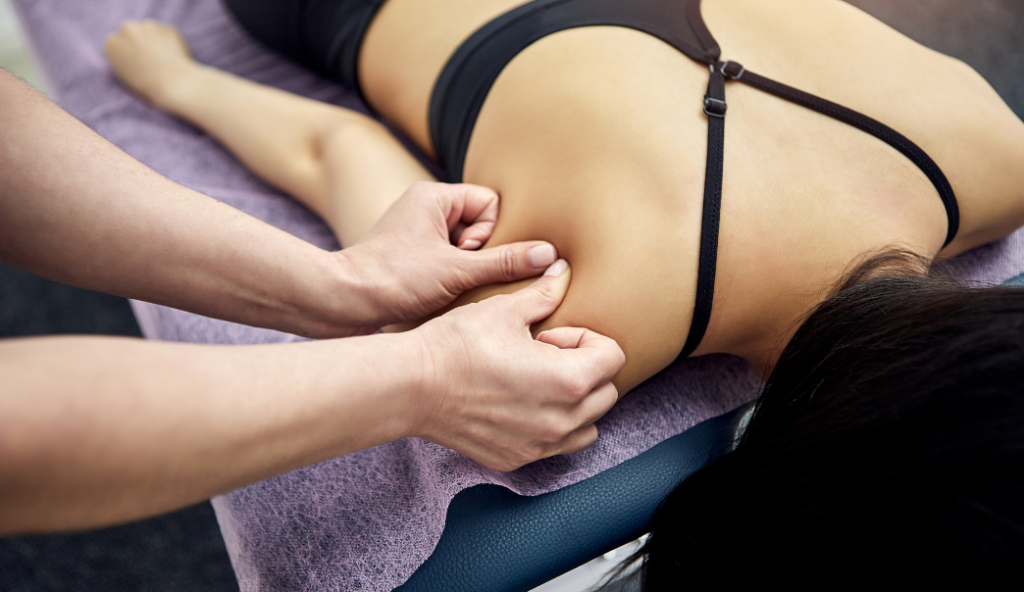
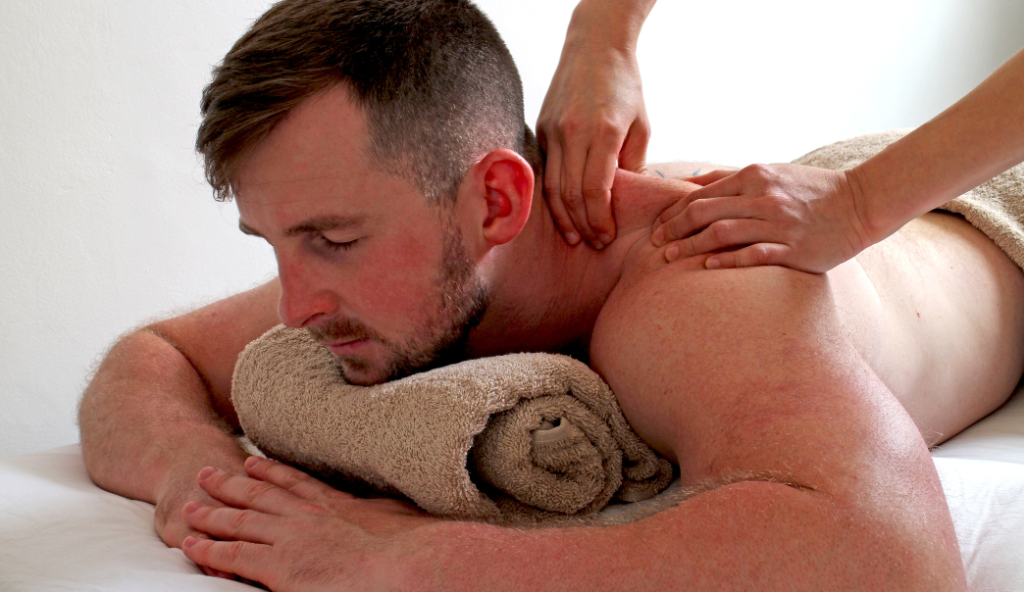
Sports massage is a powerful tool that plays a vital role in helping athletes recover from intense physical activity. Its benefits extend far beyond relaxation and pampering. The science behind sports massage reveals many advantages that aid recovery.
Whether you are a professional athlete or a fitness enthusiast, understanding how sports massage can enhance your recovery is essential for optimizing your performance. Let’s delve into the details and explore the incredible ways sports massage can aid your recovery journey.
The Science of Massage in Enhancing Recovery
Before we delve into the specific benefits of sports massage, let’s take a moment to understand its science. Massage therapy stimulates the body’s natural healing processes by promoting blood circulation and releasing muscle tension. It helps reduce muscle soreness, alleviate inflammation, and improve joint flexibility. Not only does massage physically address any existing issues, but it also positively affects the mind, promoting relaxation and reducing stress and anxiety.
When you receive a massage, the therapist applies pressure to your muscles, tendons, and ligaments. This pressure stimulates the flow of blood, which brings oxygen and nutrients to the tissues, aiding in their repair and regeneration. Additionally, massage helps to flush out metabolic waste products, such as lactic acid, that can build up in the muscles after intense physical activity. By removing these waste products, massage helps to reduce muscle soreness and promote faster recovery.
Massage also plays a crucial role in releasing tension in the muscles. During exercise or physical activity, muscles can become tight and knotted, leading to discomfort and decreased range of motion. Massage techniques, such as kneading and stretching, help to relax the muscles and release these knots, allowing for improved flexibility and mobility.
Furthermore, massage has been shown to impact the mind positively. The physical touch and manipulation of the body during a massage stimulate the release of endorphins, natural painkillers, and mood enhancers. Endorphins release helps reduce stress and anxiety, promoting a sense of overall well-being.
Types of Sports Massages and Their Benefits
There are several sports massages, each targeting specific areas and serving different purposes. One commonly used technique is Swedish massage, which helps increase blood flow, relax muscles, and reduce stress. The long, gliding strokes of Swedish massage promote the release of tension and improve overall circulation, aiding in delivering oxygen and nutrients to the muscles.
Deep tissue massage, on the other hand, focuses on targeting deep layers of muscle tissue, releasing knots and tension. This type of massage is particularly beneficial for athletes or individuals who engage in intense physical activity, as it helps to break down scar tissue and adhesions, improving overall muscle function and flexibility.
Trigger point therapy focuses on specific trigger points, relieving pain and improving range of motion. These trigger points are areas of tightness and tenderness within the muscle fibers. A massage therapist can help release the tension and restore normal muscle function by applying targeted pressure to these points.
Sports massage also includes myofascial release, which targets the fascia, a connective tissue surrounding and supporting the muscles. By applying sustained pressure and stretching techniques, myofascial release helps to release restrictions in the fascia, improving muscle function and reducing pain.
Each massage type offers unique benefits, catering to different recovery needs. Whether you’re looking to improve blood circulation, reduce muscle soreness, release tension, or enhance flexibility, sports massage can be tailored to meet your specific goals and aid in your recovery process.
Improving Blood Circulation and Healing
One of the primary benefits of sports massage is its ability to improve blood circulation. By applying pressure to the muscles, sports massage helps enhance the flow of oxygen and nutrients throughout the body.
When you engage in physical activity, your muscles require a steady supply of oxygen and nutrients to perform optimally. However, the demand for oxygen and nutrients increases significantly during intense exercise. This can sometimes lead to inadequate blood flow, causing fatigue and muscle soreness.
The therapist uses various techniques with sports massage to stimulate blood flow and ensure that oxygen and nutrients reach the muscles efficiently. The massage helps dilate blood vessels by targeting specific muscle groups, improving circulation. As a result, your muscles receive the necessary fuel to function at their best.
In addition to supplying oxygen and nutrients, increased blood circulation also aids in the removal of waste products from the muscles. During exercise, lactic acid, a byproduct of muscle metabolism, can accumulate and contribute to muscle soreness and fatigue. Sports massage helps flush out these waste products, promoting faster recovery and reducing post-workout discomfort.
Moreover, improved blood circulation facilitates quicker healing by delivering essential nutrients to injured areas. When you sustain an injury, the affected tissues require sufficient nutrients to repair and regenerate. Sports massage can help expedite this healing process by increasing blood flow to the injured site.
By promoting better blood circulation, sports massage enhances athletic performance and aids in preventing and rehabilitating injuries. Whether you’re an athlete looking to improve your game or someone recovering from an injury, sports massage can be a valuable tool in your wellness routine.
Reducing Muscle Tension and Soreness
Intense physical activity often leads to muscle tension and soreness. Sports massage relieves these symptoms by targeting tight muscles and releasing tension. Massage therapists use kneading, tapping, and stretching techniques to relax the muscles and ease stiffness.
During a sports massage session, the therapist will apply firm pressure to specific body areas, focusing on the muscles most affected by the physical activity. This targeted approach helps to break down knots and adhesions in the muscles, allowing for improved blood flow and oxygen delivery to the tissues.
By reducing muscle tension and soreness, sports massage accelerates recovery, allowing athletes to bounce back faster and perform at their best. The increased blood flow also helps to flush out metabolic waste products, such as lactic acid, which can build up in the muscles during intense exercise.
Sports Massage for Injury Prevention
In addition to aiding recovery, sports massage also plays a crucial role in injury prevention. Regular massage sessions can help identify and address potential issues before they develop into debilitating injuries. Massage therapists are trained to assess the body’s biomechanics and identify muscle imbalances, tension patterns, and areas of weakness.
By addressing these underlying issues, sports massage helps optimize the body’s biomechanics, reducing the risk of injury during training and competitions. The therapist may recommend specific exercises or stretches to target weak or tight muscles, helping to restore balance and prevent overuse injuries.
Furthermore, sports massage can help improve joint mobility and flexibility, which is essential for preventing injuries. By releasing tension in the muscles surrounding the joints, sports massage allows for a more excellent range of motion and reduces the risk of strains or sprains.
It is important to note that sports massage should not be used as a substitute for proper warm-up and cool-down routines, as well as adequate rest and recovery. However, when incorporated into a comprehensive training program, sports massage can be valuable in maintaining optimal physical health and preventing injuries.
Customized Massage Techniques for Athletes
Every athlete is unique, and their recovery needs may vary. That’s why sports massage offers a customized approach to meet individual requirements. Experienced massage therapists assess and understand the athlete’s specific needs, tailoring the massage techniques accordingly. Whether it’s focusing on a particular muscle group, addressing mobility limitations, or working on specific recovery goals, the massage session is personalized to maximize the benefits for the athlete.
During a sports massage session, the therapist may use techniques such as deep tissue massage, Swedish massage, trigger point therapy, and myofascial release. These techniques help to alleviate muscle tension, improve circulation, increase range of motion, and reduce inflammation. By targeting specific areas of the body, the therapist can address any imbalances or areas of discomfort that the athlete may be experiencing.
In addition to the physical benefits, sports massage also provides valuable psychological benefits for athletes. The stress and pressure that athletes endure can affect their mental well-being. Sports massage creates a safe and relaxing environment, allowing athletes to unwind and reduce stress and anxiety.
Endorphins promote overall well-being, boost mood, and improve focus and concentration during the massage. By addressing mental strain, sports massage contributes significantly to overall recovery.
Psychological Benefits: Stress and Anxiety Reduction
Sports massage not only addresses physical aspects but also provides valuable psychological benefits. The stress and pressure that athletes endure can affect their mental well-being.
Sports massage creates a safe and relaxing environment, allowing athletes to unwind and reduce stress and anxiety. Endorphins promote overall well-being, boost mood, and improve focus and concentration during the massage. By addressing mental strain, sports massage contributes significantly to overall recovery.
Furthermore, sports massage can help athletes improve their sleep quality. Adequate rest and recovery are crucial for athletes to perform at their best. Sports massage helps to relax the body and mind, promoting better sleep patterns. By reducing muscle tension and promoting relaxation, athletes can experience improved sleep quality, enhancing their overall performance and recovery.
Another psychological benefit of sports massage is the promotion of body awareness. Athletes often push their bodies to the limit and must be in tune with their physical sensations. Sports massage encourages athletes to pay attention to their bodies and become more aware of any areas of tension or discomfort.
This increased body awareness can help athletes identify potential issues before they become more severe injuries, allowing for early intervention and prevention.
In addition to the physical and psychological benefits, sports massage also enhances an athlete’s overall well-being. The massage therapist’s therapeutic touch and human connection can positively impact an athlete’s emotional state.
Athletes often experience high levels of pressure and expectation, and the nurturing aspect of sports massage can provide comfort and support. This emotional support can contribute to an athlete’s overall mental resilience and help them cope with the demands of their sport.
Integrating Sports Massage into Recovery Routines
Recovery is a crucial aspect of any athlete’s training regimen, and sports massage seamlessly integrates into this routine. Many athletes incorporate regular massage sessions into their recovery plans, scheduling sessions based on training intensity and competition schedules.
By making sports massage a part of their recovery routine, athletes ensure that their bodies receive the care and attention they need to perform at their optimum level.
Maximizing Recovery with Sports Massage
Combining sports massage with other recovery techniques is essential to maximize the benefits of sports massage. A well-rounded approach to recovery may include elements such as proper nutrition, hydration, rest, and cross-training. By incorporating sports massage into this holistic recovery plan, athletes can optimize their physical and mental healing, allowing them to push their limits and achieve their goals consistently.
Sports massage is far more than just relaxation. Its numerous benefits make it a powerful tool in aiding recovery for athletes of all levels. From enhancing blood circulation and accelerating healing to relieving muscle tension and reducing stress, sports massage is pivotal in optimizing recovery.
Whether it’s injury prevention, addressing specific recovery needs, or promoting mental well-being, sports massage offers a personalized approach to help athletes excel in their performance. By integrating sports massage into their recovery routines and adopting a comprehensive approach to recovery, athletes can unlock their full potential and achieve greatness.
Welcome to an in-depth exploration of advanced spinal manipulation, or what we prefer to refer to as spinal adjustment! This article will dive into this effective therapy’s science, benefits, techniques, and safety. Understanding the world of advanced spinal manipulation is essential to improve your health and wellness. So, let’s get started!
The Science Behind Spinal Manipulation Techniques
When it comes to spinal adjustment, there is a fascinating scientific basis behind its effectiveness. Researchers have discovered that manipulating the spine can help restore alignment, improve nerve function, and promote overall health. Skilled practitioners can release joint restrictions, reduce inflammation, and stimulate the body’s natural healing abilities by applying controlled force to specific spine areas.
Moreover, studies have shown that spinal manipulation can alleviate pain, enhance mobility, and improve function in various musculoskeletal conditions. It’s a therapy backed by science and continuously evolving through research and innovation.
Restoring Spinal Alignment
One of the key aspects of spinal manipulation is its ability to restore alignment and return to optimal movement. When the spine is misaligned, it can lead to various health issues. By applying controlled force to the spine, practitioners can help realign the vertebrae, allowing for proper nerve function and improved overall health. This realignment can positively impact the body’s ability to heal itself and maintain optimal function.
Another essential benefit of receiving spinal adjustments is its ability to reduce inflammation. Inflammation is the body’s natural response to injury or infection, but it can lead to pain and dysfunction when it becomes chronic. By manipulating the spine, practitioners can help reduce inflammation in the affected areas, providing relief from pain and promoting healing.
Simulate Bodies Natural Healing Ability
Furthermore, spinal manipulation has been found to stimulate the body’s natural healing abilities. The controlled force applied to the spine triggers a response in the body, activating the release of natural pain-relieving and anti-inflammatory substances. This natural response helps accelerate the healing process and promotes overall well-being.
Research has also shown that spinal manipulation can positively impact musculoskeletal conditions. Conditions such as back pain, neck pain, and joint stiffness can be effectively treated with spinal manipulation. By targeting specific spine areas, practitioners can alleviate pain, improve mobility, and enhance overall function.
It’s important to note that spinal manipulation is a continuously evolving therapy through research and innovation. Scientists and practitioners constantly explore new techniques and refine existing ones to improve patient outcomes. This commitment to research ensures that spinal manipulation remains a science-backed therapy that provides effective results.
The science behind spinal manipulation techniques is fascinating and provides a solid foundation for its effectiveness. By restoring alignment, reducing inflammation, and stimulating the body’s natural healing abilities, spinal manipulation offers a holistic approach to musculoskeletal health. This therapy continues to evolve with ongoing research and innovation, providing patients with effective and evidence-based care.
Benefits of Advanced Spinal Manipulation for Health
When it comes to prioritizing your health and well-being, advanced spinal manipulation is an option that offers numerous benefits. One of the primary advantages of this therapy is its ability to provide effective pain relief. Whether you’re dealing with chronic back pain, a sports injury, or a work-related strain, advanced spinal manipulation can offer much-needed relief and help you regain control over your daily activities.
Improved Joint Mobility and Flexibility
But the benefits don’t stop there. Advanced spinal manipulation also improves joint mobility, flexibility, and posture. When your spine is aligned correctly, it reduces stress on surrounding muscles and allows for optimal movement. This means that not only will you experience less pain, but you’ll also be able to move with greater ease and grace.
In addition to improving joint mobility and flexibility, advanced spinal manipulation enhances circulation throughout your body. By aligning your spine, this therapy promotes the efficient delivery of oxygen and nutrients to the body’s tissues. This increased circulation can positively impact your overall health, as it helps nourish your cells and support their optimal functioning.
Boosting Your Immune System
Furthermore, advanced spinal manipulation plays a significant role in boosting the immune system. Removing interference in the nervous system enables proper communication between the brain and body, strengthening the body’s ability to fight illness and disease. A robust immune system is crucial for maintaining good health; advanced spinal manipulation can help you achieve that.
It’s important to note that advanced spinal manipulation is a safe and non-invasive therapy that can be tailored to meet your specific needs. Whether you’re seeking pain relief, improved mobility, enhanced circulation, or a more robust immune system, this therapy can provide you with the desired benefits.
So, if you’re ready to take control of your health and experience the numerous benefits of advanced spinal manipulation, don’t hesitate to contact a qualified healthcare professional specializing in this therapy. They will be able to assess your individual needs and develop a personalized treatment plan that will help you achieve your health goals.
Common Conditions Treated with Spinal Manipulation
Advanced spinal manipulation is effective in treating a wide range of conditions. One of the most common conditions is lower back pain, which affects millions of people worldwide. Spinal adjustment is often recommended as a non-invasive treatment option, whether caused by poor posture, muscle strain, or spinal misalignment.
Spinal Manipulation provides pain relief from headaches
In addition to lower back pain, spinal adjustment can relieve neck pain, headaches, sciatica, and other musculoskeletal conditions. It’s an incredibly versatile therapy that addresses the root cause of many discomforts and ailments.
Lower back pain is a prevalent condition that can significantly impact a person’s quality of life. It can make simple tasks like sitting, standing, or walking unbearable. The pain may radiate down the legs, causing weakness and numbness. When performed by a skilled practitioner, spinal manipulation can help alleviate the pain by realigning the spine and reducing pressure on the affected nerves.
Neck pain is another common complaint that can be effectively treated with spinal manipulation. Poor posture, prolonged sitting, and repetitive movements can all contribute to neck pain. By gently manipulating the cervical spine, a practitioner can restore proper alignment and relieve tension in the neck muscles, providing much-needed relief.
Headaches can have various causes, including tension, migraines, and even spinal misalignment. Spinal manipulation can help alleviate headaches by reducing muscle tension, improving blood flow, and restoring proper nerve function. By addressing the underlying cause of the headaches, this treatment offers a holistic approach to pain management.
Relieve pain from Sciatica
Sciatica is a condition characterized by pain that radiates along the sciatic nerve, which runs from the lower back down the legs. It can be caused by a herniated disc, spinal stenosis, or even muscle imbalances. Spinal manipulation can help relieve sciatic pain by reducing pressure on the affected nerve roots and promoting proper spinal alignment.
When considering spinal manipulation as a treatment option, it’s essential to consult with a skilled practitioner who can assess your specific condition. They will take into account your medical history, perform a thorough examination, and determine if spinal manipulation is suitable for you. Your practitioner will also develop a personalized treatment plan tailored to your needs, ensuring the best possible outcomes.
Spinal manipulation is a safe and non-invasive therapy that has been used for centuries to treat various conditions. It offers a natural alternative to medication or surgery, focusing on restoring the body’s innate ability to heal itself. By addressing the root cause of pain and discomfort, spinal manipulation can provide long-lasting relief and improve overall well-being.
Advanced Techniques and Procedures
Now that we understand the science, benefits, and joint conditions treated, let’s explore the advanced techniques and procedures involved in spinal manipulation. Skilled practitioners employ various methods depending on the patient’s needs and condition.
Manual spinal manipulation is one technique where the practitioner applies controlled force and a quick thrust to a specific joint, resulting in a release. This technique requires highly trained hands and a deep understanding of spinal anatomy.
On the other hand, instrument-assisted spinal manipulation involves using specialized instruments to deliver precise adjustments to the spine. This technique is gentle yet effective, particularly for patients uncomfortable with manual manipulation.
Choosing the Right Practitioner in the Ottawa Valley
When seeking advanced spinal manipulation therapy, you must choose a qualified practitioner you can trust. In the Ottawa Valley, highly skilled chiropractors and other healthcare professionals specializing in spinal manipulation can be accessed.
Take the time to research and look for practitioners who have extensive experience, appropriate certifications, and positive patient reviews. Before committing to a practitioner, you may also consider scheduling a consultation to discuss your specific concerns and treatment goals.
What to Expect During a Spinal Manipulation Session
If you’ve never experienced a spinal adjustment, you may be curious about what to expect during a session. During your initial visit, the practitioner will conduct a comprehensive assessment to determine the underlying cause of your condition and develop a personalized treatment plan.
When it’s time for the manipulation, the practitioner will guide you into a specific position and apply the appropriate technique. While some patients may feel slight discomfort or hear a popping sound during the adjustment, the overall process is gentle and painless.
It’s important to communicate openly with your practitioner and share any feedback or concerns you may have. They are there to ensure your comfort and provide the most effective treatment.
Integrating Spinal Manipulation into Your Wellness Routine
If you’re considering incorporating advanced spinal manipulation into your wellness routine, you’re making a wise and proactive choice. Regular spinal adjustments can optimize your overall health and prevent future problems.
In addition to regular visits to your practitioner, you can take steps on your own to support the benefits of spinal manipulation. This may include practicing good posture, exercising regularly and stretching, maintaining a nutritious diet, and managing stress.
By adopting a holistic approach to your well-being, you can amplify the positive effects of spinal manipulation and enjoy a healthier, pain-free life.
Future Trends in Spinal Therapy
As the field of healthcare continues to evolve, so does the practice of spinal manipulation therapy. Researchers are constantly exploring innovative techniques and expanding our understanding of spinal health.
One promising trend is the integration of advanced technology into spinal manipulation. From computer-assisted diagnosis to robotic-assisted manipulation, advancements in technology enhance precision and optimize outcomes.
Moreover, there is increasing recognition of the importance of multidisciplinary care regarding spinal health. The collaboration between chiropractors, physical therapists, and other healthcare professionals results in comprehensive treatment plans that address the diverse needs of patients.
Advanced spinal manipulation is an effective therapy that offers numerous benefits for overall health and well-being. By understanding its science, advantages, techniques, and safety, you can make informed decisions about integrating this therapy into your wellness routine.
Remember to choose a qualified practitioner, communicate openly during your sessions, and adopt a holistic approach to your health. With regular spinal manipulations and a proactive mindset, you can pave the way for a healthier future full of vitality and pain-free living.
Chiropractic care offers many benefits for athletes, helping them reach their full potential in their chosen sport. Chiropractic treatments have become integral to many athletes’ training routines, from enhancing performance to preventing injuries and facilitating recovery.
Enhancing Athletic Performance through Chiropractic
In achieving peak performance, athletes continually seek ways to gain an edge over their competitors. Chiropractic care can be crucial in enhancing athletic performance by promoting proper alignment and function of the musculoskeletal system. Aligning the spine and addressing joint restrictions through chiropractic adjustments can improve flexibility, range of motion, and overall physical performance.
By removing subluxations or misalignments, chiropractors help athletes achieve optimal body alignment, which is essential for efficient movement and biomechanics. This improved alignment can improve balance, agility, and coordination, helping athletes perform at their best.
Chiropractic care goes beyond just addressing misalignments. It also focuses on improving athletes’ overall health and well-being, ideally getting to movement optimization. Chiropractors take a holistic approach to treatment, considering the athlete’s lifestyle, nutrition, and exercise regimen. They provide personalized care plans that address immediate concerns and promote long-term health and performance.
Improving Flexibility and Range of Motion
One of the key benefits of chiropractic care for athletes is its ability to improve flexibility and range of motion. Stiff muscles and restricted joints can hinder an athlete’s ability to move freely and perform at their peak. Chiropractors use various techniques, such as spinal adjustments, myofascial release, and stretching exercises, to relieve muscle tension and promote joint mobility.
Through regular chiropractic care, athletes can experience increased flexibility, allowing them to perform a broader range of movements with ease. This improved range of motion enhances athletic performance and reduces the risk of injuries. By addressing muscle imbalances and joint restrictions, chiropractors help athletes achieve optimal biomechanics, reducing the strain on their bodies during physical activities.
Enhancing Nervous System Function
Athletes heavily rely on their nervous system to coordinate movements, react quickly, and maintain optimal physical performance. Chiropractic care optimizes nervous system function by removing interference along the spine, which can enhance muscle coordination, reaction time, and overall athletic performance.
When the spine is misaligned, it can pressure the nerves, disrupting the communication between the brain and the rest of the body. This interference can lead to decreased muscle function, slower reaction times, and decreased overall performance. Chiropractic adjustments help restore proper nerve function, allowing athletes to perform at their best.
Furthermore, chiropractic care can also help athletes recover from injuries more quickly. By promoting proper alignment and addressing any underlying issues, chiropractors can help athletes heal faster and return to their training and competition sooner.
Chiropractic care offers numerous benefits for athletes looking to enhance their performance. By improving alignment, flexibility, range of motion, and nervous system function, chiropractors help athletes optimize their physical abilities and reduce the risk of injuries. Whether you’re a professional athlete or a weekend warrior, incorporating chiropractic care into your training regimen can significantly improve your athletic performance.
Injury Prevention and Chiropractic Techniques
Athletes are no strangers to injuries; preventing them is paramount to their success and longevity. Chiropractic care offers practical techniques to reduce the risk of injuries by addressing underlying issues and improving musculoskeletal function.
Chiropractors employ a holistic approach to injury prevention, considering the entire body and its interconnected systems. By improving spinal alignment and joint mobility, chiropractic adjustments help reduce stress on the body during physical activities, decreasing the likelihood of muscle strains, sprains, and other sports-related injuries.
Furthermore, chiropractic care can identify and correct imbalances or weaknesses that may lead to injury. By addressing these issues early on, athletes can avoid long-term problems and confidently continue participating in their sport of choice.
Optimizing Biomechanics and Posture
Proper biomechanics and posture are essential for athletes to perform at their best while minimizing the risk of injury. Chiropractors evaluate athletes’ movements and posture to pinpoint imbalances that can lead to injury.
Athletes can achieve optimal spinal alignment, improve posture, and correct any abnormal movement patterns through chiropractic adjustments and corrective exercises. This reduces the risk of injury and helps athletes achieve more efficient movement and maximize their athletic potential.
Speeding Up Recovery: Chiropractic in Rehabilitation
When injuries occur, efficient and timely recovery is crucial for athletes to resume their training and competition. Chiropractic care can be vital in speeding up recovery and facilitating a safe return to play.
Chiropractors use therapies like soft tissue, electrotherapy, and rehab exercises to heal, reduce inflammation, and repair tissue. Chiropractic care can accelerate recovery times and minimize athlete downtime by focusing on the body’s natural healing processes.
Non-Invasive and Drug-Free Approach
One of the significant advantages of chiropractic care for athletes is its non-invasive and drug-free nature. Unlike conventional treatment methods, chiropractic offers natural pain management and injury rehabilitation approaches.
Chiropractors aim to address the root cause of the problem rather than simply masking the symptoms.
Chiropractic care helps athletes recover without relying on potentially harmful medications or invasive procedures by stimulating the body’s innate healing abilities.
Improved Blood Circulation and Nutrient Delivery
Proper blood circulation and nutrient delivery are essential for healing and recovery. Chiropractic adjustments can improve blood flow by relieving pressure on nerves and blood vessels, ensuring optimal circulation to injured tissues.
Additionally, chiropractors may provide nutritional guidance to support the body’s healing process. A balanced diet, rich in vitamins, minerals, and antioxidants, can aid in tissue repair and reduce inflammation, further supporting the recovery of injured athletes.
Targeted Treatments: Chiropractic for Common Athletic Injuries
Whether it’s a sprained ankle, a tennis elbow, or a strained muscle, chiropractic care offers targeted treatments for a wide range of common athletic injuries. Chiropractors employ specific techniques and modalities to address the unique needs of athletes and promote effective healing.
Through a comprehensive evaluation, chiropractors can assess the extent of the injury and develop personalized treatment plans tailored to each athlete’s needs.
Treatment may include chiropractic adjustments, therapies, exercises, and lifestyle changes to improve healing and prevent future issues.
Common Athletic Injuries Treated by Chiropractors
Chiropractors have extensive knowledge and experience in treating various sports-related injuries, including:
Joint sprains and strains
Tendonitis
Bursitis
Rotator cuff injuries
Runner’s knee
Shin splints
Chiropractic care for these injuries aims to reduce pain, improve joint function, and promote optimal healing and recovery. By addressing the symptoms and underlying causes of the injuries, chiropractors help athletes regain full functionality and get back to their sport as quickly and safely as possible.
The Role of Chiropractic in Pain Management for Athletes
Dealing with pain is an unfortunate reality for many athletes. Whether acute pain from an injury or chronic pain from overuse, proper pain management is crucial for athletes to train, compete, and lead fulfilling athletic lives. Chiropractic care offers a holistic approach to pain management, providing athletes with effective relief and long-term solutions.
Chiropractors take a comprehensive approach to pain management, considering the physical, emotional, and environmental factors contributing to an athlete’s pain. Through chiropractic adjustments, soft tissue therapy, and lifestyle modifications, chiropractors address the underlying causes of pain and provide natural, drug-free solutions.
Working in Conjunction with Other Healthcare Professionals
In many cases, athletes benefit from a multidisciplinary approach to pain management. Chiropractors work closely with other healthcare professionals, such as physical therapists, sports medicine doctors, and orthopedic specialists, to ensure a comprehensive and well-rounded treatment plan.
By collaborating with these professionals, chiropractors can provide athletes with the most appropriate and effective interventions for pain relief and improved athletic performance. This integrated approach helps athletes achieve optimal results and recover from pain more quickly.
Long-Term Health Benefits of Chiropractic for Athletes
Beyond the immediate benefits of pain relief and injury rehabilitation, chiropractic care offers long-term health advantages for athletes. By maintaining proper spinal alignment and optimizing nervous system function, chiropractic treatments contribute to overall wellness and can help prevent future injuries.
Regular chiropractic care can correct imbalances and weaknesses, address postural issues, and improve biomechanics. These factors optimize athletic performance and reduce the risk of injuries caused by repetitive strain or overuse. Athletes can enjoy long, healthy, and active sporting careers by incorporating chiropractic into their training routines.
Integrating Chiropractic Care into Athletic Training Routines
Integrating chiropractic care into athletic training routines has become increasingly popular among athletes of all levels. Recognizing the numerous benefits of chiropractic, athletes incorporate regular chiropractic treatments as an essential component of their overall training and wellness plans.
Chiropractors work closely with athletes and their coaches to develop personalized treatment plans that align with their training goals and schedules. These treatment plans may include regular adjustments, soft tissue therapies, rehabilitation exercises, and lifestyle recommendations to enhance athletic performance and prevent injuries.
Maximizing Athletic Potential through Chiropractic Care
Athletes who incorporate chiropractic care into their training routines often experience improved performance, increased endurance, and enhanced overall well-being. Chiropractors strive to optimize the body’s structural balance, address biomechanical issues, and ensure efficient communication between the brain and body.
By addressing these fundamental aspects, chiropractic care helps athletes overcome obstacles, reach their full potential, and maintain peak performance. Whether a professional athlete or a recreational sports enthusiast, chiropractic care can enhance training outcomes and unlock untapped athletic capabilities.
Athlete Testimonials: Real-Life Success Stories
Many athletes have experienced firsthand the positive impact of chiropractic care on their performance and well-being. Countless testimonials from athletes across a wide range of sports demonstrate the effectiveness of chiropractic treatments in optimizing athletic performance and supporting overall health.
Chiropractic care boosts performance, speeds up recovery, and prevents injuries for Olympic athletes and professional football players. Athletes often attribute their career longevity and success to the regular chiropractic care they receive.
Unlock Your Athletic Potential with Personal Chiropractic Care
If you’re an athlete looking to maximize your performance, prevent injuries, or recover quickly from sports-related conditions, chiropractic care could be the missing piece in your training puzzle. Consult a qualified chiropractor specializing in working with athletes and unlock your full athletic potential today.
Choosing the Right Chiropractor for Athletic Needs
When choosing a chiropractor for your athletic needs, it’s crucial to find a practitioner who specializes in working with athletes and understands the unique demands of your sport. Here are some key considerations to keep in mind:
Experience: Look for a chiropractor who has experience working with athletes at your level and in your sport.
Qualifications: Ensure that the chiropractor is licensed and holds relevant certifications in sports chiropractic or related fields.
Communication: Choose a chiropractor willing to listen to your concerns, explain the treatment plan, and collaborate with other healthcare professionals involved in your care.
Reputation: Read reviews, seek recommendations from other athletes, and ask for success stories to gauge the chiropractor’s reputation and track record.
Budget and Convenience: Consider the cost of treatment, insurance coverage, and the location of the chiropractic clinic to ensure it is convenient for your training and competition schedule.
Selecting the right chiropractor for your athletic needs is critical in reaping the full benefits of chiropractic care. Take the time to research and find a chiropractor who aligns with your goals and deserves your trust.
Empower Your Athletic Journey with Chiropractic Care
Chiropractic care has revolutionized how athletes approach their training, performance, and injury prevention. By considering its numerous benefits, athletes can empower themselves to reach new heights in their athletic journey. Discover the advantages of chiropractic care for athletes today and unlock your full potential.
Active Release Technique (ART) is a cutting-edge treatment option that has gained popularity in sports medicine and physical therapy. With its focus on soft tissue therapy and rehabilitation, ART offers a unique approach to muscle recovery and injury prevention. Whether you are an athlete looking to enhance your performance or seeking relief from chronic pain, understanding the intricacies of ART can pave the way to a healthier, more active lifestyle.
Benefits of ART for Muscle Recovery
To truly appreciate the value of Active Release Technique (ART), it is essential to recognize its numerous benefits in promoting muscle recovery. Unlike traditional massage techniques, ART targets adhesions and scar tissue that can hinder muscle function and mobility. By manually manipulating muscles and tendons, ART practitioners can break down these adhesions, allowing for an improved range of motion and increased blood flow to the area. This not only aids in the healing process but also enhances overall muscle performance.
ART Targets Adhesions and Scar Tissue Specifically
One of the critical benefits of ART is its ability to target and address adhesions and scar tissue specifically. These fibrous tissues can form due to injury, overuse, or repetitive motion, leading to pain, stiffness, and decreased flexibility. ART practitioners are trained to identify and treat these adhesions through precise movements and pressure, helping to restore normal tissue function.
During an ART session, the practitioner uses their hands to evaluate the texture, tightness, and movement of muscles, tendons, ligaments, and fascia. By applying tension and movement in specific directions, they can identify areas of restriction and dysfunction. This hands-on approach allows for a personalized treatment plan tailored to individual needs.
Active Release Technique Improves the Overall Health of Muscles
ART focuses on breaking down adhesions and aims to improve the overall health of the muscles and surrounding tissues. By increasing blood flow to the area, ART helps deliver essential nutrients and oxygen to the muscles, promoting faster healing and recovery. The increased circulation also aids in the removal of metabolic waste products, reducing inflammation and promoting a healthier muscle environment.
Another significant benefit of ART is its ability to enhance the range of motion. Adhesions and scar tissue can restrict movement, leading to decreased flexibility and increased risk of further injury. By breaking down these adhesions, ART helps restore a normal range of motion, improving performance in daily activities and athletic endeavors.
ART Helps Prevent Future Injuries
Furthermore, ART can be an effective tool in preventing future injuries. ART can help correct biomechanical issues contributing to injury by addressing imbalances and dysfunctions in the muscles and soft tissues. This proactive approach can help individuals maintain optimal muscle health, reducing the risk of future strains, sprains, and overuse injuries.
In addition to its physical benefits, ART can also have a positive impact on mental well-being. The hands-on nature of the technique can promote relaxation and stress relief, helping individuals unwind and release tension. This can contribute to overall well-being and improved quality of life.
The benefits of ART for muscle recovery are vast and encompass physical and mental improvements. By targeting adhesions and scar tissue, improving range of motion, and promoting overall muscle health, ART can be a valuable tool in enhancing muscle recovery and performance. Whether you are an athlete looking to optimize your training or seeking relief from muscle pain and dysfunction, ART offers a holistic approach to muscle recovery that can yield long-lasting results.
How ART Differs from Traditional Massage
While ART shares some similarities with traditional massage therapy, it sets itself apart with its specific focus on active movement during treatment. Unlike passive massages, where the therapist does all the work, ART involves the practitioner and the patient actively engaging in a series of movements. This dynamic approach helps to identify and treat the root cause of the problem, making it more effective and targeted than traditional massage techniques.
Regarding traditional massage therapy, the therapist primarily focuses on applying pressure and manipulating the body’s soft tissues to promote relaxation and relieve muscle tension. While this can benefit general relaxation and stress relief, it may not always address the underlying issues causing pain or discomfort. On the other hand, ART takes a more proactive approach by involving the patient in the treatment process.
The Process of Active Release Technique
At the core of ART lies a fundamental understanding of the muscular system and how it functions. During an ART session, a skilled practitioner will apply precise tension while guiding the patient through a range of motion. By doing so, the practitioner can identify tension and restricted movement areas. These areas are then treated with a combination of manual pressure and patient movement, resulting in scar tissue breakdown and, ultimately, muscle recovery.
One of the critical aspects of ART is the practitioner’s ability to assess the texture, tightness, and movement of muscles, tendons, ligaments, and fascia. This hands-on evaluation helps them identify adhesions, scar tissue, or other soft tissue abnormalities that may be causing pain or limiting mobility. ART practitioners can pinpoint the exact areas that require treatment by using their hands as a diagnostic tool.
Once the problem areas are identified, the practitioner will apply specific tension to the affected muscles or soft tissues. This tension can be in the form of direct pressure, stretching, or even active contraction of the muscle. The patient is actively involved in the process, providing feedback and actively participating in the movements prescribed by the practitioner.
By incorporating patient movement into the treatment, ART aims to break down scar tissue and adhesions, restore proper muscle length and tension, and improve overall joint mobility. The combination of manual pressure and patient movement helps release trapped nerves, improve blood flow, and promote healing.
ART for Sports Injuries and Performance
Athletes, both amateur and professional, have increasingly turned to ART to aid their injury recovery and optimize their performance. Whether it be a strained muscle, tendonitis, or even a chronic condition like a runner’s knee, ART can provide targeted treatment to alleviate pain and restore optimal muscle function. By addressing the injury’s root cause, ART facilitates faster healing and helps prevent future recurrences, allowing athletes to perform at their best.
For athletes, the ability to move freely and without pain is crucial for optimal performance. ART’s focus on active movement and targeted treatment makes it an ideal therapy for sports-related injuries. By identifying and addressing the specific areas of tension or scar tissue, ART can help athletes regain their full range of motion, improve muscle strength and flexibility, and reduce the risk of future injuries.
Furthermore, ART can also be used as a preventive measure to enhance athletic performance. Regular ART sessions can help identify and address any potential imbalances or restrictions in the muscles and soft tissues, allowing athletes to optimize their movement patterns and reduce the risk of overuse injuries. By maintaining optimal muscle function and mobility, athletes can perform at their peak and achieve their goals.
Common Conditions Treated with ART
Active Release Technique (ART) is a highly effective treatment method beyond addressing sports-related injuries. While it is widely known for its success in treating athletes, ART can also relieve various chronic conditions. Let’s explore some of these conditions in more detail:
Carpal Tunnel Syndrome
Carpal tunnel syndrome is a common condition that affects the hand and wrist. It occurs when the median nerve, which runs from the forearm to the hand, becomes compressed or irritated. This compression can lead to pain, numbness, and weakness in the affected hand. ART’s targeted approach can help release tension in the muscles and soft tissues surrounding the carpal tunnel, reducing pressure on the median nerve and relieving symptoms.
Plantar Fasciitis
Plantar fasciitis is characterized by inflammation of the plantar fascia, a thick band of tissue connecting the heel bone to the toes. It often causes intense heel pain, especially with the first steps in the morning. ART can be highly beneficial in treating plantar fasciitis by addressing the underlying muscle imbalances and tightness contributing to the condition. By releasing tension in the affected muscles, ART can help alleviate pain and improve mobility.
Postural Imbalances
Poor posture can lead to musculoskeletal issues, including back pain, neck pain, and headaches. ART can be crucial in correcting postural imbalances by targeting the muscles responsible for maintaining proper alignment. By releasing tension and adhesions in these muscles, ART can help restore balance and improve posture, reducing pain and discomfort.
Rotator Cuff Injuries
The rotator cuff is a group of muscles and tendons surrounding the shoulder joint, providing stability and facilitating movement. Injuries to the rotator cuff are common and can result from repetitive overhead motions or traumatic events. ART can be an effective treatment option for rotator cuff injuries, as it focuses on releasing tension and scar tissue in the affected muscles and tendons. This can help restore proper shoulder function and range of motion, allowing pain-free movement.
Headaches Caused by Muscle Tension
Headaches can be debilitating and have a significant impact on daily life. Muscle tension is a common cause of headaches, often resulting from stress, poor posture, or neck and shoulder muscle tightness. ART can help alleviate headaches caused by muscle tension by targeting the specific muscles involved and releasing adhesions or tightness. By addressing the root cause of the headaches, ART can provide long-lasting relief and improve overall well-being.
Whether you’re dealing with acute pain or a chronic condition, ART offers a potential solution to alleviate discomfort and enhance your quality of life. Its targeted approach and focus on releasing tension and adhesions in the muscles and soft tissues make it a valuable treatment option for many conditions.
Consult a qualified ART practitioner to determine if this technique is proper. Here is a link to our personal favorite; we might be biased.
Finding a Qualified ART Practitioner
When considering ART as part of your wellness plan, finding a qualified practitioner with the necessary expertise and training is crucial. Look for professionals who have received official certification in ART, ensuring they have undergone rigorous training and adhere to the highest standards of practice. Seeking recommendations from trusted sources and reading reviews can also help narrow down your choices and ensure you receive optimal care.
What to Expect in an ART Session
One of the advantages of ART is its patient-centered approach, which involves active participation during the treatment process. During an ART session, you can expect your practitioner to thoroughly assess your condition, asking questions about your symptoms and medical history. The treatment may involve hands-on therapy, patient movements, and stretching exercises. While some discomfort during treatment is normal, your practitioner should prioritize your comfort and well-being.
Integrating Active Release Technique into Your Wellness Plan
ART is not just limited to injury recovery; it can also play a vital role in maintaining your overall well-being. Whether you are an athlete looking to prevent injuries or improve flexibility and mobility, integrating ART into your wellness plan can yield significant benefits. By incorporating regular ART sessions alongside other self-care practices like stretching and strength training, you can maximize the positive impact on your body and enjoy long-term musculoskeletal health.
Exploring Advanced ART Techniques
Innovation is an ongoing process, and ART is no exception. As the field continues evolving, practitioners explore advanced techniques that optimize treatment outcomes. These advancements include specialized protocols for specific conditions, integration of technology-assisted therapies, and even combination therapies that merge ART with other modalities.
By staying abreast of advancements in ART, practitioners can continue to elevate the scope and effectiveness of treatment, offering patients a broader range of options for recovery and improved musculoskeletal health.
Understanding the Active Release Technique (ART) is crucial for anyone seeking an effective and targeted muscle recovery and injury prevention approach. With its unique combination of soft tissue therapy and patient movement, ART stands apart from traditional massage techniques, offering numerous benefits and addressing many conditions.
Whether you are an athlete looking to enhance your performance or seeking relief from chronic pain, ART can transform your journey to optimal health and functionality. By finding a qualified practitioner, integrating ART into your wellness plan, and staying informed about advancements in the field, you can unlock the full potential of this powerful treatment modality.
Soft tissue therapy has become essential to athletic training, helping athletes overcome injuries and enhance their performance. Athletes put their bodies through intense physical demands, making them more susceptible to injuries and muscle imbalances. Soft tissue therapy offers a holistic approach to address these concerns, focusing on the muscles, tendons, ligaments, and connective tissues.
Benefits of Soft Tissue Therapy in Sports
Soft tissue therapy offers numerous benefits for athletes in terms of injury management and performance enhancement. One of the key benefits is the ability to identify and treat muscular imbalances that may lead to injuries. By targeting specific areas of tension or weakness, soft tissue therapy helps restore balance and prevent future injuries.
Promote efficient Muscle Nutrient Delivery
Moreover, soft tissue therapy improves circulation, promoting efficient muscle nutrient delivery and removing metabolic waste. This increased blood flow also assists in reducing inflammation, facilitating faster recovery from injuries and fatigue. Athletes regularly undergo soft tissue therapy and experience improved flexibility, range of motion, and overall muscle function.
Another significant benefit is the release of endorphins during the treatment, resulting in relaxation and reduced stress levels. This can positively affect athletes’ mental well-being, enabling them to focus better and perform at their peak.
Helps rehabilitation after injury
Regarding injury management, soft tissue therapy plays a crucial role in the rehabilitation process. By targeting specific areas of the body affected by an injury, therapists can help break down scar tissue and adhesions, promoting proper healing and restoring normal tissue function. This speeds up the recovery process and reduces the risk of re-injury.
In addition to injury management, soft tissue therapy plays a significant role in enhancing performance. Therapists can help athletes optimize their movement patterns and overall performance by addressing muscular imbalances and restrictions. This can lead to better athletic performance, increased power, and improved endurance.
Helps Manage Chronic Muscle Conditions
Furthermore, soft tissue therapy can help athletes manage chronic conditions such as tendinitis or muscle strains. By applying specific techniques to the affected areas, therapists can help reduce pain, increase range of motion, and improve overall function. This allows athletes to continue training and competing at their best, even with ongoing conditions.
It is worth noting that soft tissue therapy benefits professional athletes, recreational athletes, and individuals who engage in regular physical activity. Whether you are a weekend warrior or a competitive athlete, gentle tissue therapy can help prevent injuries, enhance performance, and improve overall well-being.
There are a plethora of benefits for athletes who undergo Soft tissue therapy. It is crucial in optimizing athletic performance and promoting overall well-being, from injury management to performance enhancement. Whether recovering from an injury or looking to improve your athletic performance, soft tissue therapy can be a valuable addition to your training regimen.
Techniques Used in Soft Tissue Therapy
Soft tissue therapy encompasses various techniques tailored to each athlete’s specific needs. These techniques help athletes recover from injuries and enhance their performance on the field. Let’s take a closer look at some of the most commonly used techniques:
Deep Tissue Massage
This technique involves using deep pressure to release muscle tension and knots, facilitating improved range of motion and flexibility. During a deep tissue massage, the therapist applies slow and firm strokes to reach the deeper muscle and connective tissue layers. This technique is particularly beneficial for athletes who engage in intense physical activities, as it helps relieve muscle soreness and promotes faster recovery.
Trigger Point Therapy
Targeting specific trigger points effectively releases built-up tension and alleviates pain, allowing for better muscle functionality. Trigger points are tight knots that form in the muscles due to overuse, injury, or stress.
During trigger point therapy, the therapist applies pressure to these knots, which helps relax the muscle fibers and restore normal muscle function. This technique is especially useful for athletes who experience chronic pain or muscle tightness.
Myofascial Release
This technique releases the fascia, a connective tissue covering the muscles. The fascia can become tight and restricted, leading to pain, limited mobility, and decreased athletic performance.
Myofascial release involves applying sustained pressure and gentle stretching to the fascia, which helps improve mobility, reduce pain, and enhance muscle recovery. This technique often treats conditions such as plantar fasciitis, IT band syndrome, and muscle strains.
Stretching and Joint Mobilization
Stretching techniques enhance flexibility, while joint mobilization techniques improve joint range of motion and alleviate restrictions. This helps lengthen the muscles and increase their elasticity, reducing the risk of injuries and improving overall athletic performance.
Joint mobilization techniques involve applying gentle and controlled movements to the joints, which helps restore their normal function and reduce pain. These techniques are commonly used before and after athletic activities to prepare the body for movement and aid recovery.
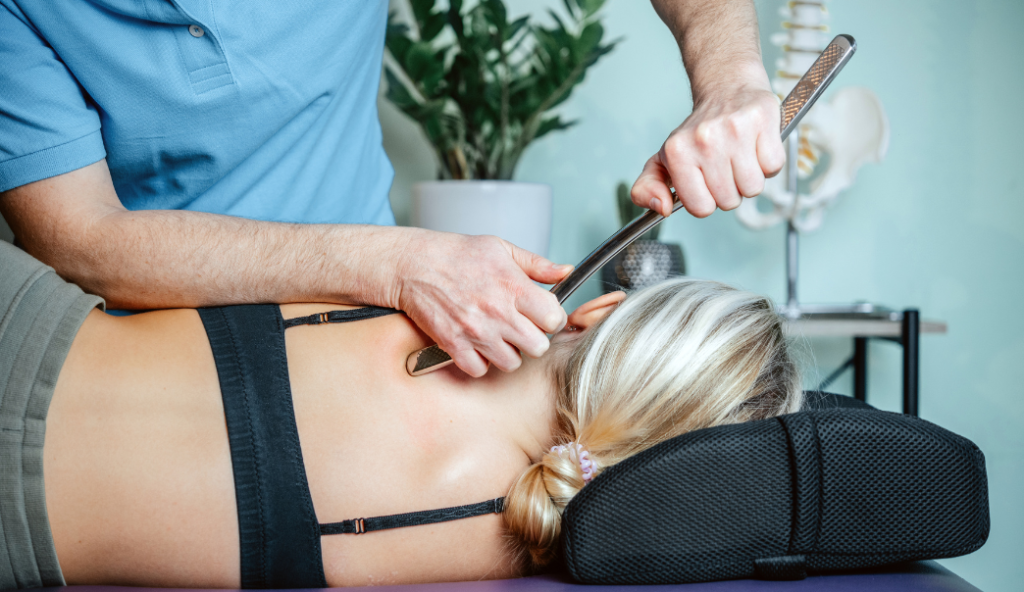
Using specialized tools, practitioners apply pressure and friction to the soft tissues to promote healing, decrease scar tissue development, and improve overall tissue function. IASTM techniques involve using instruments such as stainless steel or plastic tools to detect and treat soft tissue abnormalities.
The tools break down scar tissue, adhesions, and fascial restrictions, allowing for better movement and reduced pain. IASTM is particularly effective in treating conditions like tendinitis, muscle strains, and ligament sprains.
These techniques are just a few examples of the wide range of soft tissue therapy methods available to athletes. Each approach has unique benefits and applications, and a skilled therapist will tailor the treatment to meet the specific needs of each individual.
Soft tissue therapy is crucial in optimizing athletic performance, preventing injuries, and promoting overall well-being for athletes of all levels.
Addressing Common Athletic Injuries
Athletes often encounter common injuries due to repetitive motion, overuse, or sudden trauma. Soft tissue therapy plays a crucial role in addressing and rehabilitating these injuries.
For instance, strains and sprains are prevalent among athletes and can hinder performance. Therapists can target the affected areas through soft tissue therapy and utilize appropriate techniques to reduce inflammation, promote healing, and restore full functionality.
In addition to strains and sprains, soft tissue therapy can help with tendonitis, bursitis, and stress fractures. By addressing these injuries promptly, athletes can rehabilitate more effectively and return to their chosen sport faster.
Let’s take a closer look at how soft tissue therapy can aid in the recovery of common athletic injuries:
Tendonitis
Tendonitis is characterized by inflammation and irritation of a tendon, often caused by repetitive movements or overuse. Soft tissue therapy can target the affected tendon, applying techniques such as deep tissue massage and myofascial release to reduce inflammation and promote healing. Athletes can prevent further damage and expedite their recovery by addressing tendonitis early on.
Bursitis
Bursitis is the inflammation of the bursae, tiny fluid-filled sacs cushion the joints. This condition commonly affects athletes who engage in repetitive motions or put excessive pressure on specific joints. Soft tissue therapy can help alleviate bursitis symptoms by reducing inflammation, improving blood flow, and restoring proper joint function. Therapists may employ trigger point therapy and stretching exercises to target the affected areas and provide relief.
Stress Fractures
Stress fractures are small cracks in the bones, often caused by repetitive impact or overuse. These injuries can be particularly challenging for athletes, requiring adequate rest and rehabilitation to heal properly. Soft tissue therapy can aid recovery by promoting blood circulation, reducing muscle tension, and accelerating bone healing. Therapists may incorporate techniques such as ultrasound therapy and gentle stretching to support the healing of stress fractures.
It is important to note that soft tissue therapy should always be performed by qualified professionals who thoroughly understand anatomy and injury management. Athletes should consult their healthcare team to determine the most appropriate treatment plan for their injury.
Soft tissue therapy is valuable in addressing and rehabilitating common athletic injuries. By targeting the affected areas and employing appropriate techniques, therapists can help athletes reduce pain and inflammation and promote healing. Soft tissue therapy can play a significant role in getting athletes back to peak performance, whether it’s strains, sprains, tendonitis, bursitis, or stress fractures.
Enhancing Performance with Soft Tissue Therapy
Soft tissue therapy is essential for injury management and a powerful tool for enhancing athletic performance. Athletes who regularly undergo soft tissue treatments can optimize muscle function, improve joint mobility, and increase overall flexibility.
One of the critical benefits of soft tissue therapy is its ability to release tight or overactive muscles. This can help athletes achieve increased power, speed, and agility. By targeting specific muscle groups and reducing adhesions or scar tissue, soft tissue therapy can improve dynamic movement patterns and enhance athletic performance.
Moreover, soft tissue therapy is crucial in reducing muscle soreness and aiding in recovery. After intense training sessions or competitions, athletes often experience muscle tightness and discomfort. Soft tissue therapy techniques such as deep tissue massage and myofascial release can help alleviate these symptoms, allowing athletes to train more efficiently and consistently.
By incorporating soft tissue therapy into their training regimen, athletes improve their physical performance and reduce the risk of overuse injuries caused by training in a fatigued state. When muscles are fatigued, they are more prone to strain and injury. Soft tissue therapy helps prevent such injuries by promoting muscle relaxation and reducing tension.
In addition to its physical benefits, soft tissue therapy has psychological advantages for athletes. The hands-on nature of the treatment can promote relaxation, reduce stress, and enhance mental focus. This can be particularly beneficial before essential competitions or high-pressure situations.
Soft tissue therapy is a valuable tool for athletes looking to enhance their performance. Its ability to optimize muscle function, improve joint mobility, and aid in recovery makes it an essential component of any training program. Athletes can unlock their full potential and achieve their performance goals by incorporating regular soft tissue treatments.
Preventing Injuries through Soft Tissue Techniques
Prevention is often better than cure, and soft tissue therapy excels at injury prevention strategies. By addressing muscle imbalances and identifying potential areas of weakness or overuse, therapists can implement targeted techniques to prevent injuries before they occur.
Regular massage therapy sessions can help athletes maintain optimal muscle balance, flexibility, and range of motion. By combining soft tissue techniques with a comprehensive strength and conditioning program, athletes can significantly reduce the risk of injuries related to muscle imbalances or compensatory movement patterns.
Additionally, soft tissue therapy can assist in identifying faulty movement patterns or biomechanical issues that may contribute to injury development. By addressing these issues early on, athletes can adjust their training and movement patterns, reducing the risk of future injuries.