Upper back tension is a common issue that many people experience. This discomfort can be challenging, whether caused by poor posture, stress, or muscle imbalances. This article will explore various stretches and exercises to help alleviate upper back tension and promote better overall health.
Stretch 1: Shoulder Blade Squeeze
One effective stretch for relieving upper back tension is the shoulder blade squeeze. To perform this stretch, start by sitting or standing up straight with your shoulders relaxed. Then, gently squeeze your shoulder blades together as if you’re trying to hold a pencil between them. Hold this position for 10-15 seconds and release. Repeat this stretch 5-10 times to help relax and strengthen the muscles in your upper back.
The shoulder blade squeeze is a simple yet effective stretch that targets the muscles in your upper back, specifically the rhomboids and trapezius. These muscles play a crucial role in maintaining good posture and shoulder stability. Regularly performing the shoulder blade squeeze can help alleviate tension and tightness in this area, promoting better posture and reducing the risk of upper back pain.
When performing the shoulder blade squeeze, it’s essential to maintain proper form. Keep your shoulders relaxed and avoid shrugging them up towards your ears. Instead, imagine gently pulling your shoulder blades down and towards each other, slightly contracting your upper back muscles.
In addition to relieving tension, the shoulder blade squeeze also helps to strengthen the muscles in your upper back. As you squeeze your shoulder blades together, you engage the rhomboids and trapezius, which are responsible for retracting and stabilizing the shoulder blades. Regularly incorporating this stretch into your routine can help improve the strength and endurance of these muscles, leading to better posture and reduced risk of injuries.
It’s important to note that while the shoulder blade squeeze is generally safe for most individuals, it’s always a good idea to consult with a healthcare professional or a qualified fitness instructor before starting any new exercise or stretching routine, especially if you have a pre-existing condition or injury.
The shoulder blade squeeze is a simple and effective stretch for relieving upper back tension. By incorporating this stretch into your routine, you can help relax and strengthen the muscles in your upper back, promoting better posture and reducing the risk of pain and injuries. Always listen to your body and consult a professional with concerns or questions.
Stretch 2: Cat-Cow Pose
Another great stretch to target the upper back is the cat-cow pose. This pose not only helps to increase spine flexibility but also releases neck and shoulder tension. It is a gentle and flowing movement that anyone can do, regardless of their fitness level.
To begin, find a comfortable space and get down on all fours with your hands directly below your shoulders and your knees below your hips. Take a moment to ground yourself, feeling the connection between your hands and the floor beneath you. Close your eyes and take a deep breath in, allowing your body to relax.
As you inhale, slowly arch your back and lift your chest towards the ceiling, allowing your belly to sink towards the floor. This is the cow pose. Feel the gentle stretch in your spine as you lengthen through the crown of your head. Take a moment to pause in this position, feeling the expansion in your chest and the opening in your heart.
Then, as you exhale, slowly round your spine upwards, tucking your chin towards your chest and drawing your belly in towards your spine. This is the cat pose. Feel the stretch in your upper back as you gently push the floor away with your hands. Allow your breath to guide your movement, flowing smoothly between the two poses.
Repeat the cat-cow sequence 5-10 times, moving with your breath. As you continue the movement, notice any tension or tightness in your upper back. Aim to release more with each repetition, allowing your body to soften and relax. Feel the gentle massage-like effect on your spine as you move through the poses.
As you practice the cat-cow pose, pay attention to the sensations in your body. Notice how the movement affects your breath and how the breath affects the movement. Allow yourself to fully immerse in the present moment, letting go of any thoughts or distractions.
Remember to listen to your body and modify the poses as needed. If you experience any pain or discomfort, ease off and find a variation that feels more comfortable for you. The cat-cow pose is a gentle and nurturing stretch, so honor your body’s limits and always practice with awareness.
By incorporating the cat-cow pose into your regular stretching routine, you can improve the flexibility and mobility of your upper back. This stretch is particularly beneficial for those who spend long hours sitting or working at a desk, as it helps to counteract the effects of poor posture and a sedentary lifestyle.
So, indulge in the soothing and rejuvenating cat-cow pose for a few moments each day. Your upper back will thank you for it, and you’ll feel renewed vitality and well-being.
Stretch 3: Thoracic Extension Stretch
The thoracic extension stretch is a simple yet effective exercise that relieves upper back tension. This stretch specifically targets the thoracic spine, the middle region of the spine between the cervical (neck) and lumbar (lower back) regions. By incorporating this stretch into your routine, you can improve thoracic mobility and reduce tension in the upper back.
To perform the thoracic extension stretch, find a comfortable chair and sit on the edge with your feet flat on the floor. This position ensures stability and allows you to focus solely on the stretch. Take a moment to relax and prepare yourself mentally for the exercise.
Once ready, interlock your fingers behind your head, with your elbows pointing outwards. This hand position helps to support your neck and upper back during the stretch. Take a deep breath in, and gently arch your upper back backward as you exhale.
As you arch your upper back, focus on lengthening your spine and opening the chest. Imagine that you are trying to create space between each vertebra in your thoracic spine. This conscious effort will enhance the effectiveness of the stretch.
While maintaining the arch in your upper back, allow your head to tilt slightly back, directing your gaze towards the ceiling. This movement further extends the thoracic spine and intensifies the stretch. However, be cautious not to strain your neck or overextend your back.
Hold this position for 10-15 seconds, feeling a gentle stretch in your upper back. It is important to remember that this stretch should not cause any pain. If you experience discomfort, ease off the stretch slightly until you find a comfortable position.
After holding the stretch, slowly return to the starting position by returning your head and upper back to an upright position. Take a moment to relax and assess how your upper back feels after the stretch.
Repeat the thoracic extension stretch 5-10 times, gradually increasing the number of repetitions as your flexibility improves. Pay attention to your body’s response each time you perform this stretch and adjust the intensity accordingly.
By incorporating the thoracic extension stretch into your routine, you can experience the long-term benefits of improved thoracic mobility and reduced tension in the upper back. This stretch is particularly beneficial for individuals who spend long hours sitting or working at a desk, as it helps counteract the forward hunching posture often associated with these activities.
Always consult a healthcare professional or a qualified fitness instructor before starting any new exercise program, especially if you have pre-existing medical conditions or injuries. They can provide personalized guidance and ensure that the thoracic extension stretch suits your needs.
Stretch 4: Child’s Pose with Upper Back Focus
The child’s pose is a relaxing stretch that targets the entire back, including the upper back. Begin by kneeling on the floor with your knees hip-width apart. Lower your buttocks towards your heels and extend your arms forward, resting your forehead on the mat. Take deep breaths and allow your upper back to relax and release tension. Hold this pose for 1-2 minutes or as long as comfortable.
Stretch 5: Seated Twist for Upper Back
A seated twist is a fantastic stretch to release tension in the upper back and improve spinal mobility. Start by sitting on a chair with your feet flat on the floor. Place your right hand on the outside of your left thigh and gently twist towards the left, using your left hand to support and deepen the stretch. Hold this position for 10-15 seconds, then repeat on the other side. Perform the seated twist 5-10 times on each side to help alleviate upper back tension.
Stretch 6: Door Frame Stretch
The door frame stretch is an excellent stretch to open up the chest and relieve tension in the upper back. Stand facing a door frame and place your forearms against the frame at shoulder height. Step one foot forward, keeping your elbows and forearms in contact with the frame. Lean forward slightly, feeling a stretch through your shoulders and upper back. Hold this position for 10-15 seconds, then switch the position of your feet and repeat. Perform this stretch 5-10 times to loosen tight muscles in the upper back.
Stretch 7: Neck Tilts and Rotations
Neck tilts and rotations are simple yet effective stretches for reducing upper back and neck tension. Begin by sitting or standing up straight with your shoulders relaxed. Slowly tilt your head towards one shoulder, feeling a gentle stretch on the opposite side of your neck. Hold this position for 10-15 seconds, then return your head to the center. Repeat this stretch on the other side. For neck rotations, gently rotate your head to one side, hold for a few seconds, then turn to the other. Perform these stretches 5-10 times to relieve upper back tension and improve neck flexibility.
Incorporating These Stretches into Your Daily Routine
Now that you know these beneficial stretches for upper back tension relief, it’s time to incorporate them into your daily routine. Consistency is key when it comes to addressing muscle tension and tightness. Choose a time of day that works best for you, and set aside a few minutes each day to perform these stretches. Whether in the morning, during a break at work, or before bedtime, find a routine that suits your lifestyle and commit to it. Making these stretches a regular part of your day can reduce upper back tension and improve overall well-being.
Additional Tips for Upper Back Tension Relief
In addition to incorporating the stretches mentioned above, there are a few other tips you can follow to help alleviate upper back tension. First, be mindful of your posture throughout the day. Sit and stand straight, with your shoulders relaxed and your back aligned. Avoid prolonged periods of sitting or standing in the same position, as this can contribute to muscle imbalances and tension.
Regular breaks to stretch and move can also help prevent upper back tension from building up. Additionally, consider incorporating exercises that strengthen the muscles in your upper back, such as rows or pull-ups. Building strength in these muscles can provide support and alleviate tension. Lastly, managing stress levels through relaxation techniques, such as deep breathing or meditation, can also positively impact your upper back health.
Maintaining Upper Back Health
Taking care of your upper back is essential for maintaining overall health and well-being. By incorporating these stretches into your daily routine, paying attention to your posture, and managing stress levels, you can effectively alleviate upper back tension and improve the quality of your life. Remember, it’s essential to listen to your body and consult a healthcare professional if you experience persistent or severe upper back pain. With consistency and dedication, you can enjoy a healthy and pain-free upper back.
Sports massage has long been recognized as crucial in an athlete’s training and recovery program. As athletes push their bodies to the limit, sports massage provides numerous benefits. In this article, we will explore the critical advantages of sports massage and how it can contribute to their overall performance and well-being.
Essential Techniques in Sports Massage for Peak Performance
Athletes often turn to sports massage to enhance their performance. One of the critical techniques used in sports massage is deep tissue massage. Targeting the deeper layers of muscles and connective tissues helps release muscle tension, improve flexibility, and increase blood flow to the muscles.
Deep Tissue Massage
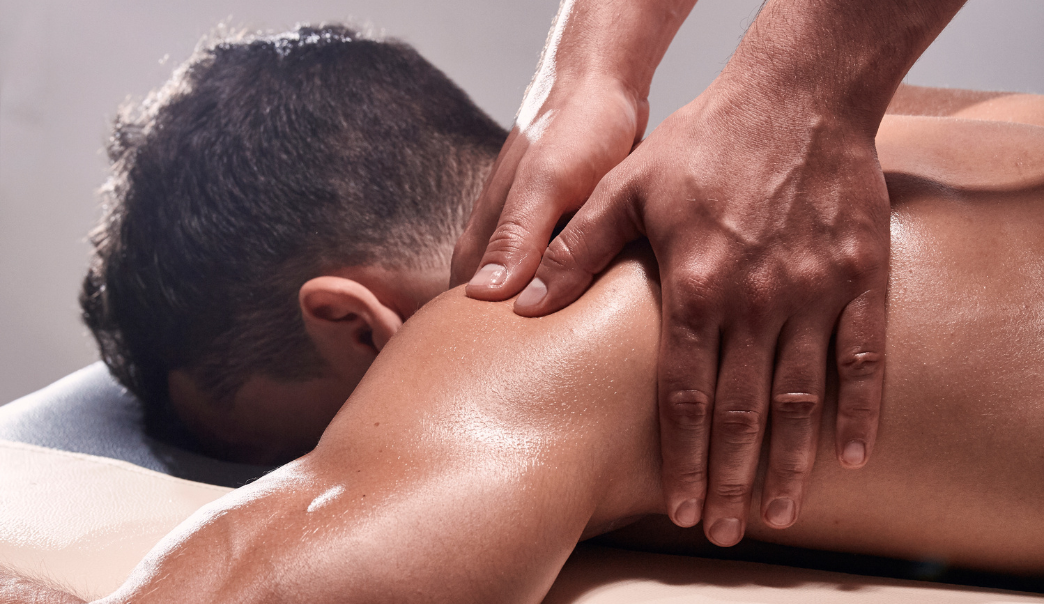
Deep tissue massage involves applying firm pressure and slow strokes to reach the underlying muscles. This technique is particularly beneficial for athletes who engage in intense physical activities, as it helps break down adhesions and scar tissues that can develop from repetitive motions or injuries. By releasing these adhesions, deep-tissue massage promotes a better range of motion and reduces the risk of future injuries.
Effleurage and Petrissage
In addition to deep tissue massage, sports massage therapists utilize techniques such as effleurage and petrissage. Effleurage involves long, sweeping strokes that help warm up the muscles and prepare them for more profound work. This technique stimulates blood circulation, improving the delivery of oxygen and nutrients to the muscles.
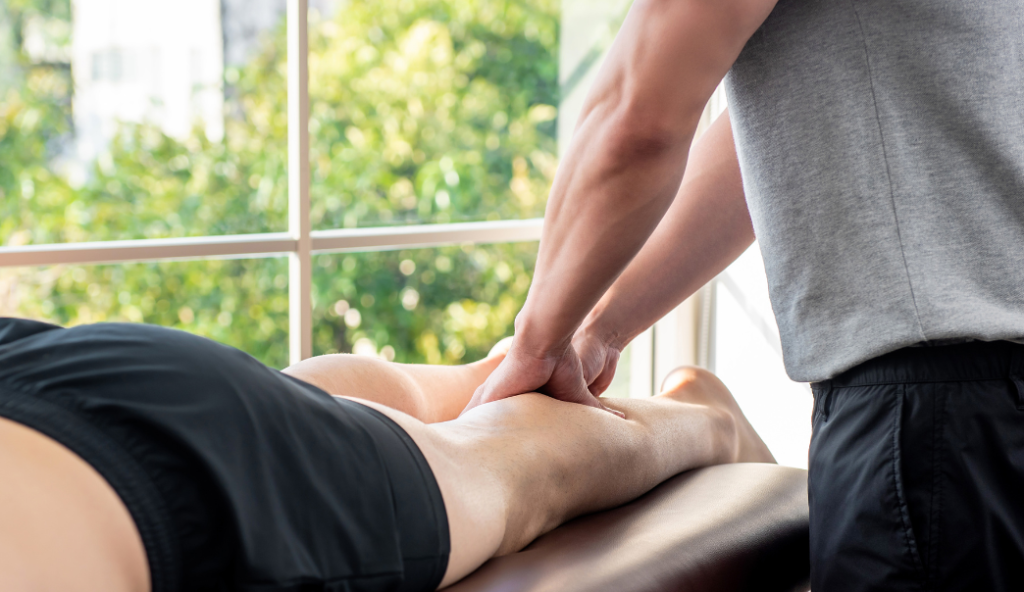
Petrissage, on the other hand, involves kneading, rolling, and squeezing the muscles. This technique helps break up muscle knots and adhesions while promoting relaxation and reducing muscle soreness. By incorporating effleurage and petrissage into a sports massage session, therapists can address the superficial and deeper layers of muscles, ensuring a comprehensive treatment.
When combined with the expertise of a skilled sports massage therapist, these techniques can significantly improve an athlete’s performance. The therapist’s knowledge of anatomy and physiology allows them to identify specific areas of tension or imbalance in an athlete’s body. The therapist can help restore balance, enhance muscle function, and improve overall athletic performance by targeting these areas during the massage.
Massages for Faster Muscle Recovery
Furthermore, sports massage benefits athletes during training and competition and is crucial to their recovery. After an intense workout or competition, athletes may experience muscle soreness, fatigue, and even minor injuries. Sports massage can help speed recovery by reducing inflammation, promoting muscle relaxation, and increasing blood flow to the affected areas.
Regular sports massage sessions can also contribute to injury prevention. By addressing muscle imbalances, tightness, and areas of weakness, sports massage can help athletes identify and correct potential issues before they develop into more severe injuries. This proactive approach to injury prevention can ultimately prolong an athlete’s career and keep them performing at their peak.
Sports Massage in Injury Prevention and Recovery
While sports massage is well-known for its benefits in enhancing performance, it also plays a crucial role in preventing injuries and aiding in recovery. By incorporating sports massage into their regular training routine, athletes can reduce the risk of developing sports-related injuries such as sprains, strains, and muscle imbalances. Sports massage can also speed up the recovery process by promoting muscle healing, reducing inflammation, and eliminating metabolic waste products from the body.
In addition to these primary benefits, sports massage offers a range of secondary advantages that contribute to an athlete’s overall well-being. One such advantage is the improvement in circulation that occurs during a sports massage session. As the therapist applies various techniques, blood flow to the muscles increases, delivering oxygen and nutrients while removing waste products. This enhanced circulation not only aids in recovery but also helps prevent muscle fatigue and cramping during intense physical activity.
Another lesser-known benefit of sports massage is its impact on the nervous system. The therapist can use specific massage techniques to stimulate the parasympathetic nervous system, promoting relaxation and reducing stress levels. This can be particularly beneficial for athletes who often experience high levels of physical and mental stress. By incorporating sports massage into their routine, athletes can better balance their sympathetic and parasympathetic nervous systems, leading to improved overall performance and well-being.
The Role of Stretching in Sports Massage
In addition to massage techniques, stretching is an integral part of sports massage for both injury prevention and recovery. Stretching exercises and targeted massage techniques help increase joint range of motion, improve muscle elasticity, and prevent muscle imbalances. Whether it’s passive stretching, active stretching, or proprioceptive neuromuscular facilitation (PNF) stretching, incorporating stretching into sports massage can be highly effective in maintaining and restoring an athlete’s physical well-being.
Stretching not only improves flexibility but also enhances muscle coordination and balance. By incorporating stretching into a sports massage session, the therapist can address any imbalances or tightness in the muscles, helping the athlete achieve optimal performance. Additionally, stretching can help prevent overuse injuries by ensuring that muscles and tendons are properly conditioned and prepared for the demands of intense physical activity.
Furthermore, stretching during a sports massage session can provide a valuable opportunity for the therapist to assess an athlete’s flexibility and identify any areas of concern. This allows for a more targeted and personalized approach to the massage, ensuring that the athlete receives the most effective treatment for their needs.
The Importance of Proper Body Mechanics
Regarding sports massage, the therapist’s body mechanics are crucial in ensuring optimal results. Proper body mechanics refer to the therapist’s posture, positioning, and massage techniques. By maintaining good body mechanics, therapists can apply the right amount of pressure, minimize strain on their bodies, and effectively target the areas that require attention. This not only enhances the effectiveness of the massage but also reduces the risk of injury to both the therapist and the athlete.
Additionally, proper body mechanics can contribute to the overall comfort and relaxation of the athlete during the massage. By adopting a stable and balanced posture, the therapist can create a sense of trust and security, allowing the athlete to relax and benefit from the treatment entirely. This relaxed state enhances the massage’s physical effects and promotes mental and emotional well-being.
Furthermore, maintaining proper body mechanics is essential for the longevity of a sports massage therapist’s career. By using efficient and ergonomic techniques, therapists can minimize the risk of developing musculoskeletal injuries or chronic pain conditions. This ensures that they can continue providing high-quality care to athletes for years.
Tailoring Sports Massage to Individual Athlete Needs
Every athlete is unique and has specific needs regarding their training and recovery. Sports massage therapists excel in tailoring their techniques and approaches to meet these individual needs. The massage therapist can develop a personalized treatment plan by conducting thorough assessments and considering an athlete’s goals, preferences, and existing conditions. This individualized approach ensures that athletes receive the maximum benefits from sports massage, allowing them to perform at their best.
Different People Need Different Treatment
When it comes to sports massage, one size does not fit all. Athletes come from various backgrounds and have different training regimens, so their bodies require specific attention. A skilled sports massage therapist understands this and takes the time to assess each athlete’s unique needs. They consider factors such as the athlete’s sport, training intensity, and any areas of concern or injury.
During the assessment phase, the therapist may ask the athlete about their training routine, including the frequency and duration of their workouts. This information helps the therapist understand the demands on the athlete’s body and identify areas that may require extra attention. For example, a long-distance runner may have tight hip flexors and calves due to the repetitive nature of their sport, while a weightlifter may have tension in their shoulders and lower back from heavy lifting.
Developing a Personalized Plan
Once the assessment is complete, the sports massage therapist can develop a personalized treatment plan addressing the athlete’s needs. This plan may include a combination of techniques such as deep tissue massage, myofascial release, stretching, and trigger point therapy. The therapist will also consider the athlete’s preferences, as some individuals may prefer a more intense massage while others may prefer a gentler approach.
During the sports massage session, the therapist will focus on the areas identified during the assessment. They will use their knowledge of anatomy and physiology to apply the appropriate techniques and pressure to release tension, improve circulation, and promote relaxation. The therapist may also guide self-care techniques and stretches that the athlete can incorporate into their daily routine to enhance the benefits of the massage.
Creating a Supportive and Motivated Environment
In addition to addressing the athlete’s physical needs, sports massage therapists also understand the importance of creating a supportive and comfortable environment. They strive to establish a rapport with the athlete, ensuring open communication and trust. This allows the athlete to feel at ease during the session, enhancing the overall experience and promoting well-being.
By tailoring sports massage to individual athlete needs, therapists can help athletes optimize their performance, prevent injuries, and enhance their overall well-being. Whether a professional athlete preparing for a competition or a recreational athlete recovering from a challenging workout, a personalized sports massage can significantly impact their training and recovery journey.
Case Studies: Sports Massage Success Stories
Countless athletes have experienced the transformative effects of sports massage. Let’s delve into a few inspiring case studies that highlight the power of sports massage in enhancing performance, preventing injuries, and aiding in recovery.
Integrating Sports Massage into Training Regimens
For athletes, incorporating sports massage into their training regimens is a game-changer. Regularly integrating sports massage helps athletes maintain balance in their musculoskeletal system, prevent overuse injuries, and optimize their overall physical condition. By working closely with their massage therapists and making sports massage an integral part of their fitness routine, athletes can reach new heights of performance and achieve their goals.
Navigating Common Misconceptions About Sports Massage
Despite its proven benefits, sports massage still faces misconceptions that deserve attention. Let’s address a few common myths and set the record straight:
Myth 1: Sports massage is only for professional athletes.
Myth 2: Sports massage is painful and uncomfortable.
Myth 3: Sports massage is a luxury, not a necessity.
By debunking these misconceptions, we hope to encourage more athletes of all levels to explore the extraordinary advantages of sports massage.
Expert Insights: What Athletes Should Know
Who better to shed light on the benefits of sports massage than experts in the field? We contacted leading sports massage therapists and asked them to share their insights and advice for athletes. Let’s discover what they have to say about unlocking the full potential of sports massage for athletic excellence.
The Future of Sports Massage in Athletic Care
As sports science and therapeutic techniques continue to evolve, the future of sports massage appears promising. With technological advancements, research, and training methodologies, we can expect sports massage to become an even more integral part of athletic care. This includes the development of specialized massage techniques and tools that cater to various sports-specific needs. By embracing these advancements, athletes can unlock new levels of performance and well-being.
Embracing Sports Massage for Athletic Excellence
Sports massage offers many benefits for athletes, from enhancing performance to preventing injuries and aiding in recovery. By utilizing key techniques, customizing treatments to individual needs, and integrating sports massage into their training regimens, athletes can unlock their full potential and achieve athletic excellence. Let’s embrace the power of sports massage and optimize our physical well-being for a successful and fulfilling athletic journey.
Athletes are no strangers to injuries. It comes with the territory of pushing their bodies to the limits in pursuit of greatness. While some injuries may be minor and easily manageable, others can be debilitating and require extensive rehabilitation. This is where the role of an athlete chiropractor becomes invaluable.
These healthcare professionals specialize in providing chiropractic care explicitly tailored to athletes, aiding in their recovery and helping them get back on track. In this article, we will explore the crucial role that athletic chiropractors play in the road to recovery for athletes.
The Role of an Athlete Chiropractor in Recovery
Understanding Common Sports Injuries
First and foremost, chiropractors have in-depth knowledge of common sports injuries. They understand the anatomy of the body and the mechanisms of injuries that athletes are most prone to. From sprains and strains to tendonitis and stress fractures, athlete chiropractors can identify and diagnose these injuries with precision. This understanding allows them to develop targeted treatment plans that address the specific needs of each athlete’s injury.
Athlete chiropractors also recognize how injuries can impact an athlete’s overall well-being. Injuries hinder physical performance and can also take a toll mentally and emotionally. By empathizing with athletes and providing support, chiropractors help athletes navigate recovery more effectively.
Furthermore, chiropractors specializing in athletic performance stay up-to-date with the latest research and advancements in sports medicine. They continuously expand their knowledge to ensure they have the most effective techniques and treatments for various sports injuries.
Developing Personalized Rehabilitation Programs
One of the critical roles of an athlete chiropractor is to develop personalized rehabilitation programs for their patients. Each athlete and injury is unique, requiring an individualized approach. By thoroughly assessing the athlete’s condition and goals, chiropractors can design rehabilitation programs to strengthen weak areas, improve flexibility, and enhance overall performance.
These programs often incorporate techniques and modalities, such as therapeutic exercises, spinal adjustments, and soft tissue therapies. Through consistent monitoring and adjustments, athlete chiropractors ensure that athletes progress optimally and avoid setbacks during their recovery.
Moreover, athlete chiropractors understand the importance of a holistic approach to rehabilitation. They consider factors beyond the injury, such as an athlete’s lifestyle, nutrition, and sleep patterns. By addressing these aspects, chiropractors promote overall wellness and facilitate a faster and more complete recovery.
Utilizing Specialized Techniques
Athlete chiropractors are skilled in various specialized techniques that can significantly contribute to recovery. For example, Active Release Technique (ART) is a manual therapy technique used to treat soft tissue injuries by precisely targeting and applying tension to affected muscles, tendons, and ligaments. This technique can help athletes regain range of motion and reduce pain.
Instrument-assisted soft tissue mobilization (IASTM) is another technique athlete chiropractors may employ. By using specialized tools, chiropractors can detect and address scar tissue and myofascial restrictions, restoring normal tissue function and reducing pain and inflammation.
In addition to these techniques, athlete chiropractors may incorporate other modalities such as ultrasound therapy, electrical stimulation, and cold laser therapy. These modalities can further enhance the healing process and promote tissue regeneration.
Collaborating with Other Healthcare Professionals
Recovery is a multidisciplinary process, often requiring collaboration between various healthcare professionals. Athletic Chiropractors understand the importance of teamwork and regularly collaborate with other professionals, such as physical therapists, orthopedic surgeons, and sports medicine doctors.
These professionals can combine their expertise to ensure that athletes receive comprehensive care. This collaborative approach enhances the recovery process and minimizes the risk of future injuries by addressing underlying causes and imbalances that may have contributed to the initial injury.
Chiropractors who specialize in athletic performance actively participate in interdisciplinary conferences and seminars to stay connected with the latest advancements in sports medicine. This continuous learning and collaboration allow them to provide the highest care to their athlete patients.
Monitoring Progress and Adjusting Treatments
Throughout the recovery journey, athletic chiropractors play a vital role in monitoring athletes’ progress and adjusting treatments accordingly. They closely track athletes’ improvement, evaluating pain levels, range of motion, and overall performance.
Based on these assessments, chiropractors can modify rehabilitation programs, implement new techniques, or recommend complementary treatments to optimize athletes’ recovery. This ongoing evaluation ensures that athletes receive the most effective care and progress toward their goals safely and efficiently.
Athlete chiropractors also guide athletes on self-care techniques and exercises they can perform at home to support their recovery. They educate athletes on proper body mechanics and movement patterns to prevent further injury and promote long-term health.
Emphasizing the Importance of Post-Injury Care and Maintenance
The role of an athlete chiropractor extends beyond recovery from acute injuries. They also emphasize the importance of post-injury care and maintenance to prevent future injuries and optimize long-term performance.
Athlete chiropractors educate athletes on proper biomechanics, injury prevention strategies, and exercises that promote strength and stability. They empower athletes with the knowledge and tools necessary to maintain their bodies and minimize re-injury risk.
In addition, athlete chiropractors guide nutrition and supplementation to support athletes’ overall health and recovery. They may collaborate with sports nutritionists to develop personalized meal plans that optimize performance and aid healing.
Success stories can inspire and motivate athletes throughout their recovery process. Chiropractors who work with athletes often share success stories of other athletes who have overcome similar injuries.
By showcasing the progress and achievements of these athletes, chiropractors instill hope and confidence in their patients. This positive reinforcement fuels athletes’ determination to overcome obstacles and achieve recovery milestones.
Athlete chiropractors may also organize support groups or online communities where athletes can connect with others who have experienced similar injuries. These platforms allow athletes to share their stories, exchange advice, and find encouragement during their recovery journey.
Continuing Care: Preventing Future Injuries
Once an athlete has successfully recovered from an injury, the role of an athlete chiropractor doesn’t end. They are crucial in continuing care, helping athletes maintain optimal physical condition and prevent future injuries.
Athlete chiropractors work closely with athletes to develop personalized maintenance programs, including regular chiropractic adjustments, exercises, and proactive injury prevention strategies. By remaining proactive, athletes can stay in peak condition and continue to perform at their best.
Furthermore, chiropractors can educate athletes on the importance of proper warm-up and cool-down routines and the significance of rest and recovery in preventing overuse injuries. They also educate athletes on the warning signs of potential injuries, empowering them to take early action and seek appropriate treatment.
Taking a proactive and comprehensive approach to care, athlete chiropractors play a vital role in helping athletes achieve long-term success in their athletic endeavors.
When it comes to recovering athletes, the role of an athlete chiropractor is indispensable. Their specialized knowledge, personalized rehabilitation programs, and collaboration with other healthcare professionals can make a difference in an athlete’s journey to recovery.
Chiropractors ensure athletes recover from injuries and optimize their long-term performance by utilizing specialized techniques, monitoring progress, and emphasizing post-injury care. So, the next time you witness a triumphant comeback from an injured athlete, remember the crucial role their chiropractor likely played in their extraordinary recovery journey.
Maintaining a healthy spine is crucial for overall well-being and quality of life. We often think of exercise, posture, and chiropractic care as the key factors in spinal health, but did you know that your diet can also play a significant role?
What you eat can affect the health of your spine, including the strength of your bones, the flexibility of your joints, and even the rate of inflammation in your body. This article will explore the connection between diet and spinal health and discover the essential nutrients and foods that can support a healthy spine.
Essential Nutrients for a Healthy Spine
Our bodies are complex machines that require a wide range of nutrients to function optimally. When it comes to spinal health, certain nutrients are essential. One of the critical nutrients for maintaining a healthy spine is calcium, which provides the building blocks for strong bones. Foods rich in calcium, such as dairy products, leafy greens, and fortified cereals, should be included in your diet.
In addition to calcium, vitamin D is essential for proper bone health. Your body needs vitamin D to absorb calcium effectively. Sunlight is the primary source of vitamin D, but it can also be found in fatty fish, egg yolks, and fortified products. Including these foods in your diet can help you get enough vitamin D to support your spine.
Furthermore, it is essential to note that maintaining a healthy weight is crucial for spinal health. Excess weight stresses the spine, leading to pain and discomfort. Therefore, incorporating a balanced diet that includes a variety of nutrient-rich foods can help you maintain a healthy weight and support your spine.
The Role of Magnesium
Another crucial nutrient for spinal health is magnesium. Magnesium is vital in maintaining healthy muscles and nerves surrounding the spine. It also helps regulate calcium levels in the body, contributing to proper bone mineralization. Foods rich in magnesium include nuts, seeds, whole grains, and legumes. Adding these foods to your diet can help support a healthy spine.
In addition to its role in spinal health, magnesium has numerous other benefits for the body. It helps regulate blood sugar levels, supports a healthy immune system, and aids energy production. Furthermore, magnesium has been shown to have a calming effect on the nervous system, which can help reduce stress and promote better sleep.
It is worth mentioning that while a balanced diet is essential for obtaining the necessary nutrients for spinal health, sometimes it may be challenging to meet all the requirements through food alone. In such cases, dietary supplements can be considered under the guidance of a healthcare professional.
Maintaining a healthy spine requires a combination of various nutrients, including calcium, vitamin D, and magnesium. By incorporating a diverse range of foods into your diet, you can ensure that your spine receives the essential nutrients it needs to stay strong and support overall well-being.
Anti-Inflammatory Foods for Pain Relief
Many spinal conditions, such as arthritis or herniated discs, involve inflammation, which can cause pain and discomfort. Incorporating anti-inflammatory foods into your diet can help alleviate these symptoms and support spinal health. Foods rich in omega-3 fatty acids, such as fatty fish, walnuts, and flaxseeds, have been shown to reduce inflammation in the body.
In addition to omega-3 fatty acids, fruits and vegetables are excellent sources of natural anti-inflammatory compounds. Berries, leafy greens, and cruciferous vegetables, such as broccoli and Brussels sprouts, are packed with antioxidants and phytochemicals that can help combat inflammation.
When it comes to reducing inflammation, turmeric is a superstar. This vibrant yellow spice, commonly used in Indian cuisine, contains curcumin, known for its potent anti-inflammatory properties. Curcumin works by inhibiting the activity of enzymes that play a key role in inflammation. Adding turmeric to your dishes or incorporating it into smoothies or teas can be an excellent way to reduce inflammation and support spinal health.
But turmeric doesn’t just provide anti-inflammatory benefits. It has also been studied for its potential to improve brain function and lower the risk of heart disease. Curcumin has been shown to cross the blood-brain barrier, which means it can directly enter the brain and benefit cognitive function. Additionally, curcumin has been found to improve endothelial function, which is essential for maintaining a healthy heart and blood vessels.
When using turmeric, it’s important to note that the body does not easily absorb curcumin. However, consuming it with black pepper can significantly enhance its absorption. Black pepper contains a compound called piperine, which has been shown to increase curcumin absorption by up to 2,000%. So, consider adding a pinch of black pepper to your turmeric-containing dishes to maximize its benefits.
Incorporating turmeric into your diet doesn’t have to be complicated. You can sprinkle it on roasted vegetables, add it to soups and stews, or even make a delicious golden milk latte by combining turmeric with warm milk and a touch of honey. The options are endless, and the benefits are numerous.
Building Strong Bones: Calcium and Vitamin D
As mentioned earlier, calcium and vitamin D are crucial for maintaining strong bones, including those that make up your spine. In addition to dairy products and leafy greens, other foods can help support bone health.
Foods rich in vitamin K, such as spinach, kale, and broccoli, promote the proper absorption of calcium and contribute to bone strength. Including these foods in your diet can be beneficial for maintaining a healthy spine.
The Importance of Weight-Bearing Exercises
In addition to a calcium-rich diet, weight-bearing exercises like walking, running, or weightlifting can help build and maintain bone density. These activities stress the bones, stimulating the body to build stronger, denser bones. Incorporating weight-bearing exercises into your routine can complement your diet and contribute to spinal health.
Hydration and Its Impact on Spinal Health
We often underestimate the importance of hydration in our overall health, including our spinal health. Water is essential for maintaining the elasticity and fluidity of the discs that cushion our vertebrae.
Drinking adequate water throughout the day helps ensure that your spinal discs stay hydrated and can absorb shocks effectively. Additionally, staying hydrated can prevent muscle cramps and spasms, which can contribute to back pain. Aim to drink at least eight glasses of water daily to support your spinal health.
The Role of Electrolytes
In addition to water, electrolytes play a crucial role in maintaining proper spinal health. Electrolytes are minerals that carry an electric charge and help regulate muscle function, including the muscles around the spine.
Foods rich in electrolytes include bananas, coconut water, and certain sports drinks. Including these foods in your diet can replenish electrolytes and support the overall health of your spine.
Superfoods for Spinal and Overall Well-being
Superfoods are nutrient-dense foods that provide a wide range of health benefits. Regarding spinal health, some superfoods stand out due to their nutritional content.
One such superfood is salmon, rich in omega-3 fatty acids essential for reducing inflammation and supporting joint health. Other superfoods for spinal health include almonds, high in magnesium, and berries, packed with antioxidants that help protect cells from damage.
Incorporating Chia Seeds into Your Diet
Chia seeds are another nutritional powerhouse that can support spinal health. These tiny seeds are an excellent calcium, magnesium, and omega-3 fatty acids source. Sprinkling chia seeds on your yogurt, smoothies, or salads can be a simple and effective way to include them in your diet.
Tailoring Your Diet for Chiropractic Care
If you are receiving chiropractic care to address specific spinal issues, tailoring your diet to support your treatment is essential. Specific dietary changes can enhance the effectiveness of chiropractic adjustments and promote spinal health.
Reducing inflammatory foods like processed snacks and sugary drinks can help decrease inflammation and pain. Opting for whole foods, including fruits, vegetables, lean proteins, and healthy fats, can provide the nutrients your body needs to heal and recover.
The Role of Prebiotics and Probiotics
Gut health has been linked to overall health, including spinal health. Including prebiotics and probiotics in your diet can support a healthy gut microbiome and enhance the effectiveness of chiropractic care.
Prebiotic-rich foods, such as onions, garlic, and bananas, nourish the beneficial bacteria in your gut, while probiotic-rich foods, like yogurt and sauerkraut, introduce beneficial bacteria directly into your digestive system. Incorporating a variety of prebiotics and probiotics into your meals can optimize your gut health and contribute to spinal health.
Real-Life Success Stories: Diet and Spinal Health
To truly understand the power of diet in supporting spinal health, it can be inspiring to hear real-life success stories. Many individuals have found relief from back pain, increased mobility, and enhanced overall well-being by making strategic dietary changes.
One such story is Sara’s, who struggled with chronic back pain for years. After consulting with a chiropractor, Sara learned the importance of a balanced diet for spinal health. By incorporating anti-inflammatory foods, such as salmon and leafy greens, into her meals and eliminating processed foods, she experienced a significant reduction in pain and improved flexibility.
John’s Journey to Spinal Health
John, another success story, suffered from osteoporosis, a condition that weakened his bones, including those in his spine. With the guidance of his healthcare team, John focused on increasing his calcium and vitamin D intake through dietary changes and supplementation. Over time, John’s bone density improved, and he experienced less pain and fractures.
Tips for Integrating Healthy Eating into Daily Life
Adopting a healthy diet for spinal health might seem daunting, but it doesn’t have to be. Making small changes and incorporating healthy habits into your daily routine can gradually improve your diet and support your spinal health.
Start by setting realistic goals for yourself, such as incorporating one new vegetable or superfood into your weekly meals. Plan your meals and snacks in advance to ensure you have readily available nutritious options. Consider involving your family or friends in your healthy eating journey, as their support and accountability can make a significant difference.
Remember, it’s not about perfection but progress. Every healthy choice you make contributes to the well-being of your spine and overall health.
The connection between diet and spinal health is undeniable. By incorporating essential nutrients, anti-inflammatory foods, and superfoods into your diet, you can support the health and longevity of your spine. Tailoring your diet to complement chiropractic care can enhance its effectiveness while staying hydrated, and optimizing gut health can further contribute to spinal well-being.
Real-life success stories demonstrate the transformative power of dietary changes, while practical tips can help you integrate healthy eating seamlessly into your daily life. Embrace the connection between diet and spinal health, and unlock the potential for a vibrant, pain-free spine!
Sports injuries can be painful and frustrating, as they can sideline athletes from their beloved activities. However, effective strategies can significantly reduce the risk of such injuries. In this article, our sports chiropractor will share valuable tips to help you stay injury-free and perform at your best. From the role of regular chiropractic adjustments to proper warm-up techniques and personalized exercise recommendations, we will cover it all. So, let’s dive in and explore how to prevent sports injuries and enhance your athletic performance.
Preventing Sports Injuries with Regular Chiropractic Adjustments
Regular chiropractic adjustments play a vital role in injury prevention for athletes. By ensuring proper alignment and function of the musculoskeletal system, chiropractic care helps optimize biomechanics and reduce the risk of injuries. In addition to preventing injuries, chiropractic adjustments can also improve athletic performance by enhancing flexibility, range of motion, and overall body function.
During chiropractic sessions, our sports chiropractor will assess your needs and tailor adjustments to address any imbalances or areas of weakness. By restoring balance and alignment, chiropractic care helps your body withstand the demands of sports and minimize the risk of injury.
But what exactly happens during a chiropractic adjustment? Let’s dive deeper into the process. When you visit our clinic, our sports chiropractor will thoroughly examine your musculoskeletal system. This may involve assessing your posture and range of motion and performing orthopedic tests to identify any areas of concern.
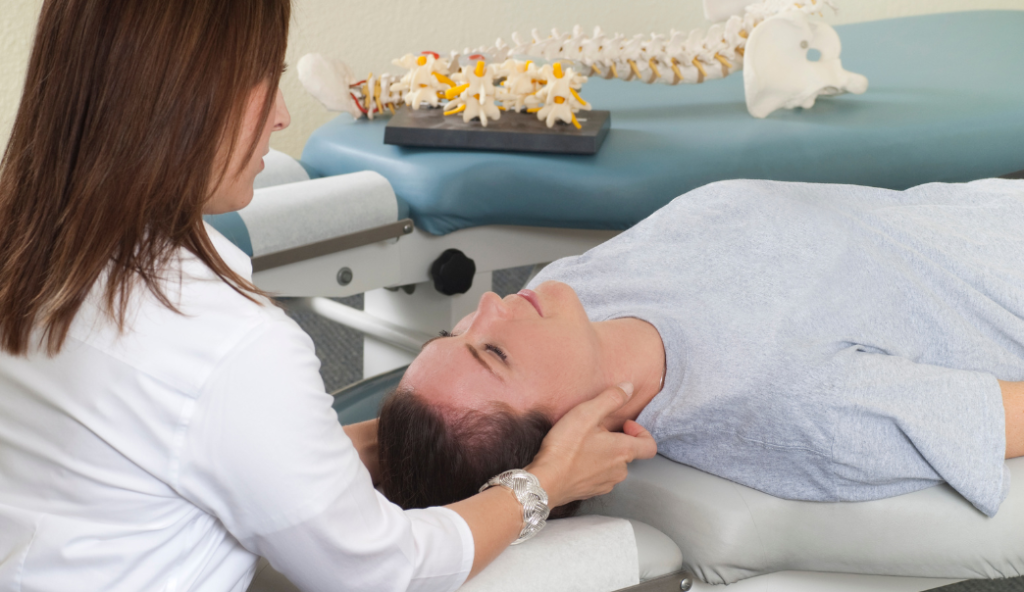
Once the assessment is complete, the chiropractor will use various techniques to adjust your spine and other joints. These techniques may include manual adjustments, where the chiropractor applies controlled force to specific areas, or instrument-assisted adjustments, where specialized tools are used to deliver precise adjustments.
Customized Care for Athletes
Every athlete is unique, and our sports chiropractor understands that. That’s why we provide customized care tailored to the specific needs of each athlete. Our goal is to optimize your performance and keep you injury-free. Whether you’re a professional athlete or enjoy recreational sports, our chiropractic team will create a personalized treatment plan that addresses your concerns and goals.
As part of your customized care plan, our sports chiropractor may recommend additional therapies to complement your adjustments. These therapies can include massage, stretching, and rehabilitative exercises to strengthen weak areas and improve overall function. By incorporating a holistic approach to your treatment, we aim to provide comprehensive care that supports your athletic goals.
The Benefits of Pre-Activity Warm-Up and Post-Activity Cool-Down
Preventing sports injuries starts even before stepping onto the field. Proper warm-up and cool-down techniques are essential for preparing your body for physical activity and aiding in recovery. Warm-up exercises increase blood flow, raise body temperature, and loosen joints and muscles, reducing the risk of strains, sprains, and other injuries.
A good warm-up routine should include dynamic movements that mimic the actions you’ll be performing during your sport. This pre-activity ritual prepares your body for the upcoming physical demands and enhances your focus and mental readiness.
Similarly, a thorough cool-down session is crucial after intense physical activity. Cooling down allows your heart rate to return to normal gradually and helps flush out waste products that accumulate in muscles during exercise. Stretching exercises during the cool-down phase promote flexibility and prevent muscle stiffness, reducing the likelihood of post-workout soreness and injuries.
Now that you understand the importance of warm-up and cool-down, let’s explore some specific exercises you can incorporate into your routine. Consider performing dynamic stretches such as leg swings, arm circles, and walking lunges for a warm-up. These movements help increase blood flow to your muscles and prepare them for the upcoming activity.
During your cool-down, focus on static stretches that target the major muscle groups used during your sport. Hold each stretch for 15-30 seconds, breathing deeply to promote relaxation and flexibility. Some effective cool-down stretches include hamstring, quadriceps, and shoulder stretches.
Remember, injury prevention is a continuous process, and regular chiropractic adjustments combined with proper warm-up and cool-down techniques can significantly reduce the risk of sports-related injuries. Prioritize your body’s well-being and invest in chiropractic care to keep yourself performing at your best.
Personalized Exercise and Stretching Recommendations
Incorporating the right exercises and stretches into your training routine can make all the difference in preventing sports injuries. Our sports chiropractor will carefully assess your specific sport, fitness level, and individual biomechanics to create a customized exercise and stretching program.
Strength training exercises targeting your sport’s muscles can help improve stability and protect against overuse injuries. Additionally, incorporating dynamic stretches into your warm-up routine can enhance flexibility, range of motion, and muscle coordination, decreasing the risk of strains and tears.
Furthermore, our sports chiropractor may suggest incorporating balance and proprioceptive exercises into your training regimen. These exercises promote body awareness, coordination, and stability, crucial factors for injury prevention, especially in sports that involve quick changes in direction or contact with other players.
For example, if you are a basketball player, our sports chiropractor may recommend exercises that focus on strengthening the muscles in your legs, such as squats and lunges. These exercises can help improve your jumping ability and reduce the risk of knee and ankle injuries. Additionally, incorporating dynamic stretches like leg swings and high knees into your warm-up routine can help improve your agility and prevent muscle imbalances.
If you are a runner, our sports chiropractor may suggest exercises targeting your lower body’s muscles, such as calf raises and hip bridges. These exercises can help improve your running efficiency and reduce the risk of common running injuries like shin splints and IT band syndrome. Dynamic stretches like walking lunges and leg swings can also help improve your stride length and prevent muscle tightness.
Importance of Proper Nutrition and Hydration
Nutrition and hydration are often overlooked aspects of injury prevention, but they play a significant role in an athlete’s overall well-being and performance. A well-balanced diet rich in nutrients and hydration can boost energy levels, support tissue repair, and reduce the risk of muscle cramps and fatigue.
Consume various fruits, vegetables, lean proteins, and whole grains to provide your body with the essential vitamins, minerals, and antioxidants it needs. Hydration is equally important, so drink plenty of water before, during, and after physical activity to maintain proper fluid balance and prevent dehydration.
Our sports chiropractor can provide nutritional guidance tailored to your sport, training intensity, and individual needs. Together, we can develop a nutrition plan that helps optimize your athletic performance and prevent injury.
For example, if you are a soccer player, our sports chiropractor may recommend a diet that includes carbohydrates for energy, lean proteins for muscle repair, and healthy fats for joint health. They may also suggest incorporating foods rich in antioxidants, such as berries and leafy greens, to reduce inflammation and support recovery.
In addition to proper nutrition, our sports chiropractor may discuss the importance of timing your meals and snacks around your training sessions to ensure optimal fueling and recovery. They may also provide tips on pre-workout and post-workout meals to maximize performance and muscle repair.
Remember, injury prevention involves the right exercises and stretches, proper nutrition, and hydration. Incorporating these recommendations into your training routine can reduce the risk of sports injuries and enhance your overall athletic performance.
Recognizing and Responding to Early Injury Signs
Despite our best efforts, injuries can still occur. Recognizing the early warning signs of an injury is critical to prevent it from worsening or becoming chronic. Pain, swelling, stiffness, and reduced range of motion are common indicators of an injury that requires attention.
If you experience any of these symptoms, listening to your body and promptly seeking professional advice is essential. Ignoring or self-medicating an injury can lead to further damage and a longer recovery process. Consulting with our sports chiropractor will help you receive an accurate diagnosis and an appropriate treatment plan tailored to your condition.
When recognizing early injury signs, paying attention to your body’s signals is essential. Pain can manifest in various ways, such as a sharp or dull ache, throbbing, or a burning sensation. Swelling may be visible or felt as a sensation of tightness or pressure in the affected area. Stiffness can make it difficult to move or perform certain activities, and a reduced range of motion may limit your ability to fully extend or flex a joint.
Understanding the specific symptoms associated with different types of injuries can help you identify the problem early on. For example, if you’re experiencing pain and swelling in your ankle after a twist or fall, it could indicate a sprain. On the other hand, if you feel pain and stiffness in your shoulder after repetitive overhead movements, it may be a sign of tendonitis.
Recognizing these early signs allows you to take immediate action, preventing further damage and facilitating a faster recovery. Seeking professional advice from a sports chiropractor is crucial because they specialize in diagnosing and treating sports-related injuries. They have in-depth knowledge of the musculoskeletal system and can provide targeted treatments, such as manual therapy, exercise rehabilitation, and preventive strategies.
Incorporating Recovery and Rest into Training
Rest and recovery are just as important as training itself regarding injury prevention. Allowing your body enough time to rest and repair after intense physical activity is crucial for avoiding overuse injuries and burnout.
Building rest days into your training schedule gives your muscles and joints time to recover and adapt. It also helps prevent mental fatigue and reduces the risk of poor decision-making on the field, which can lead to injuries. Prioritizing sleep is equally important, as it plays a vital role in tissue repair, hormone regulation, and cognitive function.
When incorporating recovery and rest into your training, it’s essential to strike the right balance. Rest days shouldn’t be seen as a sign of weakness or laziness but rather as an integral part of your overall training plan. By allowing your body to recover, you’re actually maximizing your performance potential in the long run.
During rest days, your body repairs damaged tissues, replenishes energy stores, and strengthens muscles. It’s also a time for mental rejuvenation, reducing stress levels, and enhancing focus and concentration. Neglecting rest and recovery increases the risk of overtraining, leading to decreased performance, chronic fatigue, and a higher susceptibility to injuries.
Our sports chiropractor can guide you in developing a balanced training plan with adequate rest and recovery periods. They can help you determine the optimal frequency and duration of rest days based on your needs and training goals. Additionally, they can provide valuable advice on nutrition, hydration, and self-care practices that support your body’s recovery process.
Remember, injury prevention is a proactive approach that requires proper training techniques, listening to your body, and seeking professional guidance. Recognizing early injury signs and incorporating rest and recovery into your training can optimize your performance while reducing the risk of injuries.
Essential Gear and Equipment for Injury Prevention
Having the right gear and equipment is crucial for staying safe during sports activities. Appropriate footwear with good shock absorption and proper support can help prevent foot, ankle, and lower limb injuries. Investing in well-fitting protective gear such as helmets, mouthguards, and pads can significantly reduce the risk of head, face, and body injuries in contact sports.
Consulting with our sports chiropractor can help you make informed decisions about the gear and equipment that best suit your specific sport and individual needs. Our chiropractic team has extensive knowledge and experience in different sports and can guide you in selecting equipment that provides optimal protection and support.
Developing a Comprehensive Injury Prevention Plan
Preventing sports injuries requires a comprehensive approach that combines various strategies and tailored care. From regular chiropractic adjustments to personalized exercise recommendations and proper warm-up techniques, all aspects work together to keep you injury-free and enhance your athletic performance.
Our sports chiropractor is dedicated to helping athletes of all levels stay healthy, prevent injuries, and reach their full potential. We can develop a customized injury prevention plan that suits your unique circumstances and sports requirements by addressing your individual needs and goals.
Investing in injury prevention is about staying in the game and maximizing your athletic abilities. So, please take the necessary steps to protect yourself from sports injuries, and let our sports chiropractor guide you to optimal performance and well-being.