Sciatica can cause excruciating pain that radiates down the leg, making it difficult to perform even simple day-to-day tasks. If you’re currently experiencing this condition, it’s imperative to understand its causes and symptoms to manage and seek appropriate treatment effectively.
Causes of Sciatica
Sciatica is a condition that can cause debilitating pain and discomfort in the lower back, buttocks, and legs. While sciatica has various causes, one of the most common is a herniated or slipped disc. The intervertebral discs, which act as cushions between the vertebrae, can bulge or rupture due to age, injury, or wear and tear. When this happens, the displaced disc material can press against the nearby nerves, including the sciatic nerve, causing inflammation and pain.
Other Spinal Conditions Can Lead to Sciatica
In addition to herniated discs, other spinal conditions can also lead to sciatica. Spinal stenosis, for example, is a condition where the spinal canal narrows, putting pressure on the spinal cord and nerves. This narrowing can occur due to age-related degeneration, arthritis, or the growth of bone spurs. When the sciatic nerve is affected by spinal stenosis, it can result in the characteristic symptoms of sciatica.
Spondylolisthesis is another condition that can contribute to the development of sciatica. It occurs when one vertebra slips forward over the one below it, causing instability in the spine. This misalignment can pressure the sciatic nerve, leading to pain, numbness, and tingling sensations in the lower back and legs.
Muscle Inflammation Plays a Role
Aside from these structural causes, muscle inflammation can also play a role in developing sciatica. Piriformis syndrome, for instance, is where the piriformis muscle, located deep in the buttocks, becomes tight or spasms. This can irritate the sciatic nerve, resulting in sciatica symptoms. Injuries or trauma to the lower back or buttocks, such as a fall or car accident, can also lead to sciatica by causing compression or damage to the sciatic nerve.
Obesity and Overeating
Furthermore, certain lifestyle factors can increase the risk of developing sciatica. Carrying a higher weight can put extra strain on the spine and increase the likelihood of disc herniation or nerve compression. Sedentary behavior, characterized by prolonged sitting or lack of physical activity, can weaken the muscles that support the spine and contribute to the development of sciatica.
At the end of the day, sciatica can have various causes, ranging from structural issues like herniated discs, spinal stenosis, and spondylolisthesis to muscle inflammation and lifestyle factors. Understanding these causes can help individuals take preventive measures and seek appropriate treatment to alleviate sciatica symptoms.
Symptoms of Sciatica
The hallmark symptom of sciatica is pain that radiates from the lower back down the back of the leg. The pain can vary in intensity, from a dull ache to sharp, shooting pains. It may also worsen with movement, prolonged sitting, or coughing and sneezing.
In addition to pain, individuals with sciatica often experience numbness, tingling, or weakness in the leg or foot. This can make it challenging to walk or perform daily activities. Furthermore, sciatica can also cause difficulty controlling the muscles of the lower leg and foot, leading to difficulties in coordination.
Sciatica can have a significant impact on a person’s quality of life. The constant pain and discomfort can make it challenging to engage in physical activities, leading to a sedentary lifestyle. This lack of movement can further exacerbate the symptoms as the muscles become weaker and less flexible.
Furthermore, the pain and discomfort associated with sciatica can also affect a person’s mental well-being. Chronic pain can lead to feelings of frustration, irritability, and even depression. It can be challenging to maintain a positive outlook when dealing with constant pain and limited mobility.
Identifying the Underlying Cause
When seeking chiropractic care for sciatica, your chiropractor will conduct a thorough examination to identify the underlying cause of your condition. This may involve assessing your posture and range of motion and performing orthopedic tests to pinpoint the exact source of your pain. Understanding the cause of your sciatica is crucial in developing an effective treatment plan tailored to your unique needs.
During the examination, your chiropractor may also inquire about your medical history and any previous injuries or conditions contributing to your sciatica. They will take a holistic approach to your care, considering all factors contributing to your symptoms.
In some cases, the underlying cause of sciatica may be a herniated disc. This occurs when the soft, gel-like center of a spinal disc protrudes through a tear in the outer layer, putting pressure on the nearby nerves. Other potential causes of sciatica include spinal stenosis, degenerative disc disease, and spondylolisthesis.
Once the underlying cause of your sciatica has been identified, your chiropractor will work with you to develop a comprehensive treatment plan. This may include spinal adjustments, therapeutic exercises, and lifestyle modifications to alleviate your symptoms and improve your overall spinal health.
Chiropractic Approach to Sciatica
Sciatica can be a debilitating condition that causes pain, numbness, and tingling sensations along the sciatic nerve, which runs from the lower back down through the hips and legs. While various treatment options are available, chiropractic care offers a conservative and non-invasive approach to managing sciatica, focusing on the root cause rather than just the symptoms.
Chiropractors are highly trained healthcare professionals specializing in diagnosing and treating musculoskeletal conditions, including sciatica. They use a holistic approach to care, considering the entire body and how it functions. By doing so, they aim to alleviate pain and discomfort, improve mobility, and enhance overall well-being.
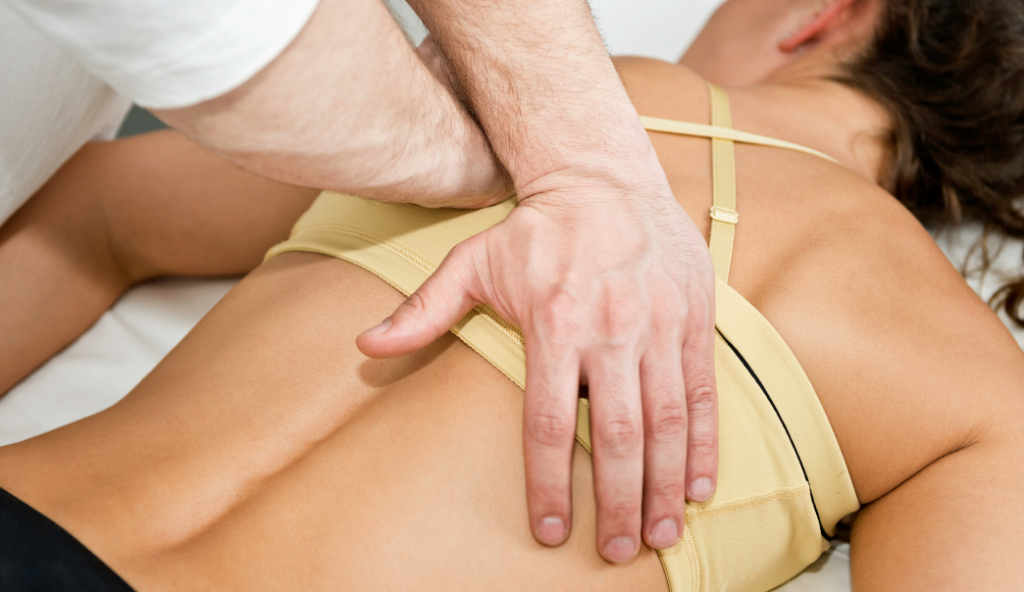
One of the primary goals of chiropractic care for sciatica is to reduce pressure on the sciatic nerve. Chiropractors achieve this through various techniques, such as spinal adjustments or spinal manipulations. These gentle and controlled movements help realign the spine, relieving nerve pressure and reducing pain. By restoring proper spinal alignment, chiropractors can address the underlying cause of sciatica and promote healing.
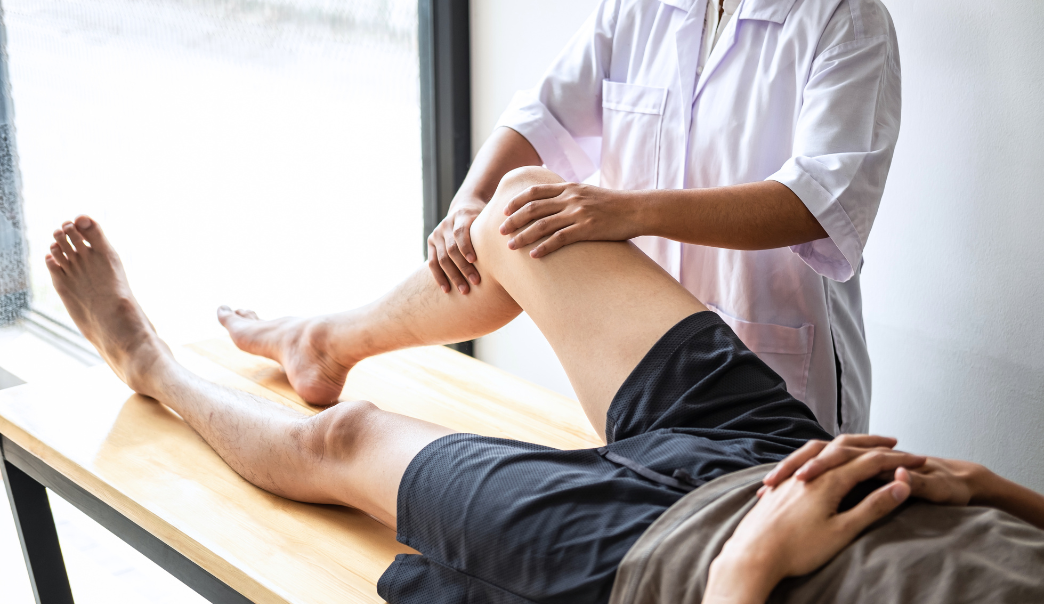
In addition to spinal adjustments, chiropractors may use other manual therapies to alleviate discomfort further and promote healing. For example, traction is a technique that involves applying a gentle pulling force to the spine, which helps decompress the affected area and relieve pressure on the sciatic nerve. This can provide significant pain relief and improve overall function.
Combining Therapies for Optimal Results
While chiropractic adjustments play a vital role in managing sciatica, complementary therapies can enhance the effectiveness of treatment. Chiropractors often incorporate other modalities to address the symptoms and underlying muscle imbalances or weaknesses contributing to sciatica.
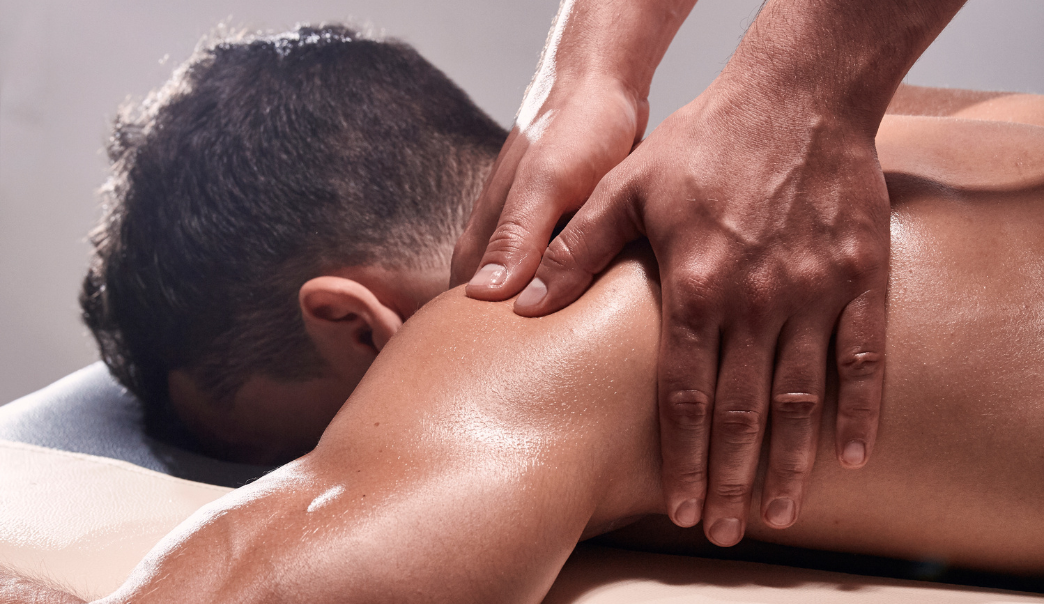
Massage therapy is one such complementary therapy that can benefit individuals with sciatica. It involves the manipulation of soft tissues, such as muscles and connective tissues, to improve blood circulation, reduce muscle tension, and promote relaxation. Massage therapy can help alleviate pain and improve overall function by targeting the affected muscles.
Acupuncture is another modality that chiropractors may use to manage sciatica. This ancient Chinese practice involves the insertion of thin needles into specific points on the body to stimulate energy flow and promote healing. Acupuncture is effective in reducing pain and inflammation associated with sciatica.
Physiotherapy exercises are often prescribed as part of a comprehensive chiropractic treatment plan for sciatica. These exercises aim to strengthen the muscles supporting the spine, improve flexibility, and correct any imbalances or weaknesses contributing to the condition. By addressing these underlying issues, physiotherapy exercises can help prevent future episodes of sciatica and improve overall spinal health.
Chiropractic care offers a holistic and non-invasive approach to managing sciatica. By addressing the condition’s root cause and incorporating complementary therapies, chiropractors can provide effective and personalized treatment plans for individuals suffering from sciatica. If you are experiencing sciatica symptoms, consider consulting a chiropractor to explore your treatment options and find relief.
Lifestyle Modifications and Ergonomic Tips
Alongside chiropractic care, making certain lifestyle modifications can significantly alleviate sciatica symptoms. Regular aerobic exercise, such as swimming or walking, helps strengthen the back and abdominal muscles, reducing the strain on the lower back.
Additionally, maintaining good posture, especially when sitting for long periods, can help prevent exacerbation of sciatica. Using ergonomic chairs or adding lumbar support to your seat can provide better spinal alignment and reduce the pressure on the sciatic nerve.
Furthermore, practicing proper lifting techniques and avoiding heavy lifting can help prevent sciatica-related injuries. If you’re unsure how to lift, your chiropractor can provide guidance and demonstrate safe lifting techniques.
Real Stories of Sciatica Relief
Many individuals have found long-lasting relief from sciatica through chiropractic care. It’s not uncommon to hear success stories of people who had debilitating pain but regained their quality of life with the help of chiropractic treatments.
One such success story is Samantha, a 42-year-old office worker who had been suffering from intense sciatic pain. After numerous failed attempts with medication and physical therapy, Samantha sought chiropractic care. Through a combination of gentle adjustments, massage therapy, and prescribed exercises, Samantha experienced a significant reduction in pain and regained her ability to perform daily activities without limitations.
These success stories serve as a testament to the effectiveness of chiropractic care for sciatica and as a source of hope for those currently experiencing this debilitating condition.
Preventing Sciatica: Taking Proactive Measures
While knowing how to manage sciatica effectively is essential, prevention is always better than cure. Taking proactive measures can significantly reduce the risk of developing sciatica or prevent its recurrence.
Regular exercise focusing on strengthening and stretching the back and abdominal muscles helps maintain the spine’s health and supports proper posture. Incorporating core-strengthening exercises, such as planks or yoga, into your routine can provide added stability to the lower back.
Maintaining a healthy weight is also crucial, as excess weight puts additional strain on the spine and can increase the risk of developing sciatica. Maintaining good posture, using appropriate lifting techniques, and avoiding prolonged sitting or standing in one position for extended periods can further minimize the risk of sciatica.
Long-term Management with Chiropractic Care
Chiropractic care for sciatica is not limited to short-term symptom relief. It offers long-term management by addressing the underlying causes and promoting spinal health. Regular chiropractic visits can help ensure that your spine remains properly aligned, reducing the risk of sciatic nerve irritation and future episodes of sciatica.
Your chiropractor may recommend periodic adjustments, exercises, or lifestyle modifications to maintain a healthy spine and prevent sciatica recurrence. By actively participating in your treatment plan and making the necessary lifestyle changes, you can enjoy a life free from the debilitating effects of sciatica.
What to Expect During Your Chiropractic Session
If you’re considering chiropractic care for your sciatica, you may be curious about what to expect during your session. The first step is a comprehensive consultation, where your chiropractor will discuss your medical history, evaluate your symptoms, and perform a physical examination.
Based on this assessment, your chiropractor will develop an individualized treatment plan tailored to your needs. This plan may include spinal adjustments, complementary therapies, and lifestyle recommendations. Your chiropractor will explain each step of the process, ensuring you feel comfortable and informed throughout your journey to sciatica relief.
Remember, chiropractic care is a partnership between you and your chiropractor. By actively participating and following the recommended treatment plan, you can maximize the effectiveness of your chiropractic care and take control of your sciatica for good.
Do you find yourself frequently dealing with back pain? If so, you may be experiencing dorsalgia. Dorsalgia, commonly known as back pain, can affect individuals of all ages and genders, and a variety of factors can cause it. This comprehensive overview will delve into dorsalgia’s different types and characteristics, explore its causes and risk factors, discuss the symptoms and diagnosis process, explore various treatment options, and provide prevention tips.
Whether you are currently dealing with dorsalgia or want to understand it better, this article will provide the needed knowledge.
Differentiating Dorsalgia: Types and Characteristics
Kicking off our exploration of dorsalgia, let’s first understand the different types and characteristics. Dorsalgia, commonly known as back pain, can be broadly classified into two categories: acute and chronic. Acute dorsalgia refers to sudden and severe pain that typically lasts for a short duration. In contrast, chronic dorsalgia is pain that persists for extended periods, typically over three months.
Within these categories, there are several specific types of dorsalgia. For instance, axial dorsalgia affects the central part of the back, while radicular dorsalgia radiates from the spine to other body parts. Axial dorsalgia is often associated with muscle strains, poor posture, or overuse injuries. In contrast, radicular dorsalgia is commonly caused by nerve compression, such as in cases of herniated discs or spinal stenosis. Understanding the characteristics and differences between these types of dorsalgia is crucial for accurate diagnosis and appropriate treatment.
Let’s delve deeper into the characteristics of acute and chronic dorsalgia to gain a better understanding.
Understanding Acute Dorsalgia
Acute dorsalgia often occurs suddenly, usually following an injury or trauma to the back. This type of back pain can be sharp and intense and may limit your ability to move comfortably. It can make even simple tasks difficult and can have a significant impact on your quality of life. Acute dorsalgia can be caused by various factors, including muscle strains, ligament sprains, or sudden movements that put excessive stress on the back.
When experiencing acute dorsalgia, it is essential to rest and avoid activities that exacerbate the pain. Applying ice packs or using over-the-counter pain medications can help alleviate the discomfort. Physical therapy exercises and gentle stretching may also be recommended to improve flexibility and strengthen the muscles supporting the back. The good news is that acute dorsalgia often resolves independently with proper care and self-management techniques.
Unpacking Chronic Dorsalgia
Unlike acute dorsalgia, chronic dorsalgia is a persistent condition that can significantly affect an individual’s daily life. It may arise due to an unresolved sensitive case, but it can also emerge gradually without any specific injury or trauma. Chronic dorsalgia is often associated with underlying medical conditions such as arthritis, degenerative disc disease, or fibromyalgia.
Living with chronic dorsalgia can be challenging, as the pain may be constant or intermittent, and it can interfere with work, sleep, and overall quality of life. Individuals with chronic dorsalgia may experience muscle stiffness, decreased range of motion, and fatigue. It is essential to seek the assistance of healthcare professionals for an accurate diagnosis and personalized treatment plan.
Treatment options for chronic dorsalgia may include a combination of medication, physical therapy, chiropractic care, and alternative therapies such as acupuncture or massage. In some cases, surgical intervention may be necessary to alleviate the underlying cause of the pain.
It is important to remember that each individual’s experience with dorsalgia is unique, and treatment plans should be tailored to address their specific needs and circumstances. By understanding the types and characteristics of dorsalgia, healthcare professionals can provide appropriate care and support to help individuals manage their pain effectively and improve their overall well-being.
Causes and Risk Factors of Dorsalgia
Now that we have explored dorsalgia’s different types and characteristics, let’s focus on understanding this condition’s causes and risk factors. Dorsalgia, commonly known as back pain, can have various underlying causes, ranging from muscle strains and sprains to more severe spinal conditions.
Poor Posture
One of the most common causes of dorsalgia is poor posture. Many individuals spend long hours sitting or standing in positions that strain the muscles and ligaments of the back. Over time, this can lead to muscle imbalances and chronic pain. Similarly, a sedentary lifestyle, characterized by a lack of physical activity, can weaken the muscles that support the spine, making individuals more susceptible to back pain.
Obesity
Obesity is another significant risk factor for dorsalgia. Excess weight stresses the spine, increasing pressure on the intervertebral discs and joints. This can result in inflammation, pain, and reduced mobility. Age-related degeneration is also a common cause of dorsalgia. As we age, the discs in our spine naturally lose their cushioning ability, leading to herniated discs and spinal stenosis.
While physical factors play a significant role in the development of back pain and stiffness, trauma from accidents or sports injuries can also be a cause. Sudden impacts or excessive force on the back can result in sprains, strains, or fractures, leading to acute or chronic pain. It is essential to seek medical attention after such incidents to prevent further complications.
Heavy Lifting and Prolonged Sitting
In addition to the causes mentioned above, several risk factors can increase the likelihood of developing dorsalgia. Individuals who engage in repetitive activities, such as heavy lifting or prolonged sitting, are at a higher risk of experiencing back pain. The repetitive stress on the back can lead to muscle fatigue and strain. Moreover, smoking, which affects blood flow and oxygen supply to tissues, can also contribute to the development of dorsalgia. The chemicals in cigarettes can damage the spinal discs and impair the body’s natural healing process.
Furthermore, psychological factors such as stress, anxiety, and depression can exacerbate existing back pain or increase the risk of developing it. When under stress, the body releases stress hormones that can cause muscle tension and tightness, leading to discomfort and pain in the back. Additionally, individuals who experience chronic stress or have underlying mental health conditions may be more prone to adopting poor posture or engaging in unhealthy habits that contribute to dorsalgia.
It is important to note that dorsalgia’s causes and risk factors can vary from person to person. While some individuals may develop back pain due to a specific cause, others may experience a combination of factors contributing to their condition. Understanding these causes and risk factors can help individuals make lifestyle changes and seek appropriate treatment to manage and prevent dorsalgia.
Symptoms and Diagnosis of Dorsalgia
Recognizing the symptoms of dorsalgia and obtaining an accurate diagnosis is crucial for effective management. The primary symptom of dorsalgia, of course, is pain in the back region. However, the pain can vary in intensity, location, and duration, depending on the underlying cause. Some individuals may experience a dull, constant ache, while others may feel sharp, shooting pain.
In addition to pain, other common symptoms of dorsalgia include stiffness, limited range of motion, muscle weakness, and radiating pain that extends to the arms or legs. If you experience these symptoms, you must visit a healthcare professional for a thorough examination and diagnosis. Medical professionals may use a combination of physical examination, imaging tests, and medical history analysis to determine the underlying cause of your dorsalgia.
Treatment Options for Dorsalgia
Regarding managing back pain, several treatment options are available, depending on the severity and underlying cause of the pain. The initial approach to treatment typically involves conservative measures such as rest, ice or heat therapy, over-the-counter pain medications, and gentle stretching exercises. These measures aim to reduce pain and inflammation and promote healing.
If conservative measures do not provide sufficient relief, healthcare professionals may recommend more advanced treatments. Physical therapy, chiropractic care, and acupuncture are the non-surgical interventions that can help alleviate dorsalgia symptoms. In some cases, when conservative treatments fail to provide relief, a surgical procedure may be necessary to address the underlying cause of the pain.
Role of Physical Therapy and Chiropractic Care
Physical therapy plays a pivotal role in the management of dorsalgia. Physical therapists can design customized exercise programs to strengthen the muscles supporting the spine, improve flexibility, and correct postural imbalances. On the other hand, chiropractic care focuses on spinal manipulation and adjustment techniques to relieve pain, restore joint mobility, and improve overall spinal health.
Lifestyle Changes and Home Remedies for Dorsalgia Relief
In addition to professional treatments, making lifestyle changes and using home remedies can provide supplementary relief for dorsalgia. Maintaining a healthy weight, practicing good posture, and incorporating regular exercise into your routine can help prevent and manage back pain. Additionally, applying hot or cold packs, taking warm baths, and using over-the-counter topical analgesics can temporarily relieve acute episodes of dorsalgia.
Stress-reducing activities like yoga, meditation, and deep breathing exercises can also help alleviate dorsalgia symptoms. It is essential to note that these lifestyle changes and home remedies work best when combined with professional guidance and appropriate medical advice. Consulting with healthcare professionals will ensure these strategies are safe and effective for your condition.
Dorsalgia in Athletes: A Special Consideration
Athletes, both amateur and professional, often face unique challenges when managing dorsalgia. The demands of their rigorous training, intense physical activity, and individual sports can contribute to developing or exacerbating back pain. Athletes must prioritize their spine health and work closely with healthcare professionals specializing in sports medicine.
Prevention becomes crucial for athletes. Proper warm-up and cool-down exercises, incorporating core strengthening routines, and using the right equipment and techniques are essential in reducing the risk of dorsalgia. Athletes should also focus on maintaining overall fitness and flexibility to support their spine and minimize the impact of physical stress on their backs.
Preventing Dorsalgia: Tips and Strategies
Prevention is always better than cure, and the same applies to dorsalgia. By taking proactive measures, you can significantly reduce the likelihood of experiencing back pain. One of the critical strategies for preventing dorsalgia is maintaining a healthy lifestyle. Regular exercise, a balanced diet, and avoiding tobacco use can aid in maintaining optimal spine health and overall well-being.
Additionally, good posture is essential, especially during activities such as sitting, standing, and lifting heavy objects. Using ergonomic furniture and taking frequent breaks from prolonged sitting can also help reduce the strain on your back. Regular stretching and strengthening exercises focusing on the back and core muscles can enhance back stability and minimize the risk of dorsalgia.
When to Seek Medical Advice for your back pain
While many cases of dorsalgia can be managed with self-care and conservative measures, there are situations where seeking medical advice is crucial. If you experience persistent or worsening pain that does not improve with rest and self-management, it is essential to consult with a healthcare professional. Similarly, prompt evaluation by a medical professional is warranted if you notice any accompanying symptoms such as numbness, tingling, or weakness in your extremities.
It is also crucial to seek immediate medical attention if your dorsalgia is the result of a significant injury, such as a fall, car accident, or sports-related trauma. In these cases, a thorough evaluation is necessary to rule out any severe spinal injuries or fractures. Remember, early medical intervention and appropriate treatment can contribute to a more successful recovery and prevent potential complications.
Future Directions in Dorsalgia Research and Treatment
As medical knowledge advances, researchers and healthcare professionals continually explore new avenues for understanding and managing dorsalgia. Emerging technologies, such as virtual reality and artificial intelligence, show promise in providing innovative treatment approaches. Additionally, ongoing research is focused on identifying molecular targets and developing novel pharmacological interventions to reduce pain and promote healing.
Furthermore, there is an increasing emphasis on personalized medicine in dorsalgia. Tailoring treatments based on an individual’s unique characteristics and genetic makeup holds significant potential for optimizing outcomes and reducing the burden of dorsalgia. With the constant advancements in research and treatment options, the future looks promising for individuals with dorsalgia.
Dorsalgia can significantly impact an individual’s quality of life. Understanding the different types, causes, symptoms, and available treatment options is crucial for effective management. By incorporating lifestyle changes, seeking professional guidance, and practicing preventive strategies, individuals can minimize the risk of developing dorsalgia and enhance their overall spine health. Early intervention and comprehensive care are essential to long-term relief and improved well-being.
Upper back tension is a common issue that many people experience. This discomfort can be challenging, whether caused by poor posture, stress, or muscle imbalances. This article will explore various stretches and exercises to help alleviate upper back tension and promote better overall health.
Stretch 1: Shoulder Blade Squeeze
One effective stretch for relieving upper back tension is the shoulder blade squeeze. To perform this stretch, start by sitting or standing up straight with your shoulders relaxed. Then, gently squeeze your shoulder blades together as if you’re trying to hold a pencil between them. Hold this position for 10-15 seconds and release. Repeat this stretch 5-10 times to help relax and strengthen the muscles in your upper back.
The shoulder blade squeeze is a simple yet effective stretch that targets the muscles in your upper back, specifically the rhomboids and trapezius. These muscles play a crucial role in maintaining good posture and shoulder stability. Regularly performing the shoulder blade squeeze can help alleviate tension and tightness in this area, promoting better posture and reducing the risk of upper back pain.
When performing the shoulder blade squeeze, it’s essential to maintain proper form. Keep your shoulders relaxed and avoid shrugging them up towards your ears. Instead, imagine gently pulling your shoulder blades down and towards each other, slightly contracting your upper back muscles.
In addition to relieving tension, the shoulder blade squeeze also helps to strengthen the muscles in your upper back. As you squeeze your shoulder blades together, you engage the rhomboids and trapezius, which are responsible for retracting and stabilizing the shoulder blades. Regularly incorporating this stretch into your routine can help improve the strength and endurance of these muscles, leading to better posture and reduced risk of injuries.
It’s important to note that while the shoulder blade squeeze is generally safe for most individuals, it’s always a good idea to consult with a healthcare professional or a qualified fitness instructor before starting any new exercise or stretching routine, especially if you have a pre-existing condition or injury.
The shoulder blade squeeze is a simple and effective stretch for relieving upper back tension. By incorporating this stretch into your routine, you can help relax and strengthen the muscles in your upper back, promoting better posture and reducing the risk of pain and injuries. Always listen to your body and consult a professional with concerns or questions.
Stretch 2: Cat-Cow Pose
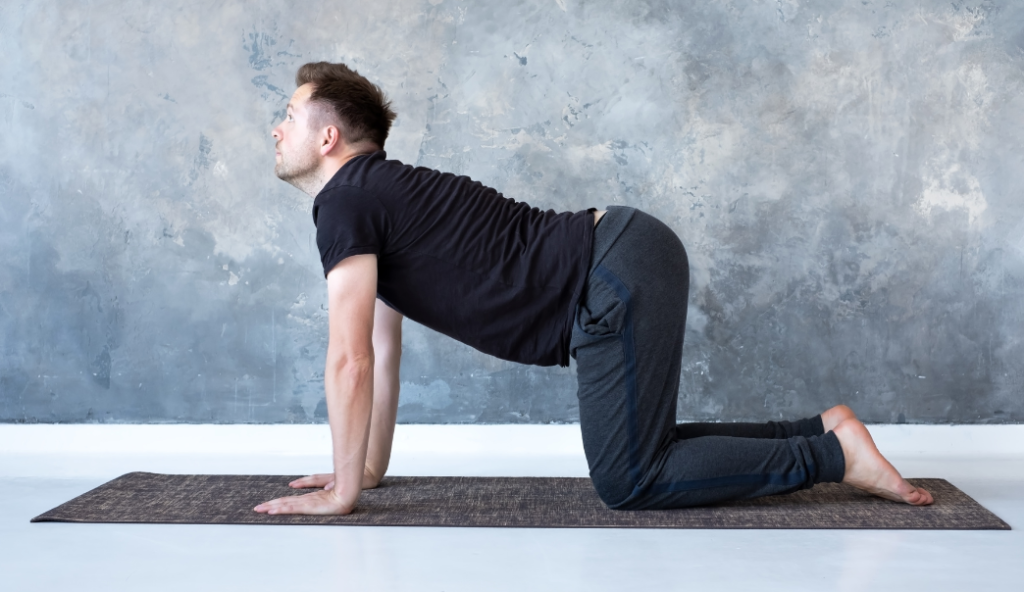
Another great stretch to target the upper back is the cat-cow pose. This pose not only helps to increase spine flexibility but also releases neck and shoulder tension. It is a gentle and flowing movement that anyone can do, regardless of their fitness level.
To begin, find a comfortable space and get down on all fours with your hands directly below your shoulders and your knees below your hips. Take a moment to ground yourself, feeling the connection between your hands and the floor beneath you. Close your eyes and take a deep breath in, allowing your body to relax.
As you inhale, slowly arch your back and lift your chest towards the ceiling, allowing your belly to sink towards the floor. This is the cow pose. Feel the gentle stretch in your spine as you lengthen through the crown of your head. Take a moment to pause in this position, feeling the expansion in your chest and the opening in your heart.
Then, as you exhale, slowly round your spine upwards, tucking your chin towards your chest and drawing your belly in towards your spine. This is the cat pose. Feel the stretch in your upper back as you gently push the floor away with your hands. Allow your breath to guide your movement, flowing smoothly between the two poses.
Repeat the cat-cow sequence 5-10 times, moving with your breath. As you continue the movement, notice any tension or tightness in your upper back. Aim to release more with each repetition, allowing your body to soften and relax. Feel the gentle massage-like effect on your spine as you move through the poses.
As you practice the cat-cow pose, pay attention to the sensations in your body. Notice how the movement affects your breath and how the breath affects the movement. Allow yourself to fully immerse in the present moment, letting go of any thoughts or distractions.
Remember to listen to your body and modify the poses as needed. If you experience any pain or discomfort, ease off and find a variation that feels more comfortable for you. The cat-cow pose is a gentle and nurturing stretch, so honor your body’s limits and always practice with awareness.
By incorporating the cat-cow pose into your regular stretching routine, you can improve the flexibility and mobility of your upper back. This stretch is particularly beneficial for those who spend long hours sitting or working at a desk, as it helps to counteract the effects of poor posture and a sedentary lifestyle.
So, indulge in the soothing and rejuvenating cat-cow pose for a few moments each day. Your upper back will thank you for it, and you’ll feel renewed vitality and well-being.
Stretch 3: Thoracic Extension Stretch
The thoracic extension stretch is a simple yet effective exercise that relieves upper back tension. This stretch specifically targets the thoracic spine, the middle region of the spine between the cervical (neck) and lumbar (lower back) regions. By incorporating this stretch into your routine, you can improve thoracic mobility and reduce tension in the upper back.
To perform the thoracic extension stretch, find a comfortable chair and sit on the edge with your feet flat on the floor. This position ensures stability and allows you to focus solely on the stretch. Take a moment to relax and prepare yourself mentally for the exercise.
Once ready, interlock your fingers behind your head, with your elbows pointing outwards. This hand position helps to support your neck and upper back during the stretch. Take a deep breath in, and gently arch your upper back backward as you exhale.
As you arch your upper back, focus on lengthening your spine and opening the chest. Imagine that you are trying to create space between each vertebra in your thoracic spine. This conscious effort will enhance the effectiveness of the stretch.
While maintaining the arch in your upper back, allow your head to tilt slightly back, directing your gaze towards the ceiling. This movement further extends the thoracic spine and intensifies the stretch. However, be cautious not to strain your neck or overextend your back.
Hold this position for 10-15 seconds, feeling a gentle stretch in your upper back. It is important to remember that this stretch should not cause any pain. If you experience discomfort, ease off the stretch slightly until you find a comfortable position.
After holding the stretch, slowly return to the starting position by returning your head and upper back to an upright position. Take a moment to relax and assess how your upper back feels after the stretch.
Repeat the thoracic extension stretch 5-10 times, gradually increasing the number of repetitions as your flexibility improves. Pay attention to your body’s response each time you perform this stretch and adjust the intensity accordingly.
By incorporating the thoracic extension stretch into your routine, you can experience the long-term benefits of improved thoracic mobility and reduced tension in the upper back. This stretch is particularly beneficial for individuals who spend long hours sitting or working at a desk, as it helps counteract the forward hunching posture often associated with these activities.
Always consult a healthcare professional or a qualified fitness instructor before starting any new exercise program, especially if you have pre-existing medical conditions or injuries. They can provide personalized guidance and ensure that the thoracic extension stretch suits your needs.
Stretch 4: Child’s Pose with Upper Back Focus
The child’s pose is a relaxing stretch that targets the entire back, including the upper back. Begin by kneeling on the floor with your knees hip-width apart. Lower your buttocks towards your heels and extend your arms forward, resting your forehead on the mat. Take deep breaths and allow your upper back to relax and release tension. Hold this pose for 1-2 minutes or as long as comfortable.
Stretch 5: Seated Twist for Upper Back
A seated twist is a fantastic stretch to release tension in the upper back and improve spinal mobility. Start by sitting on a chair with your feet flat on the floor. Place your right hand on the outside of your left thigh and gently twist towards the left, using your left hand to support and deepen the stretch. Hold this position for 10-15 seconds, then repeat on the other side. Perform the seated twist 5-10 times on each side to help alleviate upper back tension.
Stretch 6: Door Frame Stretch
The door frame stretch is an excellent stretch to open up the chest and relieve tension in the upper back. Stand facing a door frame and place your forearms against the frame at shoulder height. Step one foot forward, keeping your elbows and forearms in contact with the frame. Lean forward slightly, feeling a stretch through your shoulders and upper back. Hold this position for 10-15 seconds, then switch the position of your feet and repeat. Perform this stretch 5-10 times to loosen tight muscles in the upper back.
Stretch 7: Neck Tilts and Rotations
Neck tilts and rotations are simple yet effective stretches for reducing upper back and neck tension. Begin by sitting or standing up straight with your shoulders relaxed. Slowly tilt your head towards one shoulder, feeling a gentle stretch on the opposite side of your neck. Hold this position for 10-15 seconds, then return your head to the center. Repeat this stretch on the other side. For neck rotations, gently rotate your head to one side, hold for a few seconds, then turn to the other. Perform these stretches 5-10 times to relieve upper back tension and improve neck flexibility.
Incorporating These Stretches into Your Daily Routine
Now that you know these beneficial stretches for upper back tension relief, it’s time to incorporate them into your daily routine. Consistency is key when it comes to addressing muscle tension and tightness. Choose a time of day that works best for you, and set aside a few minutes each day to perform these stretches. Whether in the morning, during a break at work, or before bedtime, find a routine that suits your lifestyle and commit to it. Making these stretches a regular part of your day can reduce upper back tension and improve overall well-being.
Additional Tips for Upper Back Tension Relief
In addition to incorporating the stretches mentioned above, there are a few other tips you can follow to help alleviate upper back tension. First, be mindful of your posture throughout the day. Sit and stand straight, with your shoulders relaxed and your back aligned. Avoid prolonged periods of sitting or standing in the same position, as this can contribute to muscle imbalances and tension.
Regular breaks to stretch and move can also help prevent upper back tension from building up. Additionally, consider incorporating exercises that strengthen the muscles in your upper back, such as rows or pull-ups. Building strength in these muscles can provide support and alleviate tension. Lastly, managing stress levels through relaxation techniques, such as deep breathing or meditation, can also positively impact your upper back health.
Maintaining Upper Back Health
Taking care of your upper back is essential for maintaining overall health and well-being. By incorporating these stretches into your daily routine, paying attention to your posture, and managing stress levels, you can effectively alleviate upper back tension and improve the quality of your life. Remember, it’s essential to listen to your body and consult a healthcare professional if you experience persistent or severe upper back pain. With consistency and dedication, you can enjoy a healthy and pain-free upper back.
Sports massage has long been recognized as crucial in an athlete’s training and recovery program. As athletes push their bodies to the limit, sports massage provides numerous benefits. In this article, we will explore the critical advantages of sports massage and how it can contribute to their overall performance and well-being.
Essential Techniques in Sports Massage for Peak Performance
Athletes often turn to sports massage to enhance their performance. One of the critical techniques used in sports massage is deep tissue massage. Targeting the deeper layers of muscles and connective tissues helps release muscle tension, improve flexibility, and increase blood flow to the muscles.
Deep Tissue Massage
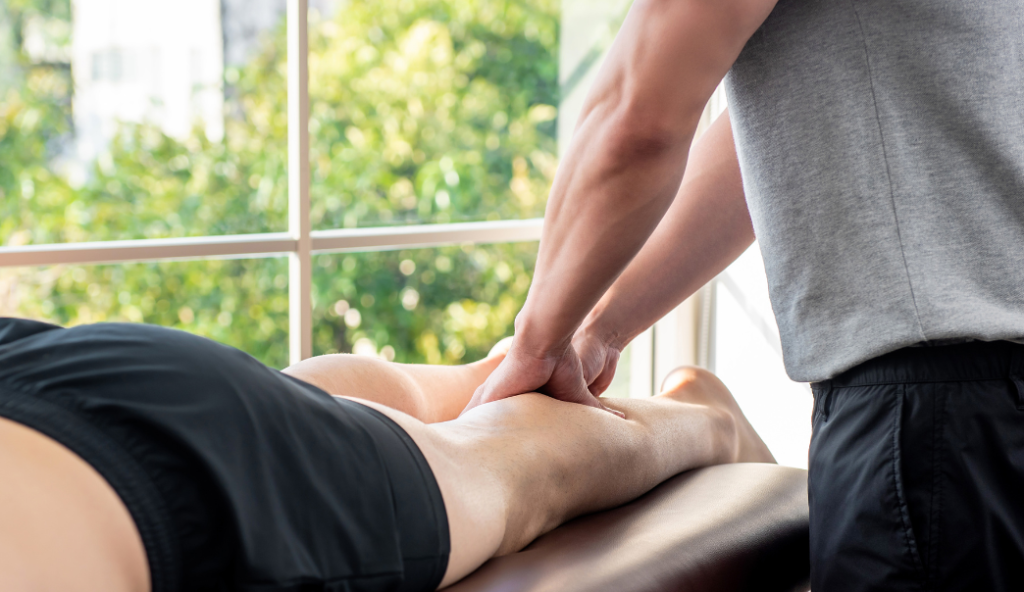
Deep tissue massage involves applying firm pressure and slow strokes to reach the underlying muscles. This technique is particularly beneficial for athletes who engage in intense physical activities, as it helps break down adhesions and scar tissues that can develop from repetitive motions or injuries. By releasing these adhesions, deep-tissue massage promotes a better range of motion and reduces the risk of future injuries.
Effleurage and Petrissage
In addition to deep tissue massage, sports massage therapists utilize techniques such as effleurage and petrissage. Effleurage involves long, sweeping strokes that help warm up the muscles and prepare them for more profound work. This technique stimulates blood circulation, improving the delivery of oxygen and nutrients to the muscles.
Petrissage, on the other hand, involves kneading, rolling, and squeezing the muscles. This technique helps break up muscle knots and adhesions while promoting relaxation and reducing muscle soreness. By incorporating effleurage and petrissage into a sports massage session, therapists can address the superficial and deeper layers of muscles, ensuring a comprehensive treatment.
When combined with the expertise of a skilled sports massage therapist, these techniques can significantly improve an athlete’s performance. The therapist’s knowledge of anatomy and physiology allows them to identify specific areas of tension or imbalance in an athlete’s body. The therapist can help restore balance, enhance muscle function, and improve overall athletic performance by targeting these areas during the massage.
Massages for Faster Muscle Recovery
Furthermore, sports massage benefits athletes during training and competition and is crucial to their recovery. After an intense workout or competition, athletes may experience muscle soreness, fatigue, and even minor injuries. Sports massage can help speed recovery by reducing inflammation, promoting muscle relaxation, and increasing blood flow to the affected areas.
Regular sports massage sessions can also contribute to injury prevention. By addressing muscle imbalances, tightness, and areas of weakness, sports massage can help athletes identify and correct potential issues before they develop into more severe injuries. This proactive approach to injury prevention can ultimately prolong an athlete’s career and keep them performing at their peak.
Sports Massage in Injury Prevention and Recovery
While sports massage is well-known for its benefits in enhancing performance, it also plays a crucial role in preventing injuries and aiding in recovery. By incorporating sports massage into their regular training routine, athletes can reduce the risk of developing sports-related injuries such as sprains, strains, and muscle imbalances. Sports massage can also speed up the recovery process by promoting muscle healing, reducing inflammation, and eliminating metabolic waste products from the body.
In addition to these primary benefits, sports massage offers a range of secondary advantages that contribute to an athlete’s overall well-being. One such advantage is the improvement in circulation that occurs during a sports massage session. As the therapist applies various techniques, blood flow to the muscles increases, delivering oxygen and nutrients while removing waste products. This enhanced circulation not only aids in recovery but also helps prevent muscle fatigue and cramping during intense physical activity.
Another lesser-known benefit of sports massage is its impact on the nervous system. The therapist can use specific massage techniques to stimulate the parasympathetic nervous system, promoting relaxation and reducing stress levels. This can be particularly beneficial for athletes who often experience high levels of physical and mental stress. By incorporating sports massage into their routine, athletes can better balance their sympathetic and parasympathetic nervous systems, leading to improved overall performance and well-being.
The Role of Stretching in Sports Massage
In addition to massage techniques, stretching is an integral part of sports massage for both injury prevention and recovery. Stretching exercises and targeted massage techniques help increase joint range of motion, improve muscle elasticity, and prevent muscle imbalances. Whether it’s passive stretching, active stretching, or proprioceptive neuromuscular facilitation (PNF) stretching, incorporating stretching into sports massage can be highly effective in maintaining and restoring an athlete’s physical well-being.
Stretching not only improves flexibility but also enhances muscle coordination and balance. By incorporating stretching into a sports massage session, the therapist can address any imbalances or tightness in the muscles, helping the athlete achieve optimal performance. Additionally, stretching can help prevent overuse injuries by ensuring that muscles and tendons are properly conditioned and prepared for the demands of intense physical activity.
Furthermore, stretching during a sports massage session can provide a valuable opportunity for the therapist to assess an athlete’s flexibility and identify any areas of concern. This allows for a more targeted and personalized approach to the massage, ensuring that the athlete receives the most effective treatment for their needs.
The Importance of Proper Body Mechanics
Regarding sports massage, the therapist’s body mechanics are crucial in ensuring optimal results. Proper body mechanics refer to the therapist’s posture, positioning, and massage techniques. By maintaining good body mechanics, therapists can apply the right amount of pressure, minimize strain on their bodies, and effectively target the areas that require attention. This not only enhances the effectiveness of the massage but also reduces the risk of injury to both the therapist and the athlete.
Additionally, proper body mechanics can contribute to the overall comfort and relaxation of the athlete during the massage. By adopting a stable and balanced posture, the therapist can create a sense of trust and security, allowing the athlete to relax and benefit from the treatment entirely. This relaxed state enhances the massage’s physical effects and promotes mental and emotional well-being.
Furthermore, maintaining proper body mechanics is essential for the longevity of a sports massage therapist’s career. By using efficient and ergonomic techniques, therapists can minimize the risk of developing musculoskeletal injuries or chronic pain conditions. This ensures that they can continue providing high-quality care to athletes for years.
Tailoring Sports Massage to Individual Athlete Needs
Every athlete is unique and has specific needs regarding their training and recovery. Sports massage therapists excel in tailoring their techniques and approaches to meet these individual needs. The massage therapist can develop a personalized treatment plan by conducting thorough assessments and considering an athlete’s goals, preferences, and existing conditions. This individualized approach ensures that athletes receive the maximum benefits from sports massage, allowing them to perform at their best.
Different People Need Different Treatment
When it comes to sports massage, one size does not fit all. Athletes come from various backgrounds and have different training regimens, so their bodies require specific attention. A skilled sports massage therapist understands this and takes the time to assess each athlete’s unique needs. They consider factors such as the athlete’s sport, training intensity, and any areas of concern or injury.
During the assessment phase, the therapist may ask the athlete about their training routine, including the frequency and duration of their workouts. This information helps the therapist understand the demands on the athlete’s body and identify areas that may require extra attention. For example, a long-distance runner may have tight hip flexors and calves due to the repetitive nature of their sport, while a weightlifter may have tension in their shoulders and lower back from heavy lifting.
Developing a Personalized Plan
Once the assessment is complete, the sports massage therapist can develop a personalized treatment plan addressing the athlete’s needs. This plan may include a combination of techniques such as deep tissue massage, myofascial release, stretching, and trigger point therapy. The therapist will also consider the athlete’s preferences, as some individuals may prefer a more intense massage while others may prefer a gentler approach.
During the sports massage session, the therapist will focus on the areas identified during the assessment. They will use their knowledge of anatomy and physiology to apply the appropriate techniques and pressure to release tension, improve circulation, and promote relaxation. The therapist may also guide self-care techniques and stretches that the athlete can incorporate into their daily routine to enhance the benefits of the massage.
Creating a Supportive and Motivated Environment
In addition to addressing the athlete’s physical needs, sports massage therapists also understand the importance of creating a supportive and comfortable environment. They strive to establish a rapport with the athlete, ensuring open communication and trust. This allows the athlete to feel at ease during the session, enhancing the overall experience and promoting well-being.
By tailoring sports massage to individual athlete needs, therapists can help athletes optimize their performance, prevent injuries, and enhance their overall well-being. Whether a professional athlete preparing for a competition or a recreational athlete recovering from a challenging workout, a personalized sports massage can significantly impact their training and recovery journey.
Case Studies: Sports Massage Success Stories
Countless athletes have experienced the transformative effects of sports massage. Let’s delve into a few inspiring case studies that highlight the power of sports massage in enhancing performance, preventing injuries, and aiding in recovery.
Integrating Sports Massage into Training Regimens
For athletes, incorporating sports massage into their training regimens is a game-changer. Regularly integrating sports massage helps athletes maintain balance in their musculoskeletal system, prevent overuse injuries, and optimize their overall physical condition. By working closely with their massage therapists and making sports massage an integral part of their fitness routine, athletes can reach new heights of performance and achieve their goals.
Navigating Common Misconceptions About Sports Massage
Despite its proven benefits, sports massage still faces misconceptions that deserve attention. Let’s address a few common myths and set the record straight:
Myth 1: Sports massage is only for professional athletes.
Myth 2: Sports massage is painful and uncomfortable.
Myth 3: Sports massage is a luxury, not a necessity.
By debunking these misconceptions, we hope to encourage more athletes of all levels to explore the extraordinary advantages of sports massage.
Expert Insights: What Athletes Should Know
Who better to shed light on the benefits of sports massage than experts in the field? We contacted leading sports massage therapists and asked them to share their insights and advice for athletes. Let’s discover what they have to say about unlocking the full potential of sports massage for athletic excellence.
The Future of Sports Massage in Athletic Care
As sports science and therapeutic techniques continue to evolve, the future of sports massage appears promising. With technological advancements, research, and training methodologies, we can expect sports massage to become an even more integral part of athletic care. This includes the development of specialized massage techniques and tools that cater to various sports-specific needs. By embracing these advancements, athletes can unlock new levels of performance and well-being.
Embracing Sports Massage for Athletic Excellence
Sports massage offers many benefits for athletes, from enhancing performance to preventing injuries and aiding in recovery. By utilizing key techniques, customizing treatments to individual needs, and integrating sports massage into their training regimens, athletes can unlock their full potential and achieve athletic excellence. Let’s embrace the power of sports massage and optimize our physical well-being for a successful and fulfilling athletic journey.
Athletes are no strangers to injuries. It comes with the territory of pushing their bodies to the limits in pursuit of greatness. While some injuries may be minor and easily manageable, others can be debilitating and require extensive rehabilitation. This is where the role of an athlete chiropractor becomes invaluable.
These healthcare professionals specialize in providing chiropractic care explicitly tailored to athletes, aiding in their recovery and helping them get back on track. In this article, we will explore the crucial role that athletic chiropractors play in the road to recovery for athletes.
The Role of an Athlete Chiropractor in Recovery
Understanding Common Sports Injuries
First and foremost, chiropractors have in-depth knowledge of common sports injuries. They understand the anatomy of the body and the mechanisms of injuries that athletes are most prone to. From sprains and strains to tendonitis and stress fractures, athlete chiropractors can identify and diagnose these injuries with precision. This understanding allows them to develop targeted treatment plans that address the specific needs of each athlete’s injury.
Athlete chiropractors also recognize how injuries can impact an athlete’s overall well-being. Injuries hinder physical performance and can also take a toll mentally and emotionally. By empathizing with athletes and providing support, chiropractors help athletes navigate recovery more effectively.
Furthermore, chiropractors specializing in athletic performance stay up-to-date with the latest research and advancements in sports medicine. They continuously expand their knowledge to ensure they have the most effective techniques and treatments for various sports injuries.
Developing Personalized Rehabilitation Programs
One of the critical roles of an athlete chiropractor is to develop personalized rehabilitation programs for their patients. Each athlete and injury is unique, requiring an individualized approach. By thoroughly assessing the athlete’s condition and goals, chiropractors can design rehabilitation programs to strengthen weak areas, improve flexibility, and enhance overall performance.
These programs often incorporate techniques and modalities, such as therapeutic exercises, spinal adjustments, and soft tissue therapies. Through consistent monitoring and adjustments, athlete chiropractors ensure that athletes progress optimally and avoid setbacks during their recovery.
Moreover, athlete chiropractors understand the importance of a holistic approach to rehabilitation. They consider factors beyond the injury, such as an athlete’s lifestyle, nutrition, and sleep patterns. By addressing these aspects, chiropractors promote overall wellness and facilitate a faster and more complete recovery.
Utilizing Specialized Techniques
Athlete chiropractors are skilled in various specialized techniques that can significantly contribute to recovery. For example, Active Release Technique (ART) is a manual therapy technique used to treat soft tissue injuries by precisely targeting and applying tension to affected muscles, tendons, and ligaments. This technique can help athletes regain range of motion and reduce pain.
Instrument-assisted soft tissue mobilization (IASTM) is another technique athlete chiropractors may employ. By using specialized tools, chiropractors can detect and address scar tissue and myofascial restrictions, restoring normal tissue function and reducing pain and inflammation.
In addition to these techniques, athlete chiropractors may incorporate other modalities such as ultrasound therapy, electrical stimulation, and cold laser therapy. These modalities can further enhance the healing process and promote tissue regeneration.
Collaborating with Other Healthcare Professionals
Recovery is a multidisciplinary process, often requiring collaboration between various healthcare professionals. Athletic Chiropractors understand the importance of teamwork and regularly collaborate with other professionals, such as physical therapists, orthopedic surgeons, and sports medicine doctors.
These professionals can combine their expertise to ensure that athletes receive comprehensive care. This collaborative approach enhances the recovery process and minimizes the risk of future injuries by addressing underlying causes and imbalances that may have contributed to the initial injury.
Chiropractors who specialize in athletic performance actively participate in interdisciplinary conferences and seminars to stay connected with the latest advancements in sports medicine. This continuous learning and collaboration allow them to provide the highest care to their athlete patients.
Monitoring Progress and Adjusting Treatments
Throughout the recovery journey, athletic chiropractors play a vital role in monitoring athletes’ progress and adjusting treatments accordingly. They closely track athletes’ improvement, evaluating pain levels, range of motion, and overall performance.
Based on these assessments, chiropractors can modify rehabilitation programs, implement new techniques, or recommend complementary treatments to optimize athletes’ recovery. This ongoing evaluation ensures that athletes receive the most effective care and progress toward their goals safely and efficiently.
Athlete chiropractors also guide athletes on self-care techniques and exercises they can perform at home to support their recovery. They educate athletes on proper body mechanics and movement patterns to prevent further injury and promote long-term health.
Emphasizing the Importance of Post-Injury Care and Maintenance
The role of an athlete chiropractor extends beyond recovery from acute injuries. They also emphasize the importance of post-injury care and maintenance to prevent future injuries and optimize long-term performance.
Athlete chiropractors educate athletes on proper biomechanics, injury prevention strategies, and exercises that promote strength and stability. They empower athletes with the knowledge and tools necessary to maintain their bodies and minimize re-injury risk.
In addition, athlete chiropractors guide nutrition and supplementation to support athletes’ overall health and recovery. They may collaborate with sports nutritionists to develop personalized meal plans that optimize performance and aid healing.
Success stories can inspire and motivate athletes throughout their recovery process. Chiropractors who work with athletes often share success stories of other athletes who have overcome similar injuries.
By showcasing the progress and achievements of these athletes, chiropractors instill hope and confidence in their patients. This positive reinforcement fuels athletes’ determination to overcome obstacles and achieve recovery milestones.
Athlete chiropractors may also organize support groups or online communities where athletes can connect with others who have experienced similar injuries. These platforms allow athletes to share their stories, exchange advice, and find encouragement during their recovery journey.
Continuing Care: Preventing Future Injuries
Once an athlete has successfully recovered from an injury, the role of an athlete chiropractor doesn’t end. They are crucial in continuing care, helping athletes maintain optimal physical condition and prevent future injuries.
Athlete chiropractors work closely with athletes to develop personalized maintenance programs, including regular chiropractic adjustments, exercises, and proactive injury prevention strategies. By remaining proactive, athletes can stay in peak condition and continue to perform at their best.
Furthermore, chiropractors can educate athletes on the importance of proper warm-up and cool-down routines and the significance of rest and recovery in preventing overuse injuries. They also educate athletes on the warning signs of potential injuries, empowering them to take early action and seek appropriate treatment.
Taking a proactive and comprehensive approach to care, athlete chiropractors play a vital role in helping athletes achieve long-term success in their athletic endeavors.
When it comes to recovering athletes, the role of an athlete chiropractor is indispensable. Their specialized knowledge, personalized rehabilitation programs, and collaboration with other healthcare professionals can make a difference in an athlete’s journey to recovery.
Chiropractors ensure athletes recover from injuries and optimize their long-term performance by utilizing specialized techniques, monitoring progress, and emphasizing post-injury care. So, the next time you witness a triumphant comeback from an injured athlete, remember the crucial role their chiropractor likely played in their extraordinary recovery journey.