When it comes to muscle pain, many people immediately think of traditional medical treatments such as medications and physical therapy. However, another alternative approach is gaining popularity: chiropractic care. Yes, chiropractors can help with muscle pain, and in this article, we will explore how and why.
Understanding Muscle Pain: Causes and Symptoms
Before we delve into how chiropractors can help with muscle pain, let’s familiarize ourselves with the causes and symptoms. Muscle pain can arise from various factors, including overuse, injuries, poor posture, and underlying medical conditions. The symptoms of muscle pain can range from mild discomfort to severe, debilitating pain and can also include muscle stiffness, muscle spasms, and limited range of motion.
When understanding muscle pain, it is essential to consider the various causes that can contribute to its development. Overuse and repetitive motions, such as those often associated with sports or certain occupations, can lead to muscle strain and pain.
The constant repetition of specific movements can put excessive stress on the muscles, causing them to become tired and painful. Injuries, whether from accidents or sports-related activities, can also result in muscle pain. The sudden impact or trauma to the muscles can cause them to become inflamed and painful.
Also, poor posture and ergonomic issues, such as sitting in an improper position for long periods, can cause muscle pain and discomfort. When the body is not properly aligned, it can strain the muscles, leading to pain and stiffness.
The Causes of Muscle Pain
Before we explore the chiropractic approach to muscle pain relief, it’s important to understand the common causes of muscle pain. Overuse and repetitive motions, such as those often associated with sports or certain occupations, can lead to muscle strain and pain. The constant repetition of specific movements can put excessive stress on the muscles, causing them to become tired and painful.
Injuries, whether from accidents or sports-related activities, can also result in muscle pain. The sudden impact or trauma to the muscles can cause them to become inflamed and painful.
Poor posture and ergonomic issues, such as sitting in an improper position for long periods, can cause muscle pain and discomfort. When the body is not properly aligned, it can strain the muscles, leading to pain and stiffness.
Furthermore, underlying medical conditions can also contribute to muscle pain. Conditions such as fibromyalgia, arthritis, and myofascial pain syndrome can cause chronic muscle pain. These conditions affect the muscles and connective tissues, leading to widespread pain and discomfort. Identifying and addressing any underlying medical conditions is essential to manage muscle pain effectively.
The Symptoms of Muscle Pain
When it comes to muscle pain, the symptoms can vary depending on the individual and the underlying cause. However, some common symptoms include localized pain or soreness, muscle stiffness or tightness, muscle spasms, and limited range of motion. Other symptoms, such as swelling or redness in the affected area, can accompany muscle pain.
Localized pain or soreness is a common symptom of muscle pain. This is often described as a dull ache or a sharp, stabbing pain in a specific body area. The intensity of the pain can vary, ranging from mild discomfort to severe, debilitating pain. Muscle stiffness or tightness is another common symptom. The muscles may feel tense and difficult to move, causing discomfort and limited mobility.
Muscle spasms, which are involuntary contractions of the muscles, can also occur with muscle pain. These spasms can be painful and can further restrict movement. Lastly, limited range of motion is a symptom commonly associated with muscle pain. The affected muscles may feel tight and restricted, making it difficult to perform specific movements.
Muscle pain can sometimes be accompanied by other symptoms that indicate a more serious underlying condition. Swelling or redness in the affected area can indicate inflammation or injury. It is crucial to monitor these symptoms and seek medical attention if they worsen or persist.
Chiropractic Techniques for Muscle Pain Relief
Chiropractors are healthcare professionals who specialize in diagnosing and treating musculoskeletal conditions, including muscle pain. They use a variety of techniques to provide relief and promote healing. Let’s look at some chiropractic techniques commonly employed for muscle pain relief.
Spinal Manipulation
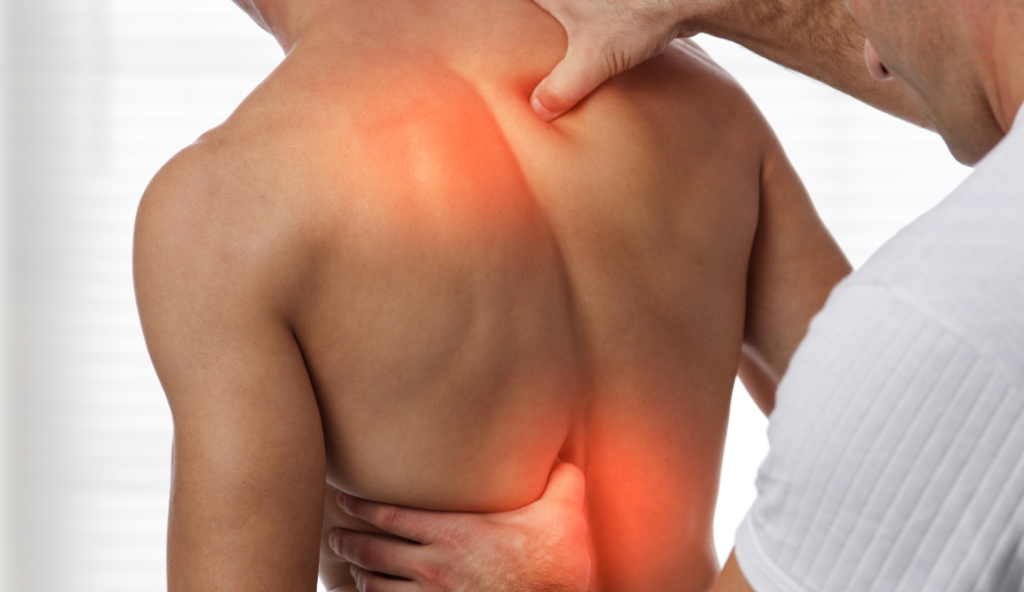
One of the primary techniques chiropractors use is spinal manipulation, also known as chiropractic adjustment. This hands-on technique involves applying controlled force to the spine to restore proper alignment and mobility. Spinal manipulation can help alleviate muscle pain by reducing pressure on the nerves, improving blood circulation, and promoting the release of endorphins, the body’s natural pain relievers.
During a spinal manipulation session, the chiropractor will carefully assess the patient’s spine and identify areas of misalignment or restricted movement. Using their hands or specialized tools, they will apply precise and controlled force to the affected area to restore normal spinal function. This technique is often accompanied by a popping or cracking sound, resulting from gas bubbles being released from the joints.
Spinal manipulation is a safe and effective treatment option for muscle pain relief. It can address various conditions, such as back pain, neck pain, and headaches. The chiropractor will tailor the treatment to the individual patient, considering their needs and medical history.
Soft Tissue Therapy
In addition to spinal manipulation, chiropractors may incorporate soft tissue therapy into their treatment plans for muscle pain relief. This involves applying pressure and stretching techniques to the muscles, tendons, and ligaments. Soft tissue therapy helps to reduce muscle tension, improve flexibility, increase blood flow, and promote healing.
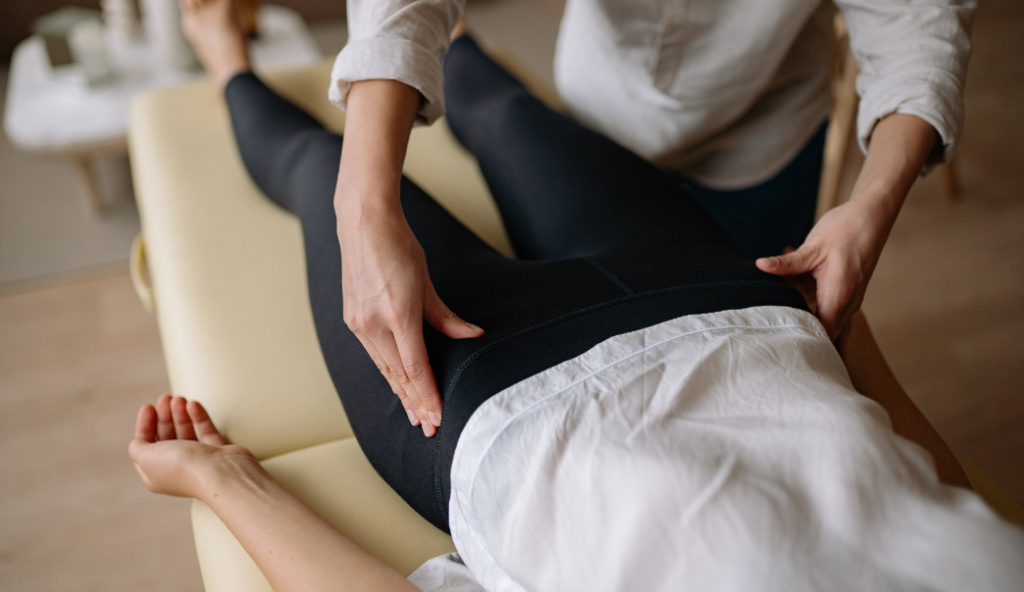
Depending on the patient’s condition and preferences, chiropractors may utilize different types of soft tissue therapy techniques. One common technique is myofascial release, which involves applying sustained pressure to the affected area to release tension and restore normal muscle function. Another technique is deep tissue massage, which involves using firm pressure on the deeper layers of muscle tissue to alleviate pain and improve mobility.
During a soft tissue therapy session, the chiropractor will use their hands or specialized tools to apply the appropriate techniques to the affected muscles. They will work on specific areas of tension or discomfort using a combination of pressure, stretching, and massage techniques. The goal is to address any muscle imbalances or restrictions that may be contributing to the pain and promote overall muscle health.
Soft tissue therapy can benefit muscle-related conditions like muscle strains, sprains, and trigger points. It can also help improve athletic performance and prevent future injuries. The chiropractor will assess the patient’s condition and develop a personalized treatment plan that may include a combination of spinal manipulation and soft tissue therapy.
The Role of Chiropractic Care in Muscle Healing
Chiropractic care focuses on temporary relief from muscle pain and plays a crucial role in promoting the healing process. Chiropractors take a holistic approach to healthcare, considering the entire musculoskeletal system rather than just the isolated area of pain. By doing so, they can address the root causes of muscle pain and provide comprehensive treatment plans tailored to each individual’s needs.
Improving Alignment and Function
One of the key ways chiropractic care contributes to muscle healing is by improving alignment and function. Chiropractors are trained to identify any misalignments or dysfunctions in the spine or other joints contributing to muscle pain. These misalignments can stress the surrounding muscles unnecessarily, leading to discomfort and a limited range of motion.
Through manual adjustments and other specialized techniques, chiropractors can correct these misalignments and restore proper alignment and function to the musculoskeletal system. By doing so, they help to reduce muscle strain and promote proper healing. This is particularly beneficial for individuals who engage in repetitive movements or activities that put a strain on specific muscle groups.
Addressing Underlying Issues
In addition to improving alignment and function, chiropractors also delve deep into identifying and addressing the underlying issues contributing to muscle pain. They understand that muscle pain is often a symptom of a more significant problem, such as poor posture, muscle imbalances, or improper biomechanics.
By thoroughly assessing each patient’s posture, movement patterns, and lifestyle habits, chiropractors can pinpoint the root causes of muscle pain. They then develop personalized treatment plans that alleviate current symptoms and address these underlying issues. This comprehensive approach helps to prevent further muscle pain and injury, allowing for long-term healing and improved overall musculoskeletal health.
Chiropractic care may include complementary therapies such as massage, stretching exercises, and nutritional counseling. These additional modalities can further support muscle healing by reducing inflammation, improving circulation, and providing the body with the necessary nutrients for tissue repair.
In conclusion, chiropractic care plays a vital role in muscle healing by improving alignment and function and addressing underlying issues contributing to muscle pain. By taking a holistic approach and providing personalized treatment plans, chiropractors help individuals find relief from muscle pain and promote long-term healing and improved musculoskeletal health.
Success Stories: Patients’ Experiences with Chiropractic for Muscle Pain
Don’t just take our word for it. Countless individuals have experienced the benefits of chiropractic care for muscle pain relief. Here are a few success stories from patients who have found relief and healing through chiropractic treatments:
John’s Story: From Debilitating Neck Pain to Active Lifestyle
John suffered from chronic neck pain that severely limited his mobility and quality of life. After trying various medical treatments unsuccessfully, he decided to give chiropractic care a chance. Through spinal adjustments, soft tissue therapy, and postural correction exercises, John experienced a significant reduction in pain and regained his ability to enjoy an active lifestyle.
Sarah’s Story: Recovering from Sports-Related Muscle Strain
Sarah was an avid runner who experienced muscle strain in her calf while training for a marathon. Frustrated with the persistent pain and difficulty in running, she turned to chiropractic care. The chiropractor used spinal adjustments, targeted stretching exercises, and therapeutic modalities to speed up Sarah’s recovery. Within a few weeks, Sarah was back on track, pain-free, and ready to conquer her marathon goals.
Integrating Chiropractic Care into a Comprehensive Muscle Pain Management Plan
Chiropractic care can be a valuable component of a comprehensive muscle pain management plan. By integrating chiropractic treatments with other medical therapies, such as physical therapy, medication, and lifestyle modifications, individuals can optimize their chances of finding long-term relief from muscle pain and promoting overall wellness. Here are some tips for integrating chiropractic care into your muscle pain management plan:
Consult with a Healthcare Team
Before starting any new treatment regimen, it’s essential to consult with a healthcare team that includes a chiropractor, primary care physician, and any other relevant specialists. This team can work together to develop a tailored treatment plan that addresses your specific needs and goals.
Stick to the Treatment Plan
Consistency is vital when it comes to chiropractic care. Make sure to follow your chiropractor’s recommendations and attend all scheduled appointments. This will help ensure you receive the full benefit of the treatment and allow your body to heal and adapt over time.
So, can chiropractors can help with muscle pain?
Chiropractic care offers a holistic and natural approach to muscle pain relief and healing. Whether seeking relief from acute muscle strains or chronic pain, chiropractors can play a valuable role in your journey toward a pain-free and active life. So, if you’re wondering whether chiropractors can help with your muscle pain, the answer is a resounding yes!
Are you tired of constantly dealing with hip pain? Do you wish there was a natural and effective way to find relief? Look no further than the power of massage therapy. Not only can massage help to alleviate pain and discomfort, but it can also target the underlying causes, offering you long-term relief. In this article, we will explore the causes of hip pain and how massage therapy can be harnessed to bring you the relief you’ve been searching for.
Understanding the Causes of Hip Pain
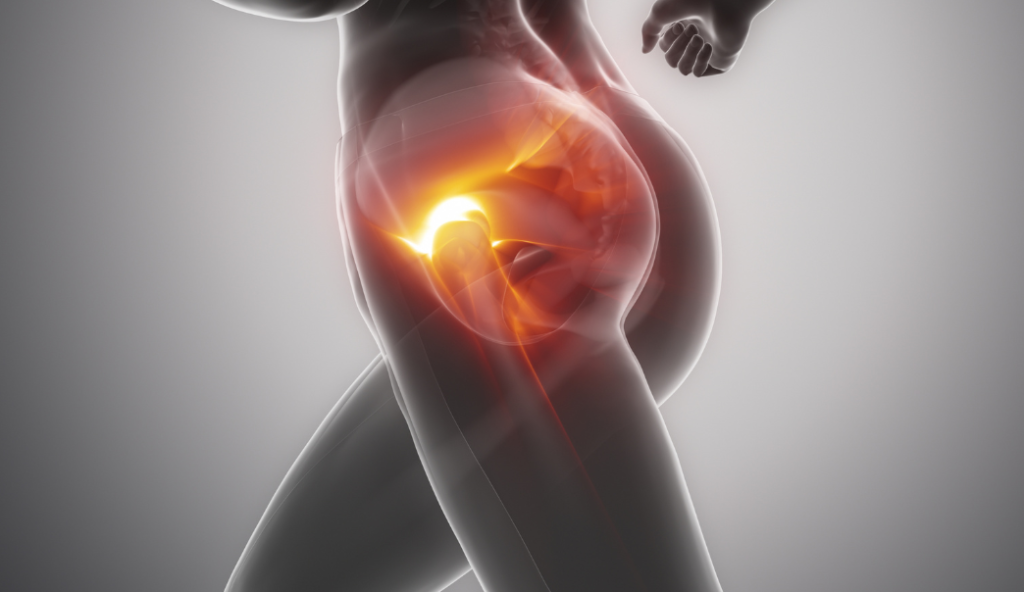
If you’re experiencing hip pain, it’s essential to understand the root cause. Hip pain can be attributed to various factors, including arthritis, tendonitis, bursitis, muscle pain, and other underlying conditions. Let’s delve deeper into each of these causes to gain a better understanding.
Exploring the Role of Arthritis in Hip Pain
Arthritis is a common cause of hip pain, particularly in older adults. It occurs when the cartilage in the hip joint begins to wear down, leading to inflammation and discomfort. Arthritis can make even simple movements, like walking or climbing stairs, incredibly painful. However, you can effectively manage and alleviate this pain with the right approach.
Several types of arthritis can affect the hip joint. Osteoarthritis, the most common form, is caused by the gradual breakdown of cartilage over time. Rheumatoid arthritis, on the other hand, is an autoimmune disease that causes inflammation in the joints, including the hips. Other types of arthritis, such as psoriatic arthritis and ankylosing spondylitis, can also contribute to hip pain.
Managing arthritis-related hip pain involves a combination of medication, physical therapy, lifestyle modifications, and possibly surgery in severe cases. Working closely with your healthcare provider to develop a personalized treatment plan that addresses your specific needs and goals is important.
Unraveling the Connection Between Tendonitis and Hip Pain
Tendonitis refers to the inflammation of the tendons in the hip joint. This condition often occurs due to repetitive movements or injury. Tendonitis can result in a sharp or burning pain in the hips, making it challenging to carry out daily activities. Understanding the link between tendonitis and hip pain is crucial for finding the appropriate treatment.
Common causes of hip tendonitis include overuse, improper form during physical activities, and sudden increases in activity levels. Athletes, especially runners and dancers, are prone to developing hip tendonitis. Additionally, tight hip muscles and imbalances in muscle strength can contribute to the development of this condition.
Treatment for hip tendonitis typically involves a combination of rest, physical therapy, anti-inflammatory medications, and targeted exercises to strengthen the hip muscles. In severe cases, corticosteroid injections or surgery may be necessary to alleviate symptoms and promote healing.
Shedding Light on Bursitis as a Cause of Hip Pain
Bursitis is another common cause of hip pain. The inflammation of the bursae causes it; small fluid-filled sacs cushion the joints. When the bursae become inflamed, they can cause intense pain and restrict movement. Proper knowledge of bursitis can help you take the necessary steps towards finding relief.
Several bursae in the hip joint can become inflamed and lead to hip pain. For example, Trochanteric bursitis affects the bursa on the outside of the hip, causing pain that radiates down the thigh. On the other hand, Iliopsoas bursitis affects the bursa located on the inside of the hip and can cause pain in the groin area.
Treatment for hip bursitis typically involves a combination of rest, ice or heat therapy, physical therapy, and anti-inflammatory medications. In some cases, corticosteroid injections may be recommended to reduce inflammation and provide pain relief. Lifestyle modifications, such as avoiding activities aggravating the condition and using assistive devices, may also be beneficial.
Understanding Muscle Pain and Its Impact on the Hips
Various factors, including muscle strains, overuse, or tension, can cause hip muscle pain. This pain can be dull or sharp, often with stiffness or limited mobility. By understanding the underlying causes of muscle pain, you can employ strategies to relieve the discomfort effectively.
Several muscles in the hip region can be affected by pain and discomfort. The hip flexors at the front of the hip are commonly strained due to repetitive hip flexion, such as running or cycling. The gluteal muscles, including the gluteus maximus and gluteus medius, can also be a source of hip pain when they become tight or strained.
Treatment for hip muscle pain typically involves a combination of rest, stretching exercises, physical therapy, and anti-inflammatory medications. Massage therapy and other manual techniques may also be beneficial in relieving muscle tension and promoting healing. In some cases, addressing underlying muscle imbalances or weaknesses through targeted exercises can help prevent future episodes of hip pain.
Exploring Other Possible Causes of Hip Pain
While arthritis, tendonitis, bursitis, and muscle pain are common causes of hip pain, exploring other potential factors is worth exploring. Hip pain may sometimes be associated with referred pain from the lower back, sciatica, or even nerve impingements. Consulting a healthcare professional can help you identify and address these causes.
Referred pain occurs when pain is felt in an area of the body that is not the actual source of the problem. For example, a herniated disc in the lower back can cause pain that radiates down the leg and into the hip. Sciatica, a condition that affects the sciatic nerve, can also cause hip pain and other symptoms like numbness, tingling, and weakness in the leg.
Hip pain may sometimes result from nerve impingements, where a nerve in the hip region becomes compressed or irritated. This can occur due to structural abnormalities, such as bone spurs, herniated discs, or repetitive movements that pressure the nerve.
Identifying and treating these underlying causes of hip pain often requires a comprehensive evaluation by a healthcare professional. They may recommend imaging tests, such as X-rays or MRI scans, to better understand the underlying structures and identify any abnormalities. Treatment options may include physical therapy, medication, injections, or, in some cases, surgical intervention.
Harnessing the Power of Massages for Hip Pain Relief
Now that we understand the causes of hip pain, it’s time to explore how massage therapy can play a significant role in finding relief. Massage helps to relax the muscles, promotes blood circulation, reduces inflammation, and releases feel-good endorphins. Let’s dive into the benefits and techniques of massage therapy for hip pain relief.
The Benefits of Massage Therapy for Hip Pain
Massage therapy offers various benefits for individuals suffering from hip pain. It helps to ease muscle tension, reduce inflammation, improve joint mobility, and enhance overall relaxation. Moreover, massage promotes the release of endorphins, the body’s natural painkillers, assisting pain management.
Effective Massage Techniques for Alleviating Hip Pain
Several massage techniques have shown promising results in relieving hip pain. Swedish massage, for example, involves gentle strokes and kneading to relax muscles and improve blood flow. Deep tissue massage, on the other hand, targets deeper muscle layers to release tension and promote healing. By exploring these techniques, you can find the one that works best for you.
Deep Tissue Massage: A Targeted Approach for Hip Pain Relief
Deep tissue massage releases chronic tension and adhesions in the muscles, tendons, and connective tissues. This targeted approach can effectively alleviate hip pain caused by deep muscle issues or scar tissue. However, it’s essential to communicate your comfort level with your massage therapist for the best results.
Myofascial Release: Unlocking Tension and Discomfort in the Hips
Myofascial release is a technique that focuses on releasing tension and tightness in the fascia, the connective tissue that surrounds muscles and organs. Your massage therapist can help unlock the restrictions contributing to hip pain by applying sustained pressure. Myofascial release can be a game-changer in your journey towards lasting relief.
Trigger Point Therapy: Targeting Specific Areas of Hip Pain
Trigger point therapy involves applying pressure to specific areas of muscle knots or trigger points to release tension and reduce pain. This technique is especially beneficial for individuals experiencing localized hip pain. By working with a skilled massage therapist, you can address these trigger points and experience significant relief.
Self-Care for Hip Pain: Can You Give Yourself a Hip Massage?
While professional massage therapy can provide immense relief, you may also wonder if self-care techniques can be effective. The good news is that there are ways to give yourself a soothing hip massage in your home. Let’s explore some self-massage techniques that can assist you in finding relief when professional massage therapy is unavailable.
Step-by-Step Guide: How to Give Yourself a Soothing Hip Massage
If you’re interested in giving yourself a hip massage, follow this step-by-step guide to ensure a soothing experience:
Find a quiet and comfortable space to focus on the massage without distractions.
Apply a small amount of massage oil or lotion to your hands to ensure smooth gliding over the skin.
Start by gently massaging the surrounding muscles, such as the glutes and thighs, to warm up the area.
Use your fingertips to gently pressure tender spots or trigger points in the hip area.
Experiment with different massage techniques, such as kneading, circular motions, or tapping, to find what feels best.
Remember to take deep breaths and maintain a relaxed posture throughout the massage.
Continue massaging for a few minutes or until you feel relief or a reduction in discomfort.
After the massage, take some time to rest and allow your body to absorb the benefits of the self-care session.
Concluding Thoughts on Managing Hip Pain
Hip pain can significantly impact your daily life, but with the power of massage therapy and self-care techniques, relief is within reach. Understanding the underlying causes of hip pain and using the appropriate massage techniques can alleviate pain, reduce inflammation, and improve your overall well-being. Remember to consult a healthcare professional for a comprehensive approach to managing and treating hip pain.
Frequently Asked Questions about Hip Pain and Massage Therapy
Here are some commonly asked questions about hip pain and massage therapy:
Q: Is massage therapy safe for individuals with hip pain caused by arthritis?
A: Yes, massage therapy can be safe and beneficial for individuals with arthritis-related hip pain. However, it’s essential to communicate your condition and preferences to your massage therapist.
Q: How often should I receive massage therapy for hip pain?
A: The frequency of massage therapy sessions depends on various factors, including the severity of your hip pain and your needs. Talk to your massage therapist to determine the best treatment plan for you.
Q: Can massage therapy replace medical treatment for hip pain?
A: While massage therapy can be an effective complementary treatment for hip pain, consulting with a healthcare professional for a comprehensive approach that may include other interventions or therapies is essential.
Exploring the Inclusion of Hips in Full Body Massages
When seeking relief from hip pain, it’s worth considering full-body massages that also focus on the hips. Many massage therapists are trained to incorporate the hips into comprehensive sessions that address your specific needs and provide overall relaxation.
Discovering Pressure Points for Hip Pain Relief
When stimulated, pressure points are specific areas on the body that can alleviate pain and promote healing. By working with a knowledgeable massage therapist, you can discover and target these pressure points to find relief from hip pain.
Choosing the Right Massage Technique for Hip Pain
With numerous massage techniques available, it can be challenging to determine which one is best for your hip pain. Consulting with a massage therapist experienced in pain management can help you choose the right technique tailored to your unique needs.
The Role of Massage Therapists in Addressing Hip Pain
Massage therapists play a vital role in the relief of hip pain. Their expertise in assessing and treating hip conditions and their knowledge of the body’s musculoskeletal system allow them to provide targeted massage therapy to improve your quality of life significantly.
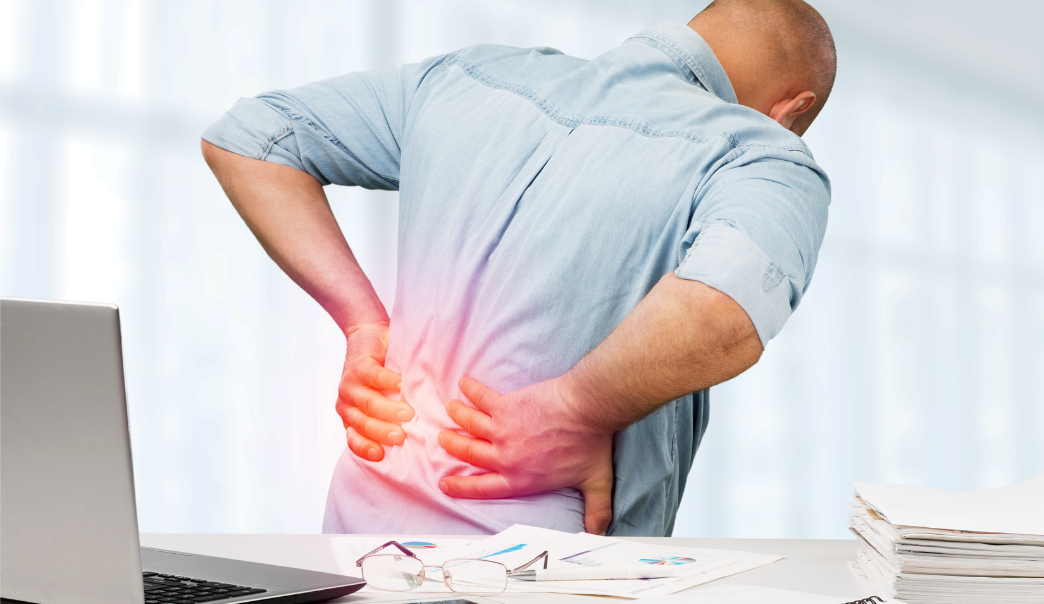
Do you struggle with lower back pain after standing for long periods? You’re not alone. Many people experience discomfort in their lower back when standing for extended periods, whether due to work, household chores, or attending events. Luckily, there are effective ways to alleviate and prevent this pain.
In this article, we’ll explore the causes of lower back pain while standing, proven strategies to prevent and find relief from back pain, exercises to strengthen your body, expert advice on maintaining proper standing form, and resources for pain relief support. Let’s dive in!
Understanding the Causes of Lower Back Pain While Standing
Lower back pain is a common ailment caused by various factors. Understanding these causes is the first step towards finding the right solutions for alleviating and preventing them.
When it comes to lower back pain while standing, several common factors contribute to this discomfort. It is essential to recognize these factors to address the issue effectively:
Common Factors Contributing to Lower Back Pain
Poor posture: Standing with improper posture can strain your back muscles and lead to pain. When you slouch or hunch forward, it puts unnecessary pressure on your lower back, causing discomfort over time.
Weak back and core muscles: Your back and core muscles support your spine. When these muscles are weak, they cannot adequately support your spine, leading to increased stress on your lower back and resulting in pain.
Lack of movement: Standing in one position for too long without taking breaks can lead to muscle fatigue and pain. When you remain stationary, the muscles in your lower back can become stiff and tense, causing discomfort and stiffness.
Injury or previous back pain: If you’ve injured your back or have a history of back pain, standing for extended periods can aggravate the condition. The strain placed on your lower back can exacerbate any existing issues, leading to increased pain and discomfort.
How to Prevent Standing Back Pain
Now that we’ve identified some common factors, let’s delve into proven strategies to prevent back pain while standing.
Preventing lower back pain while standing requires a multi-faceted approach that addresses the underlying causes. Here are some strategies that have been proven effective:
Maintain proper posture: When standing, keep your spine aligned and avoid slouching. Engage your core muscles to support your back and distribute the weight evenly.
Strengthen your back and core muscles: Incorporate exercises that target your back and core muscles into your fitness routine. Strengthening these muscles will provide better support for your spine and reduce the risk of pain while standing.
Take regular breaks and stretch: Avoid standing in one position for too long. Take short breaks to try and move around. This will help prevent muscle fatigue and stiffness in your lower back.
Use proper footwear: Shoes with a lower or no heel can take pressure off of your back, and wider shoes allow your feet to spread out better and support you and your back.
Practice good ergonomics: If your job requires prolonged standing, ensure your work environment is ergonomically designed. Use anti-fatigue mats, adjustable standing desks, and supportive chairs to minimize the strain on your lower back.
By implementing these strategies and consciously addressing the contributing factors, you can significantly reduce the risk of lower back pain while standing. Remember, prevention is vital when it comes to maintaining a healthy back.
Proven Strategies to Prevent Back Pain While Standing
Preventing back pain starts with adopting healthy habits and making mindful choices about your posture and movement. Here are some strategies to help you prevent back pain while standing:
Standing for extended periods can strain your back, leading to discomfort and pain. However, with the proper techniques and adjustments, you can minimize the risk of developing lower back pain. Maintaining good posture is one of the most effective ways to prevent back pain while standing.
Ergonomic Tips for Proper Standing Posture
Proper standing posture can significantly reduce the strain on your lower back. Here are a few ergonomic tips to help you maintain good posture:
Align your ears, shoulders, and hips in a straight line.
Distribute your weight evenly on both feet.
Avoid slouching or leaning to one side.
Engage your core muscles to stabilize your spine.
Use supportive footwear that provides cushioning and arch support.
When you stand correctly, you allow your spine to maintain its natural curves, which helps distribute the weight evenly and reduces the strain on your back muscles. By aligning your ears, shoulders, and hips in a straight line, you create a balanced and stable foundation for your body.
In addition to maintaining proper posture, engaging your core muscles while standing is essential. Your core muscles act as a support system for your spine, helping stabilize it and preventing excessive strain. By consciously activating your core muscles, you can improve your overall posture and reduce the risk of developing back pain.
Choosing the proper footwear is another crucial aspect of preventing back pain while standing. A significant difference between the height of the heels and toes in your shoe can cause you to over-arch your back, and compressive, narrow shoes can mean that your feet aren’t able to stabilize you, meaning that muscles higher in your kinetic chain, including your back, have to work harder.
These ergonomic tips can minimize the risk of lower back pain while standing. However, if you’re already experiencing discomfort, finding relief is crucial. It’s important to listen to your body and take breaks when needed. Incorporating regular stretching exercises and gentle movements into your routine can help alleviate pain and prevent further discomfort.
Effective Ways to Find Relief from Back Pain After Standing
Finding relief becomes a top priority when lower back pain strikes after standing for long periods. Incorporating stretching and strengthening exercises into your routine can provide much-needed relief.
Stretching and Strengthening Exercises for Back Pain Relief
Combining stretching and strengthening exercises can help alleviate back pain and improve your overall condition. Here are a few exercises to try:
Child’s Pose: This yoga pose gently stretches your lower back and promotes relaxation.
Bird Dog: Strengthen your core and back muscles by extending one arm and the opposite leg while maintaining proper alignment.
Bridge Pose: Engage your glutes and core to strengthen your lower back and hips.
Cat-Camel Stretch: Alternate arching your back up (cat) and rounding it downwards (camel) to improve flexibility and relieve tension.
Incorporating these exercises into your daily routine can relieve back pain after standing. However, it’s essential to strengthen your body for improved standing endurance.
Strengthen Your Body for Improved Standing Endurance
Building strength and endurance in your back and core muscles is critical to withstand long periods of standing without pain. The following exercises target these muscle groups:
Targeted Exercises to Support Your Back and Core Muscles
Include the following exercises in your routine to strengthen your back and core muscles:
Plank: This exercise engages your core, back, and abdominal muscles, building overall stability.
Superman: Lie face down and simultaneously lift your arms and legs off the ground to engage your back muscles.
Russian Twists: Sitting on the ground with bent knees, twisting your upper body from side to side to engage your oblique muscles.
Deadlifts: Use proper form and technique to lift weights and strengthen your back muscles.
Regularly performing these exercises will improve your standing endurance, allowing you to tackle daily activities easily. However, to achieve long-term benefits, maintaining proper standing form is crucial.
Expert Advice on Maintaining Proper Standing Form
Who better to advise on maintaining proper standing form than physical therapists? Here are some tips from the experts:
Tips from Physical Therapists for Correcting Posture
Physical therapists recommend the following tips for maintaining proper standing form:
Keep your head level, with your chin parallel to the ground.
Draw your shoulder blades back and down.
Engage your core muscles to support your spine.
Relax your knees, avoiding locking them.
Distribute your weight evenly on both feet.
By following these recommendations, you’ll be well on your way to maintaining proper standing form and reducing the risk of lower back pain. However, if you’re looking for additional support, consider exploring the benefits of Hinge Health.
Discover the Benefits of Hinge Health for Back Pain Management
Hinge Health offers a comprehensive digital program to help individuals manage and reduce back pain. Through personalized exercises, education, and one-on-one coaching, Hinge Health aims to empower individuals to take control of their back pain and improve their overall quality of life. Whether you’re suffering from back pain due to standing or other causes, Hinge Health may provide the support you need.
Exploring Options for Pain Relief and Support
In addition to exercises and proper form, various pain relief and support options are available. If you’re experiencing persistent or severe back pain, seeking professional advice is essential. Consider consulting with a healthcare provider, physical therapist, or chiropractor to explore the best course of action for your specific situation. Additionally, researching employer or health plan coverage options may help you access valuable resources and treatments to address your back pain effectively.
Resources for Finding Employer or Health Plan Coverage
When seeking employer or health plan coverage for back pain management, the following resources can be valuable:
Benefits department: Contact your employer for available back pain management services coverage.
Insurance provider: Contact your health insurance provider and discuss coverage options for back pain treatments, such as physical therapy or chiropractic services.
Online forums and communities: Engage with online forums and communities where individuals share their experiences and recommendations regarding employer or health plan coverage for back pain management.
Remember, assistance is available if you need support managing your back pain through proper resources and coverage. Lastly, for those eager to learn more about this topic and delve deeper into research, here are some credible sources for further reading.
Credible Sources for Further Reading and Research
To further expand your knowledge on back pain and find additional research-based information, explore the following credible sources:
Mayo Clinic: Visit Mayo Clinic’s website to access comprehensive articles covering various aspects of back pain, including causes, prevention, and treatment.
WebMD: WebMD provides a wealth of trusted information on back pain and related topics, including symptoms, diagnosis, and self-care tips.
National Institute of Arthritis and Musculoskeletal and Skin Diseases (NIAMS): NIAMS offers in-depth resources on back pain, its causes, and various treatment options.
American Physical Therapy Association (APTA): APTA’s website features valuable information on how physical therapy can help manage and alleviate lower back pain.
By exploring these credible sources, you can enhance your understanding of lower back pain and make informed decisions regarding its management and prevention.
Ready to relieve lower back pain from standing?
In conclusion, lower back pain from standing can be effectively alleviated and prevented by understanding its causes and implementing proven strategies. Practicing proper standing posture, incorporating exercises to relieve pain and strengthen your body, maintaining good form, and exploring supportive resources are key steps toward finding relief and improving your overall well-being.
Consult with healthcare professionals to tailor a plan that suits your needs. With the right approach and support, you can conquer lower back pain and stand tall!
There is no doubt that back pain can be a real nuisance, affecting your daily activities and overall well-being. But did you know that certain foods can help alleviate back pain and promote spine health? Incorporating these foods into your diet can make a significant difference in managing and preventing back pain. So, without further ado, let’s dive into the top foods that can relieve and improve your spine health.
1. Embrace the Power of Plants
When it comes to fighting back pain, plants are your secret weapon. A plant-based diet is rich in antioxidants, anti-inflammatory properties, and essential nutrients that support a healthy spine. The benefits of a plant-based diet are numerous. Plant foods like fruits, vegetables, whole grains, nuts, and seeds give your body the necessary vitamins and minerals to thrive.
Let’s delve deeper into the benefits of a plant-based diet and how it can help alleviate back pain. Switching to a plant-based diet can reduce inflammation, easing back pain and discomfort. The natural compounds in fruits and vegetables, such as phytochemicals and flavonoids, have powerful anti-inflammatory effects. These compounds help to neutralize harmful free radicals, reducing oxidative stress in your spine and promoting overall spinal health.
Furthermore, a plant-based diet is often low in unhealthy fats, which can contribute to inflammation and worsen back pain. By avoiding or minimizing the consumption of processed foods, fried foods, and saturated fats commonly found in animal products, you can significantly reduce the risk of inflammation in your body. Instead, focus on incorporating a variety of colorful fruits and vegetables into your meals to maximize the nutritional benefits.
Not only does a plant-based diet help combat inflammation, but it also provides your body with essential nutrients that support a healthy spine. For example, leafy green vegetables like spinach and kale are excellent sources of calcium, which is crucial for maintaining strong bones and preventing conditions like osteoporosis. Additionally, fruits like oranges and strawberries are rich in vitamin C, which plays a vital role in collagen synthesis, supporting the health of your spinal discs.
So, make sure to load up on your favorite plant-based goodies. Whether it’s a refreshing salad, a colorful stir-fry, or a delicious smoothie, incorporating more plant-based foods into your diet can significantly impact your back pain and overall spinal health. Embrace the power of plants and experience the transformative benefits they offer.
The Benefits of a Plant-Based Diet
Switching to a plant-based diet can reduce inflammation, easing back pain and discomfort. Fruits and vegetables, in particular, are packed with antioxidants that combat free radicals, reducing oxidative stress in your spine. Plant-based foods are often low in unhealthy fats, contributing to inflammation and worsening back pain. So, make sure to load up on your favorite plant-based goodies.
Fruits and Vegetables are some of the best foods to relieve back pain.
2. Say Goodbye to Processed Foods
In a world filled with convenient and processed foods, reaching for that bag of chips or frozen pizza can be tempting. However, these processed foods can be detrimental to your spine health. They are often high in unhealthy fats, sodium, and preservatives, which can increase inflammation.
Processed foods have become a staple in many people’s diets due to their convenience and long shelf life. However, many individuals fail to realize the negative impact these foods can have on their overall health, particularly their spine health. The high levels of unhealthy fats found in processed foods contribute to weight gain and lead to inflammation in the body.
When you consume processed foods, your body is bombarded with unhealthy ingredients that can wreak havoc on your spine. These foods are often loaded with trans fats, which raise harmful cholesterol levels and increase inflammation. This inflammation can affect the discs in your spine, leading to pain and discomfort.
Why You Should Avoid Processed Foods
High sodium levels in processed foods can lead to water retention, causing bloating and discomfort, which may exacerbate back pain. Moreover, the unhealthy fats found in processed foods contribute to weight gain and lead to inflammation in your body. By ditching processed foods and opting for whole, natural foods, you can reduce inflammation, alleviate back pain, and improve your overall well-being.
Choosing whole, natural foods over processed options can significantly impact your spine health. Whole foods like fruits, vegetables, lean proteins, and whole grains are packed with essential nutrients that promote a healthy spine. These foods are rich in antioxidants, vitamins, and minerals that help reduce inflammation and support the overall health of your spine.
Additionally, opting for whole foods gives you better control over your ingredients. Processed foods often contain artificial additives, preservatives, and flavor enhancers that can negatively affect your spine health. By preparing meals using fresh ingredients, you can ensure that you nourish your body with the nutrients it needs to maintain a healthy spine.
Choosing whole foods can help you maintain a healthy weight, which is crucial for spine health. Processed foods are often high in calories and low in nutritional value, leading to weight gain and increased pressure on your spine. By incorporating whole foods into your diet, you can maintain a healthy weight and reduce the strain on your spine, ultimately preventing back pain and discomfort.
It’s important to note that transitioning away from processed foods may require eating habits and meal planning adjustments. However, the long-term benefits to your spine health and overall well-being make it worthwhile. By saying goodbye to processed foods and embracing a diet rich in whole, natural foods, you can take a significant step towards improving your spine health and living a pain-free life.
3. Boost Your Health with Essential Vitamins
Vitamins play a crucial role in maintaining spine health and relieving back pain. Incorporating foods rich in essential vitamins into your diet can support the strength and flexibility of your spine.
When it comes to maintaining a healthy spine, there are several essential vitamins that you should include in your daily diet. One of these vitamins is vitamin D, often called the “sunshine vitamin.” Vitamin D is essential for strong bones, including your spine. Spending time outdoors to soak up the sun’s rays can naturally help your body produce vitamin D. However, suppose you live in an area with limited sunlight or have difficulty getting outside. You can also include foods like fatty fish, fortified dairy products, and mushrooms to increase your vitamin D intake.
In addition to vitamin D, another important vitamin for spine health is vitamin C. Vitamin C is known for its antioxidant properties and is vital for collagen production, which aids in maintaining the health of your spinal discs. Including foods rich in vitamin C in your diet can help support the overall health of your spine. Citrus fruits such as oranges, lemons, and grapefruits are excellent sources of vitamin C. Bell peppers, both green and red, are also packed with this essential vitamin. Furthermore, leafy greens like spinach and kale are rich in vitamin C and provide a variety of other nutrients that are beneficial for your spine.
When it comes to boosting your health with essential vitamins, it’s important to remember that a well-balanced diet is key. Incorporating foods rich in vitamins D and C, along with other essential nutrients, can help support the strength and flexibility of your spine. So, next time you plan your meals, include these spine-boosting vitamins to keep your back healthy and pain-free.
4. Fuel Your Body with Protein
Protein is the building block of your body, and it plays a crucial role in maintaining muscle strength and tissue repair. Including protein-rich foods in your diet can help alleviate back pain and promote a healthy spine.
When it comes to foods to relieve back pain, protein is key!
High-Protein Foods to Incorporate into Your Diet
When looking for foods to relieve back pain, Opt for lean protein sources such as chicken, fish, tofu, and legumes. These foods provide amino acids that support muscle growth and repair, ensuring the strength and stability of your back muscles. Additionally, dairy products like Greek yogurt and cottage cheese are excellent sources of protein and calcium, which are vital for strong bones.
The Health Benefits of Including Fish in Your Diet
Omega-3 fatty acids help reduce inflammation in your body, including your spine. By incorporating fish into your diet, you can potentially alleviate back pain and promote overall spine health. If you’re not a fan of fish, you can opt for fish oil supplements as an alternative.
6. Spice Things Up for Flavor and Health
Spices and herbs add a delightful flavor to your meals and offer numerous health benefits. Many spices and herbs have anti-inflammatory and pain-relieving properties that can benefit your back.
The Health Benefits of Spices and Herbs
Spices like turmeric, ginger, cayenne pepper, and cinnamon have been shown to reduce inflammation in the body. Incorporate these flavorful additions into your meals to spice up your life and potentially soothe your aching back.
7. Turn Up the Flavor with Heat
You’re in luck if you enjoy a little kick in your meals. Adding heat to your dishes can enhance their flavor and provide some surprising health benefits for your spine.
How Adding Heat to Your Meals Can Benefit Your Health
Peppers, such as chili peppers or cayenne, contain capsaicin, a compound that gives them their spicy taste. Capsaicin has been found to have pain-relieving properties, potentially reducing back pain. So, reach for the hot sauce or sprinkle some chili flakes on your meals to add a little fire to your spine health regimen.
The Importance of Staying Hydrated for Your Well-Being
Dehydration can lead to decreased disc height and increased friction between your vertebrae, potentially causing back pain. Ensure you drink adequate water throughout the day to keep your spine happy and healthy. If you struggle to drink enough water, try infusing it with fruits or herbs for a refreshing twist.
Keep Eating Healthy Foods to Relieve Back Pain
By incorporating these top foods into your diet, you can nourish your spine and alleviate back pain naturally. Remember, maintaining a healthy lifestyle, which includes regular exercise and good posture, is equally important in promoting spine health. So, start making small changes to your diet today and give your back the care it deserves!
If you’re an avid fitness enthusiast, you may have experienced back pain after doing squats. It’s a common problem that many people encounter, but the good news is there are ways to fix it.
This article will explore various strategies and techniques to alleviate back pain after squats, allowing you to continue your fitness journey without discomfort.
Identifying Causes of Back Pain Post-Squats
Before diving into solutions, it’s essential to understand the underlying causes of back pain after squats. One possible cause is improper form and technique while performing the exercise. When done incorrectly, squats can put excessive strain on the lower back, leading to discomfort and pain. Maintaining proper alignment throughout the movement is crucial, ensuring that your knees are tracking over your toes and your back is straight.
Another factor contributing to back pain post-squats is tight or weak back, core, or hips muscles. When these muscles are not adequately conditioned, they may struggle to support the spine during squatting. Tightness in the hip flexors, hamstrings, or glutes can also affect the alignment of the pelvis and contribute to back pain.
Additionally, underlying conditions such as herniated discs or spinal stenosis can make individuals more susceptible to experiencing back pain after squats. These conditions may cause the spinal structures to become more vulnerable to stress and strain, leading to discomfort during exercises that involve the lower back.
Identifying the root cause of your back pain after squats is crucial in finding an effective remedy for your discomfort. It is recommended to consult with a healthcare professional or a qualified fitness trainer who can assess your form, muscle imbalances, and any underlying conditions that may be contributing to your pain. They can provide personalized guidance and develop a targeted plan to address the specific causes of your back pain.
Correcting Form and Technique in Squats
Examining your form and technique is the first step in fixing back pain after squats. Proper squat form is crucial to avoiding unnecessary strain on your lower back. Start by ensuring your feet are shoulder-width apart and your toes are slightly turned out. Engage your core and keep your back straight throughout the movement. As you descend, push your hips back as if you’re sitting on an imaginary chair. Regularly practicing correct form will help you avoid future back pain.
When it comes to squatting, form and technique are of utmost importance. It is not just about lifting heavy weights; it is about performing the exercise correctly to prevent injuries and maximize the benefits. Paying attention to the details of your form ensures that your squatting technique is on point.
One aspect to consider is the positioning of your feet. Placing your feet shoulder-width apart provides a stable base of support and allows for proper alignment of your knees and hips. Toes slightly turned outwards can help maintain balance and engage the correct muscles during the squat.
Equally important is engaging your core and keeping your back straight throughout the movement. Your core muscles act as a stabilizer, helping to maintain proper alignment and reducing the strain on your lower back. You can protect your spine by activating your core and avoid unnecessary pain or injury.
As you descend into the squat, you must push your hips back as if sitting on an imaginary chair. This movement pattern helps to engage your glutes and hamstrings, distributing the load more evenly and reducing the strain on your lower back. By mastering this hip hinge motion, you can ensure that your squat is effective and safe.
Furthermore, it is essential to consider the depth of your squat. Going too low can put excessive pressure on your back, especially if you lack the necessary flexibility or strength. Aiming for a range where your thighs are parallel to the ground is recommended. However, it is crucial to listen to your body and not force yourself to go lower than what feels comfortable for you. Gradually increasing your squat depth over time, as your mobility and strength improve, can be a more sustainable approach.
Remember, correcting your form and technique in squats is an ongoing process. It requires patience, practice, and a willingness to listen to your body. By prioritizing proper form and paying attention to the details, you can enjoy the benefits of squats while minimizing the risk of back pain or injury.
Stretching and Strengthening Exercises for Back Pain Relief
Stretching and strengthening exercises can provide immense relief for back pain after squats. Start by incorporating dynamic stretches into your warm-up routine. These stretches help to increase blood flow and flexibility in your muscles, reducing the risk of strain.
Some great exercises include the cat-camel stretch, where you get on all fours and arch and round your back, and the seated forward bend, where you sit on the ground with your legs extended and reach for your toes. These exercises will target your back, core, and hip muscles, improving their flexibility and strength.
Additionally, incorporate exercises specifically targeting your lower back, such as the Superman and Bird Dog exercises. These movements help strengthen the muscles in your back, providing better support and stability during squats.
The Role of Nutrition in Back Pain Relief
While focusing on exercises to alleviate back pain after squats is essential, paying attention to your nutrition is also crucial. Proper nutrition significantly affects your overall health and can reduce pain.
Ensure your diet includes adequate amounts of essential nutrients like calcium, vitamin D, and magnesium, aiding muscle recovery and promoting bone health. Calcium is vital for maintaining strong bones, while vitamin D helps with calcium absorption. Conversely, magnesium plays a crucial role in muscle relaxation and can help alleviate muscle tension and spasms.
Furthermore, staying hydrated is essential for maintaining healthy muscles and joints. Dehydration can lead to muscle cramps and stiffness, aggravating back pain. Remember to drink enough water throughout the day to hydrate your body.
Safeguarding Your Back During Strength Training
To prevent back pain after squats and other strength training exercises, it’s crucial to prioritize proper technique and safety. Avoid loading weights that are too heavy for you, as this can strain your back excessively. Gradually increase the weight over time as your strength and form improve.
Additionally, consider incorporating other exercises that strengthen your core and back muscles, such as deadlifts and hip thrusts. A strong core and back will provide stability and support during squats, minimizing the risk of injury and pain.
Furthermore, listening to your body and taking breaks when needed is important. Pushing through pain or fatigue can lead to overuse injuries and exacerbate existing back pain. Rest and recovery are as important as exercise in maintaining a healthy and pain-free back.
Lastly, consider incorporating stretching exercises into your post-workout routine. This can help relax and lengthen the muscles that may have tightened during your workout, reducing the risk of post-exercise soreness and stiffness.
By incorporating these strategies into your routine, you can effectively manage and prevent back pain after squats, allowing you to continue enjoying the benefits of strength training without discomfort or injury.
Role of Chiropractic Care in Treating Exercise-Related Back Pain
If you’re experiencing persistent or severe back pain after squats, seeking professional help may be beneficial. Chiropractic care can be an effective treatment option for exercise-related back pain. A chiropractor can assess your condition and provide targeted adjustments to align your spine correctly.
Various factors, including improper form, muscle imbalances, or overexertion, can cause exercise-related back pain. When you visit a chiropractor, they will conduct a thorough examination to identify the root cause of your pain. This may involve assessing your posture, range of motion, and muscle strength.
Determining the underlying cause and building a plan
Once the chiropractor has determined the underlying cause of your back pain, they will develop a personalized treatment plan. In addition to spinal adjustments, chiropractic care often includes additional therapies to enhance healing.
Massage and Hot or Cold Therapy
One commonly used therapy is massage. Massage can help relax tight muscles, improve blood circulation, and reduce inflammation. A chiropractor can help alleviate tension and promote pain relief by targeting specific muscle groups.
Heat or cold therapy is another technique frequently used in chiropractic care. Applying heat to the affected area can help increase blood flow, relax muscles, and reduce stiffness. On the other hand, cold therapy can help numb the area, reduce inflammation, and alleviate pain.
Exercise and Stretch Recommendations for Back Pain After Squats
Chiropractors may also prescribe specific exercises to address your exercise-related back pain. These exercises are tailored to your specific needs and aim to strengthen weak muscles, improve flexibility, and correct imbalances. By incorporating these exercises into your routine, you can help prevent future injuries and maintain a healthy spine.
In addition to the physical treatments, chiropractors often provide education and guidance on proper posture, body mechanics, and ergonomics. They can teach you how to maintain a neutral spine during exercises and daily activities, reducing the risk of further back pain.
It’s important to note that chiropractic care is a non-invasive and drug-free approach to treating exercise-related back pain. By addressing the underlying cause of the pain and promoting natural healing, chiropractors can help you find long-term relief without relying on medications or surgery.
So, if you’re struggling with exercise-related back pain, consider seeking chiropractic care. With their expertise and comprehensive approach, chiropractors can help you recover from your pain, improve your overall well-being, and get back to enjoying your favorite activities.
Addressing Back Pain after Squats Once and For All
Back pain after squats can be a frustrating setback on your fitness journey. However, you can overcome this challenge by identifying the causes, correcting your form and technique, incorporating stretching and strengthening exercises, and seeking professional help if needed.
Progress takes time, so be patient and listen to your body. You can fix back pain and continue working towards your fitness goals with determination and the right strategies!