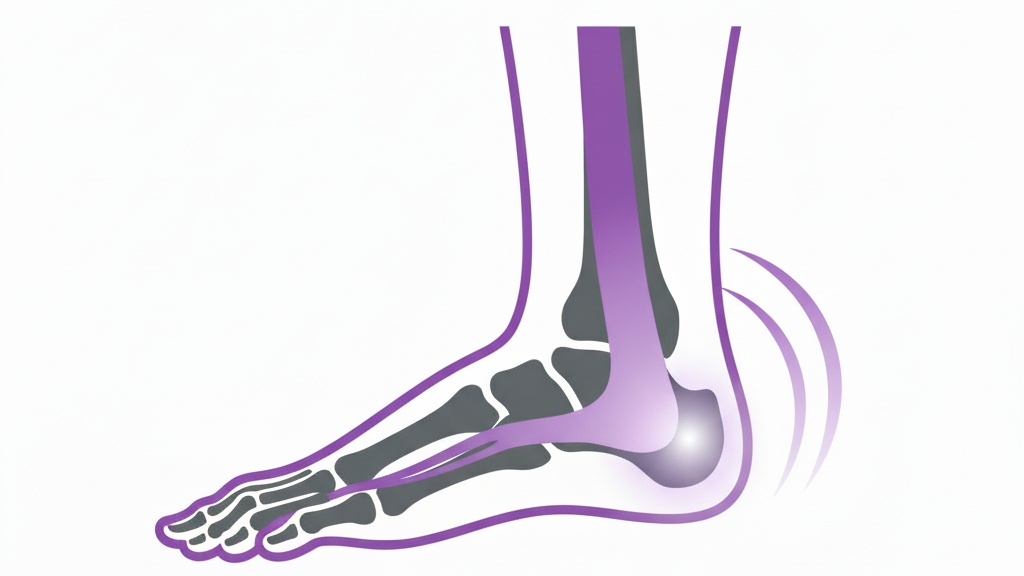
Athletes are always looking for an edge — a way to move better, hit harder, and stay healthy through a long season. One tool that sport-focused chiropractors use to get there is manual muscle testing. It won’t hand you a magic number that predicts your next personal best, but it is a practical way to see how well your muscles are firing, where you’re strong, and where a weak link might be quietly holding you back. Here’s an honest look at what muscle testing is, what it can (and can’t) tell you, and how it fits into training and recovery.
What Muscle Testing Actually Is
Muscle testing is a hands-on assessment in which the practitioner applies steady resistance to a specific muscle or movement while you push back. By feeling how well the muscle engages and holds, we can gauge its strength, activation, and control. It’s one part of a broader applied kinesiology assessment that also includes your history, a movement screen, and joint testing — used together to build a picture of how your body is really working, not as a stand-alone lab test.
What It Can — and Can’t — Tell You
Used well, muscle testing is good at flagging the things that influence performance and injury risk: which muscles are weak or slow to activate, left-to-right differences, and movement restrictions that change how you load a joint. What it is not is a way to diagnose disease, food allergies, or nutritional status — claims sometimes made for muscle testing that aren’t supported by evidence. For those questions, proper medical and lab testing is the right tool. Being clear about that is what keeps the assessment genuinely useful.
Why Weak Links Matter for Performance and Injury Risk
Small imbalances add up under load. Research shows that left-to-right strength asymmetries are associated with reduced functional capacity and are consistently linked to a higher risk of injury.12 If a stabiliser isn’t pulling its weight — say an underactive glute or a quad that fatigues early — you may lose power in explosive movements and load the surrounding tissues unevenly. Spotting that pattern early lets you train it before it becomes a strain. (For a deeper dive, see how we use this to help athletes recover faster and prevent injuries and to correct muscle imbalances.)
Injury Prevention and Recovery
The real payoff is prevention. Decades of sports-medicine research show that structured, movement-based training programs cut injury rates substantially — a systematic review in the British Journal of Sports Medicine found neuromuscular training reduced injuries in young athletes by roughly a third.3 Muscle testing helps make that work specific to you, targeting your particular weak links rather than a generic routine. In rehabilitation, re-testing the strength and control of an injured area is a useful, practical way to help judge readiness before returning to full training.
How We Use Muscle Testing at Nobility
At Nobility Chiropractic & Wellness in Smiths Falls, muscle testing is one input in a full assessment. We combine it with your history, a movement screen, and joint testing, then build a tailored plan of hands-on treatment and targeted exercises — and re-test to confirm the change is holding. It’s a big part of why we believe most active people benefit from seeing a sport-focused chiropractor.
Ready to Explore Muscle Testing?
If you want to find the weak links that are limiting your performance or setting you up for injury, we can help. Learn more about applied kinesiology at Nobility, or book an appointment to get started.
References
- Lower-extremity asymmetry values are associated with perceived functional capabilities among university athletes. PMC, 2024.
- Injury risk analysis of movement restriction and body asymmetry in sports injury prediction. BMC Sports Science, Medicine and Rehabilitation, 2025.
- Neuromuscular training injury-prevention strategies in youth sport: a systematic review and meta-analysis. British Journal of Sports Medicine, 2015.