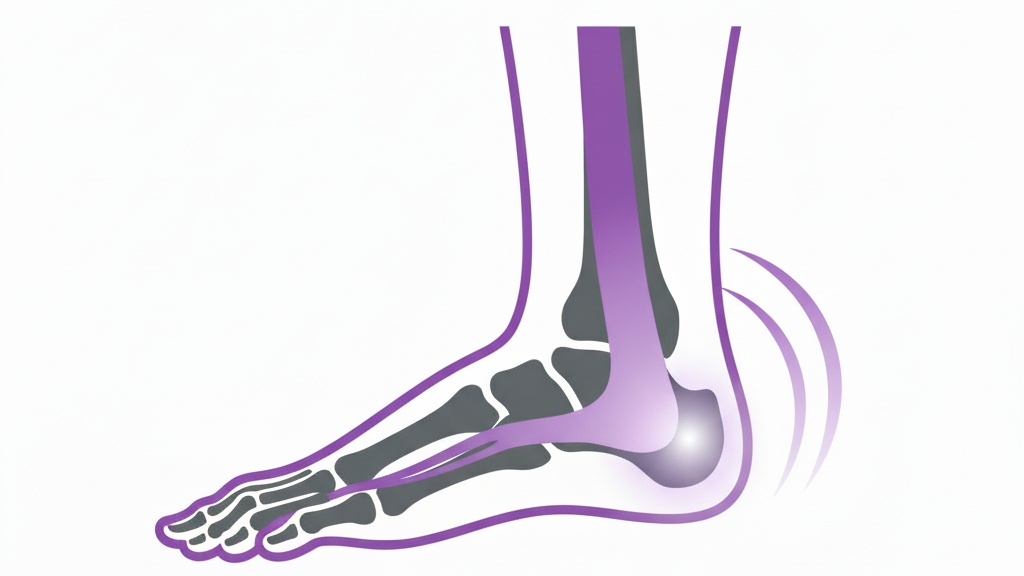
Whether you’re a competitive athlete, a weekend warrior, or simply someone who likes to stay active, injuries have a way of derailing your momentum. The frustrating part is that most injuries aren’t random — they trace back to a specific weak link: a muscle that isn’t firing properly, a joint that won’t move the way it should, or a left-to-right imbalance you can’t feel until it lets you down. At Nobility Chiropractic & Wellness in Smiths Falls, we use applied kinesiology to find those weak links and address them — so you recover faster and stay in the game longer.
What Is Applied Kinesiology?
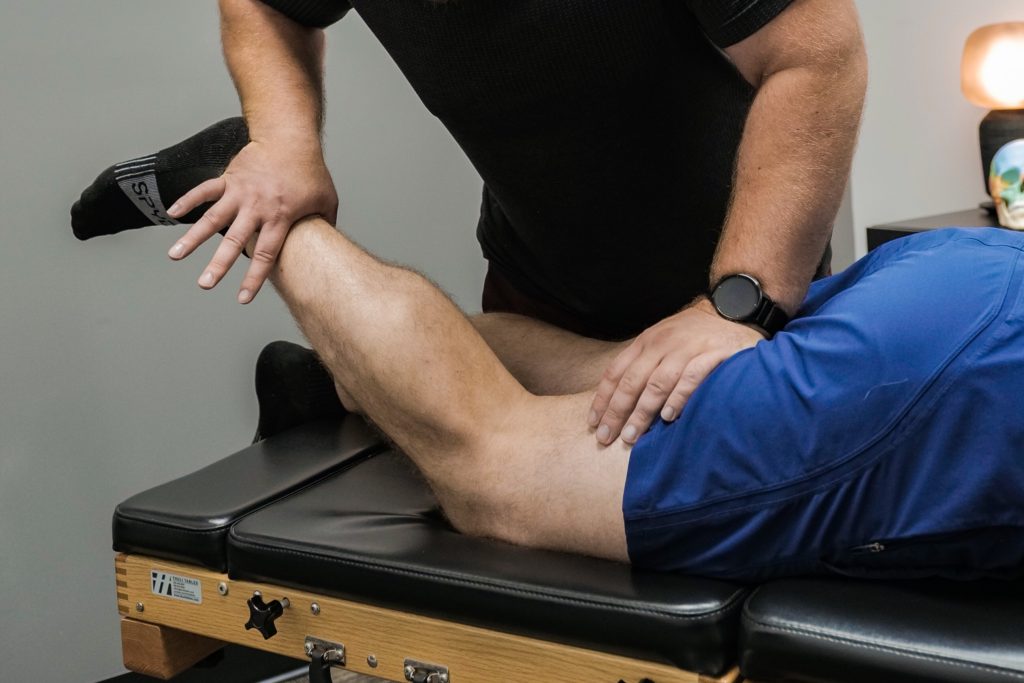
Applied kinesiology (AK) is a hands-on assessment approach that looks at how your muscles, joints, and nervous system are working together. Rather than treating a sore spot in isolation, we combine manual muscle testing with movement and neurological assessment to map out where your body is compensating — a glute that isn’t switching on, a stiff ankle changing how you land, or a stabiliser that fatigues too early. New to the idea? Start with our primer on what applied kinesiology is and how it helps correct muscle imbalances.
Why Athletes Get Injured — and Where AK Fits In
Athletes ask more of their bodies, and small imbalances add up under load. The research backs this up: left-to-right strength differences and movement asymmetries are consistently linked to a higher risk of injury.1 Put simply, when one side is quietly doing more than its share, it’s often only a matter of time before something gives. Applied kinesiology is built to catch that kind of hidden weak link before it becomes a strain or a tear. For the flip side of the same coin, see the connection between muscle testing and peak athletic performance.
Recover Faster by Treating the Cause, Not Just the Symptom
When you’re already hurt, the fastest route back is fixing what actually caused the problem — not just calming the painful area. By pinpointing the muscles that aren’t pulling their weight and the joints that aren’t moving freely, we can target treatment with adjustments, soft-tissue work, and specific corrective exercises. That means less guesswork and a more direct path back to training. It’s the same root-cause approach we take with common sport injuries like hamstring strains and ACL rehabilitation.
Prevent the Next Injury
The best injury is the one that never happens. Decades of sports-medicine research show that structured, movement-based training can cut injury rates dramatically: a systematic review in the British Journal of Sports Medicine found neuromuscular training reduced injuries in young athletes by roughly a third,2 and programs such as FIFA 11+ have produced similar drops in ankle and lower-limb injuries.3 Applied kinesiology makes that prevention personal — instead of a generic warm-up, we build a corrective plan around your specific weak links. Learn more about how we use it to enhance athletic performance and the broader role of chiropractic in sports performance.
What to Expect at Nobility Chiropractic
Your first visit starts with a thorough assessment — health history, a movement screen, and muscle and joint testing — so we understand how your body is really working. From there, Dr. Bryan Pankow builds a tailored plan that pairs hands-on treatment with targeted exercises, then re-tests to make sure the change sticks. The goal is simple: get you moving well, performing better, and staying healthy.
Book with a Sport-Focused Chiropractor in Smiths Falls
If you’re an athlete in Smiths Falls or Lanark County who’s tired of the same nagging injuries, applied kinesiology can help you find the root cause and build a plan around it. Learn more about applied kinesiology at Nobility, or book an appointment to get started.
References
- Injury risk analysis of movement restriction and body asymmetry in sports injury prediction. BMC Sports Science, Medicine and Rehabilitation, 2025.
- Neuromuscular training injury-prevention strategies in youth sport: a systematic review and meta-analysis. British Journal of Sports Medicine, 2015.
- The impact of the FIFA 11+ neuromuscular training programme on injury reduction: a systematic review and meta-analysis, 2025.