
Chiropractic Care for Plantar Fasciitis
Many individuals suffering from foot pain may not realize that chiropractic care can offer a pathway to healing. Fundamentally, this approach focuses on the musculoskeletal system and emphasizes overall body wellness. By addressing foot pain at its source, chiropractic care can help alleviate the debilitating effects of plantar fasciitis.
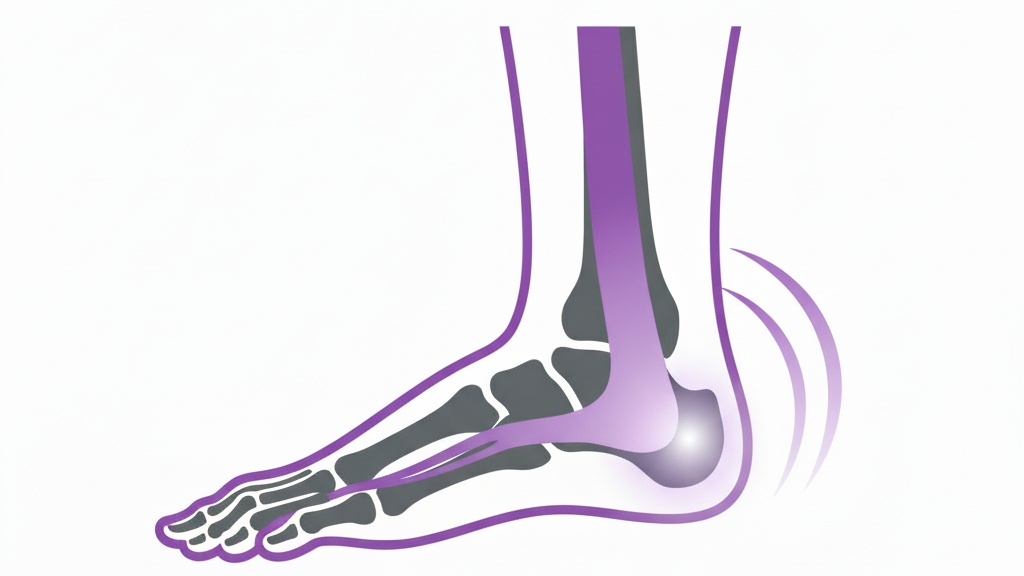
Moreover, many chiropractors are trained to evaluate and treat conditions contributing to foot discomfort. They can incorporate various techniques, including spinal adjustments, myofascial release, and therapeutic exercises, ensuring a holistic approach to recovery. Considering this, patients can expect not just temporary relief, but also long-term improvements in their foot health.
Understanding Chiropractic Techniques
Various chiropractic techniques are tailored to meet individual patient needs. Depending on the severity of the condition, these can range from gentle manipulations to more intense adjustments. Importantly, the goal is always to restore proper alignment and enhance mobility, which is crucial for those coping with plantar fasciitis.
Furthermore, chiropractors may use soft tissue therapies to help ease tension in the muscles surrounding the feet and ankles. This aspect is particularly beneficial, as tight muscles can contribute significantly to plantar fasciitis symptoms. Techniques such as trigger point therapy and deep tissue massage can release built-up tension, improving blood flow and promoting healing in the affected areas.
The Importance of a Holistic Approach
Focusing on the entire body is vital when treating plantar fasciitis. Conditions in the spine and pelvis can impact foot health, incredibly so through the chain of interconnected joints and muscles. Therefore, a holistic approach ensures that all contributing factors are considered and treated appropriately.
Additionally, addressing lifestyle factors such as footwear and activity levels plays a significant role in recovery. By modifying these elements with chiropractic care, patients can expect a more rounded and effective treatment experience.
For instance, chiropractors often recommend supportive footwear that provides proper arch support and cushioning, which can alleviate pressure on the plantar fascia. They may also suggest specific stretches and strengthening exercises that can be integrated into daily routines, helping to build resilience and prevent future flare-ups of foot pain.
Causes and Symptoms of Plantar Fasciitis
Naturally, understanding the causes behind plantar fasciitis is crucial for effective treatment. This condition often results from repetitive strain on the plantar fascia, the thick band of tissue connecting the heel to the toes. Risk factors contribute to its development, including high-impact activities, obesity, and certain foot structures.
Additionally, excessive running, jumping, or standing can exacerbate the strain on this critical tissue, leading to inflammation and pain. It’s important to recognize that even seemingly innocuous activities, such as walking on hard surfaces for extended periods, can also contribute to the onset of plantar fasciitis.
Indicators that one may have plantar fasciitis can vary from person to person. Pain typically manifests as a sharp, stabbing sensation in the heel, particularly upon waking or after periods of inactivity. Compounding the issue, many individuals report increased discomfort after prolonged sitting or standing.
This pain can often be mistaken for general fatigue or soreness, which may lead to delays in seeking appropriate treatment. Over time, the persistent discomfort can interfere with daily activities, making it essential to address the symptoms promptly to avoid further complications.
Identifying Common Symptoms
People frequently report several symptoms associated with plantar fasciitis. These can include:
- Pain during the first steps of the day
- Discomfort that worsens after prolonged activity
- Swelling and tenderness in the heel area
Consequently, recognizing these symptoms early can empower patients to seek timely intervention and potentially mitigate long-term complications. In some cases, individuals may also experience pain that radiates along the arch of the foot, which can further complicate mobility and lead to compensatory patterns in walking that may cause additional strain on other muscles and joints. It’s crucial to be attentive to these subtle signs, as they can provide valuable insights into the severity of the condition.
Risk Factors to Consider
Several risk factors can enhance the likelihood of developing plantar fasciitis. For instance:
- Age: This condition is more common among middle-aged individuals.
- Weight: Excess weight adds additional stress on the plantar fascia.
- Foot Mechanics: Flat feet or high arches can predispose one to developing this condition.
Therefore, individuals fitting these profiles should remain vigilant about foot health and consider proactive measures like chiropractic care. Furthermore, those who wear unsupportive footwear, such as flip-flops or high heels, may be at a higher risk as these shoes fail to provide adequate arch support or cushioning.
Regular stretching exercises and strengthening routines for the foot and calf muscles can also significantly prevent the onset of plantar fasciitis. It is essential to incorporate these practices into one’s daily routine.
How Chiropractic Adjustments Relieve Foot Pain
Chiropractic adjustments are crucial in alleviating foot pain caused by plantar fasciitis. By realigning the spine and pelvis, these adjustments can impact the muscles and nerves that contribute to foot discomfort. This interconnectedness between different body parts emphasizes the importance of treating the body as a whole.
Many patients report a significant decrease in foot pain after just a few sessions, demonstrating the immediate effects of chiropractic care. The adjustments help to alleviate tension in the feet and the lower back and hips, which can often be the root causes of foot pain.
Besides providing immediate relief, chiropractic care also enhances function and mobility. Posture improvement, for instance, benefits the back and can lead to a more balanced gait, reducing stress on the feet. The result?
A comprehensive strategy aimed at fostering overall well-being. Furthermore, chiropractic adjustments can also promote better alignment of the lower extremities, which is essential for athletes and active individuals who rely on their feet for performance. Ensuring that the body is aligned correctly enables individuals to engage in their favorite activities with less discomfort and a lower risk of injury.
Additional Benefits of Chiropractic Adjustments
Many patients have found that chiropractic adjustments also yield other unexpected benefits. Improved circulation is one notable advantage, enhancing the body’s ability to heal naturally. Furthermore, these adjustments may reduce inflammation, another common issue linked to plantar fasciitis. Enhanced circulation not only aids in recovery but also helps deliver essential nutrients to the affected areas, promoting faster healing and reducing downtime.
Consequently, patients often leave sessions feeling rejuvenated and more aware of their body’s needs. This awareness can lead to a greater commitment to overall health, contributing positively to the recovery process. Many individuals find themselves more motivated to engage in preventative measures, such as regular exercise and proper footwear choices, which can further mitigate the risk of future foot pain. This holistic approach fosters a deeper understanding of the body’s mechanics, empowering patients to take charge of their health.
Supporting Therapies in Chiropractic Care
Chiropractors may also incorporate additional therapies to assist with foot pain relief. For example:
- Orthotics: Custom-made shoe inserts can provide the necessary support.
- Physical Therapy: Stretching and strengthening exercises tailored to the individual.
- Cold Laser Therapy: This innovative approach may help reduce inflammation and accelerate healing.
As a result, these supportive therapies can amplify the effectiveness of chiropractic adjustments, creating a multifaceted approach to recovery. Additionally, many chiropractors emphasize the importance of lifestyle changes, such as maintaining a healthy weight and engaging in low-impact exercises, to support foot health further. These lifestyle modifications can significantly enhance the benefits of chiropractic care, ensuring that patients not only find relief but also enjoy lasting improvements in their overall well-being. By addressing the symptoms and the underlying causes of foot pain, chiropractic care offers a comprehensive path to recovery that resonates with many individuals seeking a holistic approach to their health.
Exercises and Stretches for Plantar Fasciitis
Undoubtedly, exercises and stretches are vital in managing plantar fasciitis. Targeted exercises can enhance strength and flexibility in the feet and surrounding muscles. Incorporating these practices into one’s daily routine can promote healing and minimize future flare-ups.
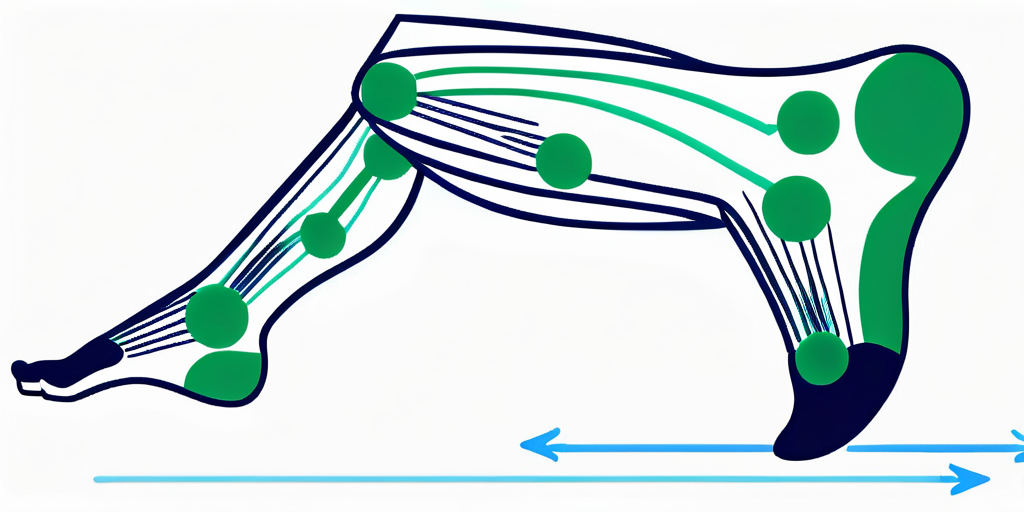
Various specific exercises can help address the discomfort associated with plantar fasciitis. These stretches relieve tension in the plantar fascia and the calf. They promote flexibility and help strengthen the affected areas.
Key Stretches to Consider
Some effective stretches include:
- Calf Stretch: Stand with one foot in front of the other, keep the back leg straight and heel on the ground.
- Plantar Fascia Stretch: Sit and cross one leg over the other, pulling back on the toes to stretch the arch.
- Toe Taps: While seated, tap your toes on the ground while keeping your heels up to engage the arches.
Each stretch should be held for 15-30 seconds and repeated daily. Consistency is key to effectively addressing foot pain. Additionally, a warm-up routine before these stretches can enhance their effectiveness. Simple activities like walking or cycling for a few minutes can increase blood flow to the muscles, making them more pliable and receptive to stretching.
Integrating Strength Training
In addition to stretching, strength training for the feet and lower legs can significantly aid recovery. Exercises such as towel scrunches or marble pickups can enhance foot strength and function. These simple exercises not only facilitate rehabilitation but also serve to prevent future injuries. Resistance training with bands or weights can also be beneficial, as it helps build overall stability in the lower extremities, which is crucial for maintaining proper alignment and reducing strain on the plantar fascia.
Furthermore, balance exercises, such as standing on one leg or using a balance board, can improve proprioception and coordination, which are essential for foot health. These activities strengthen the muscles and train the body to respond better to uneven surfaces, reducing the risk of injuries.
Integrating these exercises and stretches into a comprehensive treatment plan can empower individuals suffering from plantar fasciitis to reclaim mobility and enjoy a more active lifestyle.
Frequently Asked Questions About Chiropractic for Plantar Fasciitis
The journey toward understanding chiropractic care for plantar fasciitis raises many questions. By addressing common inquiries, patients can become more informed about what to expect from their care.
Frequently, individuals wonder about the duration of treatment. Typically, an initial assessment will determine the recommended treatment frequency, often ranging from weekly to bi-weekly sessions, depending on the severity of the condition.
Is Chiropractic Care Safe for Everyone?
Generally, chiropractic care is considered safe for individuals of all ages. However, specific health conditions may warrant special considerations. Thus, consulting with a healthcare professional before beginning any treatment plan is essential. Through careful evaluation, the chiropractor can design a personalized treatment approach.
How Long Until I Feel Relief?
Many patients begin to notice improvements after just a few sessions. Nevertheless, factors such as discomfort and individual healing rates can influence recovery time. Regular attendance and adherence to prescribed exercises can significantly impact recovery speed.
Ultimately, understanding chiropractic care and its benefits educates patients and helps them make empowered choices toward healing their plantar fasciitis.