Chiropractors play a crucial role in helping patients find relief from various conditions. Their holistic approach to healthcare and specialized knowledge of the musculoskeletal system make them well-equipped to address multiple issues. If you are curious about the common conditions chiropractors can help with, this article will provide insights into five areas where chiropractic care shines.
Common Conditions Chiropractors Can Help With – Lower Back Pain
The lower back is one of the most common areas where people experience pain. It can be debilitating and affect your quality of life due to poor posture, muscle strain, or a specific injury. Chiropractors use manual adjustments, spinal manipulations, and other techniques to alleviate lower back pain.
These noninvasive treatments can help improve spinal alignment, reduce inflammation, and promote healing, allowing you to regain mobility and relieve pain.
Furthermore, chiropractors can provide valuable guidance on proper ergonomics, exercises, and lifestyle modifications to prevent future episodes of lower back pain. By addressing the root causes and offering personalized care, chiropractors empower individuals to participate actively in their recovery journey.
Understanding the Causes of Lower Back Pain
Before delving into chiropractic solutions, it’s essential to understand the potential causes of lower back pain. Poor posture, sedentary lifestyles, muscle imbalances, herniated discs, and degenerative conditions are just a few examples. By conducting a thorough examination and discussing your medical history, chiropractors can identify the underlying causes of your pain and tailor a treatment plan accordingly.
Benefits of Chiropractic Care for Lower Back Pain
Chiropractic care offers several benefits for individuals struggling with lower back pain. Apart from pain relief, chiropractic adjustments can improve joint function, increase the range of motion, and reduce the need for medication or invasive procedures. Additionally, chiropractors take a holistic approach to healthcare, considering the interconnectedness of the whole body. Therefore, they may offer advice on nutrition, stress management, and exercise to support overall well-being.
Regarding nutrition, chiropractors understand the importance of a well-balanced diet in promoting healing and reducing inflammation. They may recommend incorporating anti-inflammatory foods such as leafy greens, fatty fish, and berries into your meals to support your body’s natural healing process. Additionally, they may suggest avoiding processed foods, sugary drinks, and excessive caffeine, as these can contribute to inflammation and worsen lower back pain.
Stress management is another crucial aspect of chiropractic care for lower back pain. Chiropractors recognize that stress can exacerbate pain and hinder the healing process. To help manage stress levels and promote a sense of calm, they may suggest relaxation techniques such as deep breathing exercises, meditation, or yoga. Incorporating these practices into your daily routine can reduce muscle tension and improve your overall well-being.
Exercise is also a key component of chiropractic care for lower back pain. Chiropractors may recommend specific exercises and stretches to strengthen the muscles supporting your lower back and improve flexibility. These exercises can help alleviate pain, prevent future injuries, and promote better posture. By incorporating regular physical activity into your routine, you can enhance the effectiveness of chiropractic treatments and maintain a healthy spine.
Common Conditions Chiropractors Can Help With – Neck Pain
Neck pain is another prevalent condition that chiropractors frequently address. Whether caused by poor posture, muscle strain, or underlying spinal issues, neck pain can significantly impact daily activities and cause discomfort. Chiropractors employ various techniques, such as spinal adjustments, mobilization, and soft tissue therapies, to alleviate neck pain and restore proper alignment.
Chiropractic care for neck pain focuses on targeting the root causes rather than providing temporary relief. By addressing muscle imbalances, improving posture, and promoting spinal alignment, chiropractors aim to alleviate pain and restore optimal function. These treatments not only offer relief from neck pain but may also reduce associated symptoms like headaches and shoulder tension.
Understanding the Mechanics of Neck Pain
Before exploring chiropractic approaches to neck pain, it’s essential to understand the mechanics of this condition. Poor posture, prolonged desk work, whiplash injuries, and degenerative conditions can all contribute to neck pain. Chiropractors perform detailed evaluations to discern the specific factors contributing to neck pain and develop a tailored treatment plan.
Benefits of Chiropractic Care for Neck Pain
Chiropractic care presents numerous benefits for individuals seeking relief from neck pain. By restoring proper alignment, chiropractic adjustments can alleviate muscle tension, reduce nerve impingement, and promote proper function. Furthermore, chiropractors often incorporate therapeutic exercises and ergonomic advice into their treatment plans to empower patients to participate actively in their recovery.
One key benefit of chiropractic care for neck pain is its holistic approach. Chiropractors understand that neck pain is often the result of various factors, including lifestyle choices and repetitive movements. Therefore, they take a comprehensive approach to address neck pain symptoms and underlying causes.
Additionally, chiropractic care is non-invasive and drug-free, making it a safe and natural alternative to pain medication or surgery. Chiropractors use gentle and precise techniques to adjust the spine and relieve pressure on the affected nerves, allowing the body to heal.
Common Conditions Chiropractors Can Help With – Headaches and Migraines
Headaches and migraines are debilitating conditions that can significantly impact an individual’s quality of life. While many people turn to medication for relief, chiropractic care offers a drug-free alternative for managing these conditions. By identifying and addressing the root causes of headaches and migraines, chiropractors aim to provide long-term relief and improve overall well-being.
Chiropractic techniques for headaches and migraines may include spinal adjustments, soft tissue therapies, and lifestyle recommendations. By focusing on the upper cervical spine, chiropractors can promote proper nerve function and relieve tension contributing to headache symptoms. Additionally, chiropractors may offer advice on stress management techniques, ergonomic improvements, and nutritional interventions to minimize the frequency and severity of headaches and migraines.
Understanding the Triggers and Types of Headaches
Headaches can have various triggers and manifestations. Common types include tension headaches, migraines, cluster headaches, and cervicogenic headaches. Understanding the characteristics and triggers of your headaches can help chiropractors devise an effective treatment plan suited to your specific needs.
Tension headaches are often caused by muscle tension and stress, resulting in a dull, aching pain that can radiate from the back of the head to the forehead. Conversely, migraines are typically characterized by severe throbbing pain, often accompanied by nausea, sensitivity to light and sound, and visual disturbances. Cluster headaches are intense and occur in clusters or cycles, causing severe pain around one eye or temple. Cervicogenic headaches originate from the neck and can cause pain radiating to the head and face.
Benefits of Chiropractic Care for Headaches and Migraines
Chiropractic care offers several benefits for individuals dealing with chronic headaches or migraines. By effectively addressing the root causes, chiropractors may help reduce the frequency and intensity of headache episodes. Furthermore, chiropractic adjustments can improve spinal alignment, alleviate muscle tension, and enhance overall nervous system function, offering a holistic approach to managing headaches and migraines.
In addition to relieving headaches and migraines, chiropractic care can improve your overall well-being. By promoting proper spinal alignment, chiropractors can help optimize nerve function throughout the body, positively affecting various other health conditions.
Improved nerve function can enhance immune system response, boost energy levels, and improve sleep quality. Chiropractic care treats symptoms and improves the body’s ability to function optimally.
Furthermore, chiropractors often take a comprehensive approach to healthcare, considering various lifestyle factors that may contribute to headaches and migraines.
They may guide stress management techniques, such as relaxation exercises and mindfulness practices, to help individuals cope better with daily stressors. Additionally, chiropractors may offer ergonomic recommendations to improve posture and reduce strain on the neck and upper back, which can contribute to headache symptoms.
They may also provide nutritional guidance, suggesting dietary changes or supplements that help reduce inflammation and support overall brain health.
Common Conditions Chiropractors Can Help With – Sciatica
Sciatica refers to pain that radiates along the sciatic nerve, which runs from the lower back down through the hips, buttocks, and legs. This condition can cause sharp, shooting pain, numbness, and tingling sensations, often affecting one side of the body. Chiropractors can employ various techniques to manage sciatica, provide relief, and restore function.
Chiropractic care for sciatica typically involves spinal adjustments, traction, and therapeutic exercises. By targeting areas of nerve impingement and improving spinal alignment, chiropractors aim to alleviate symptoms and prevent future flare-ups. Additionally, chiropractors may offer guidance on posture correction, stretches, and lifestyle modifications to support the long-term management of sciatica.
Understanding the Causes of Sciatica
Sciatica can have several underlying causes, such as herniated discs, spinal stenosis, or piriformis syndrome. Dissecting the root causes is crucial for chiropractors to design effective treatment plans tailored to the individual needs of each patient seeking relief from sciatic pain.
Benefits of Chiropractic Care for Sciatica
Chiropractic care offers numerous benefits for individuals struggling with sciatica. By addressing the condition’s underlying causes, chiropractors aim to reduce pain, improve mobility, and prevent further damage. Spinal adjustments can help alleviate nerve impingement and restore optimal nervous system function, enabling individuals to experience relief and resume their daily activities.
Sports Injuries: How Chiropractic Care Aids Recovery
Regarding sports injuries, chiropractic care can promote efficient recovery and facilitate a safe return to physical activity. While athletes often turn to chiropractors for treatment, individuals engaged in any physical activity can benefit from the expertise of these healthcare professionals.
Chiropractors employ various techniques to address sports-related injuries, including joint mobilization, soft tissue therapy, and rehabilitation exercises. By targeting areas of dysfunction and imbalances, chiropractors aim to speed up the healing process, reduce pain, and improve overall performance.
Furthermore, chiropractors often offer guidance on injury prevention strategies, training modifications, and optimizing biomechanics to minimize the risk of future injuries.
Understanding Common Sports Injuries
Sports injuries can encompass various conditions, from sprained ankles and tennis elbow to muscle strains and ligament tears. Chiropractors possess the expertise to assess these injuries and develop personalized treatment plans to aid recovery and prevent long-term consequences.
Benefits of Chiropractic Care for Sports Injuries
Chiropractic care provides several advantages for individuals recovering from sports injuries. Chiropractors accelerate healing and reduce scar tissue formation by promoting optimal joint function.
Additionally, chiropractic manipulations can help normalize muscle tone, enhance flexibility, and restore proper biomechanics, enabling athletes and active individuals to return to activities with improved performance and reduced risk of subsequent injuries.
Whether you’re dealing with lower back pain, neck pain, headaches, sciatica, or a sports injury, chiropractic care offers a holistic approach to recovery and relief. By tailoring treatment plans to individual needs and addressing the underlying causes, chiropractors empower patients to take charge of their well-being and regain a pain-free life.
In the world of fitness and health, a term has been gaining popularity lately – fascial adhesions. These adhesions, also known as fascial restrictions, are like stubborn knots that can affect the function and flexibility of your muscles and tissues. They can lead to pain, discomfort, and limited range of motion. But fear not, because in this article, we will explore various techniques and methods to release fascial adhesions and improve your overall well-being.
Foam Rolling Techniques
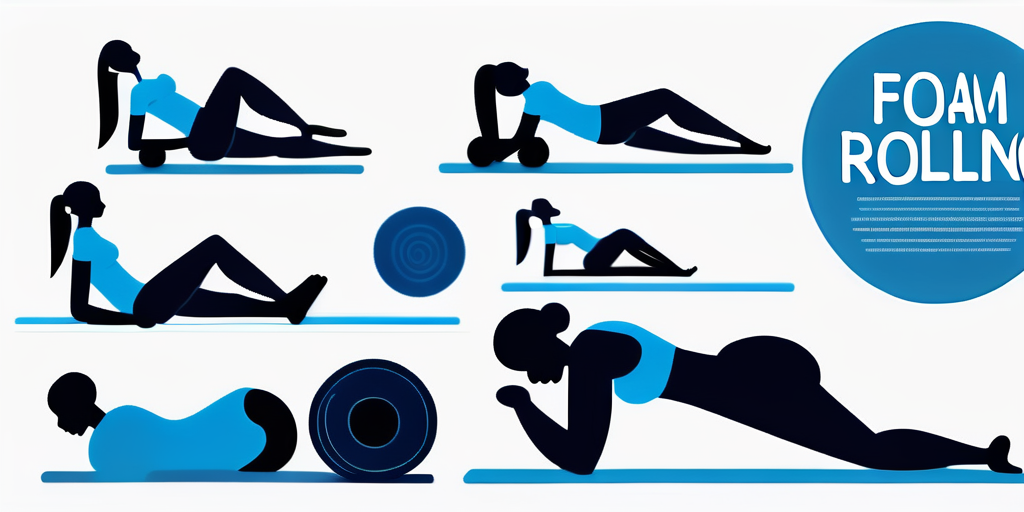
If you’re looking for a self-massage technique targeting those pesky fascial adhesions, foam rolling might be the answer you’ve been searching for. This simple yet effective technique involves using a foam roller to apply pressure to different areas of your body. It helps to break up adhesions and knots in the fascia, promoting blood flow and enhancing tissue mobility.
When using a foam roller, find a flat surface and position yourself on top of it. Begin rolling slowly and gently, targeting specific muscle groups. If you encounter a tight or tender spot, pause and apply more pressure. Take deep breaths and allow the tension to dissipate as you roll back and forth. Avoid rolling over joints or bones; always listen to your body’s feedback.
Another variation of foam rolling is using a specialized massage ball or lacrosse ball to target smaller areas, such as your feet or shoulders. By applying controlled pressure to these tight spots, you can release fascial adhesions and enjoy improved movement and flexibility.
Did you know that foam rolling can also positively impact your mental well-being? As you engage in this self-massage technique, you physically release tension and create a space for mindfulness and relaxation. Rhythmically rolling back and forth can help calm your mind and reduce stress. So, the next time you roll out your foam roller, take a moment to focus on your breath and let go of any mental clutter.
Let’s discuss implementing a rolling sequence in your foam rolling routine. By following a specific sequence, you can maximize the benefits of this technique and target different areas of your body more effectively. Start by warming up your muscles with dynamic stretches or light movements. This increases blood flow and prepares your muscles for the upcoming foam rolling session.
Next, choose a specific area you want to focus on, such as your calves or lower back. Begin by rolling slowly back and forth over that area for about 1-2 minutes. Pay attention to tight or tender spots and spend a little extra time on those areas. Switch to a different body part and repeat the process as you continue your rolling sequence.
You can effectively release fascial adhesions throughout your body by systematically addressing each area. This approach ensures that no muscle group is left behind, allowing you to experience the full benefits of foam rolling. So, take the time to create a rolling sequence that works for you and make it a regular part of your self-care routine.
Myofascial Release Methods
Myofascial release techniques are another effective way to release fascial adhesions and promote a healthy fascial network. Unlike foam rolling, myofascial release involves more focused and targeted pressure on specific trigger points.
One popular method of myofascial release is using a foam roller with grooves or ridges. This can help to target smaller areas and apply more precise pressure to release tight fascial adhesions. You can also use specialized tools like massage sticks or balls with various textures to reach deeper layers of fascia and break up stubborn adhesions.
Another myofascial release method that is gaining traction is using FasciaBlasting devices. These tools utilize vibration and pressure to directly target fascial adhesions, helping to improve blood flow and restore healthy tissue function. When using any of these methods, you must approach them patiently and gradually increase the intensity as your body adapts.
For individuals seeking a more hands-on approach to myofascial release, manual therapy techniques such as deep tissue massage or myofascial release therapy can be highly beneficial. These techniques involve a skilled practitioner applying targeted pressure to specific areas of fascial restriction, helping to break up adhesions and restore optimal tissue mobility.
Additionally, stretching exercises in your myofascial release routine can enhance the benefits of releasing fascial adhesions. Dynamic stretches that target the fascia, such as yoga or Pilates movements, can help to improve flexibility and reduce tension in the fascial network, complementing the effects of myofascial release techniques.
Trigger Points Release
Understanding trigger points in your body can significantly aid in releasing fascial adhesions. Trigger points are hyperirritable spots within a muscle that can cause referred pain or discomfort. By locating these trigger points, you can apply targeted pressure to encourage the release and relaxation of the surrounding fascia. This can be done with your hands, using gentle but firm pressure on the specific point for several seconds.
Heat Therapy for Fascial Release
Heat therapy has long been recognized for relaxing muscles and reducing pain. It can also be beneficial in releasing fascial adhesions. Applying heat to areas affected by adhesions can help increase blood flow, relax tight tissues, and promote healing.
You can use various methods to apply heat therapy to your body. Hot packs, heating pads, warm baths, or even a warm towel can all be effective tools. Apply the heat to the area for 15-20 minutes, allowing the muscles and fascia to relax and release tension. Combine heat therapy with gentle stretching for an even greater effect in releasing fascial adhesions.
Heat therapy works by dilating blood vessels and increasing the flow of oxygen and nutrients to the affected area. This increased circulation helps to speed up the body’s natural healing process, reducing pain and stiffness. Additionally, the warmth from the heat source can help to soothe muscle spasms and improve flexibility.
Precautions
While heat therapy can relieve and aid in releasing fascial adhesions, taking necessary precautions is essential. Avoid applying excessive heat or directly using heat therapy on inflamed or injured areas. Always test the temperature of the heat source to prevent burns or discomfort. It’s recommended to seek professional advice if you have any concerns or pre-existing conditions before using heat therapy for fascial release.
Stretching Exercises to Improve Flexibility
Stretching is crucial for improving flexibility and plays a significant role in releasing fascial adhesions. By incorporating certain types of stretches into your routine, you can target and release tension in your fascia.
Dynamic stretching exercises, where you move through a range of motion, can help warm up your muscles and fascia. This type of stretching is great to incorporate into your pre-workout routine. Examples include arm circles, walking lunges, or leg swings, helping to engage your fascia and prepare it for movement.
Static stretching exercises involve holding specific positions for an extended period, allowing your muscles and fascia to relax and elongate gradually. You can target particular muscle groups or areas affected by adhesions, such as the hamstrings or shoulders. Remember to breathe deeply and relax into each stretch, avoiding sudden or extreme movements.
Additionally, proprioceptive neuromuscular facilitation (PNF) stretching is a highly effective technique to improve flexibility. PNF stretching involves a combination of stretching and contracting of the muscle group being targeted. This method helps to relax the muscles and increase their length, promoting greater flexibility. An example of PNF stretching is the contract-relax technique, where you contract the muscle being stretched for a few seconds before relaxing and moving deeper into the stretch.
Listen to your body when performing stretching exercises. Pay attention to any discomfort or pain, as stretching should never be painful. Gradually increase the intensity and duration of your stretches over time to see improvements in your flexibility and range of motion. Consistency is key to reaping the benefits of stretching, so aim to incorporate these exercises into your daily routine for optimal results.
Importance of Hydration for Healthy Fascia
When it comes to releasing fascial adhesions, one often overlooked aspect is hydration. Staying properly hydrated is essential for the health and function of your fascia. Fascia comprises collagen, a protein that requires adequate hydration to maintain its elasticity and provide optimal support to your muscles and tissues.
Dehydration can decrease flexibility and elasticity in your fascia, making it more prone to adhesions and restrictions. Ensure you drink enough water throughout the day to stay hydrated. Incorporating hydrating foods such as fruits and vegetables into your diet can further support healthy fascia.
Hydration plays a vital role in the overall health of your fascia. Adequate water intake helps transport nutrients to the fascia, aiding in repair and maintenance processes. It also assists in removing waste and toxins from the fascial tissues, promoting a clean and healthy environment for optimal function.
Furthermore, maintaining proper hydration levels can improve your fascia’s flexibility and resilience. Well-hydrated fascia is more supple and responsive, allowing for better movement and reduced risk of injuries. This is especially important for athletes and individuals engaged in physical activities that strain the fascia.
In conclusion, releasing fascial adhesions is crucial for maintaining optimal muscle function, flexibility, and overall well-being. By incorporating foam rolling techniques, myofascial release methods, heat therapy, and stretching exercises into your routine, you can effectively target and release fascial adhesions, improving your body’s movement and restoring balance.
Listen to your body, seek professional advice, and stay hydrated to support healthy fascia. Embrace these techniques and unlock the potential of a pain-free and mobile body.
Are you looking to spice up your workout routine with bodyweight exercises? Look no further! This article will explore five exercises to take your fitness journey to the next level. These exercises are not only practical in building strength and improving balance, but they also require little to no equipment.
Whether you’re a beginner or a seasoned fitness enthusiast, these exercises suit everyone. So, without further ado, let’s dive into bodyweight squats and discover the benefits, proper form, and variations that will leave you feeling stronger and more empowered than ever!
1. Bodyweight Squats
Let’s start with the bodyweight squat—a classic exercise that targets multiple muscle groups, including the quadriceps, hamstrings, and glutes. Not only does it help build lower body strength, but it also plays a crucial role in improving overall balance and stability. Incorporating bodyweight squats into your routine can also increase your mobility and flexibility, making them an essential exercise for individuals of all fitness levels.
Now, let’s talk about proper form. Stand with your feet shoulder-width apart, toes pointing slightly outward. Engage your core and maintain a straight back throughout the exercise.
As you lower your body, keep your weight in your heels and lower until your thighs are parallel to the ground. Remember to exhale as you push back up to the starting position. It’s important to perform squats with control and avoid sudden movements to prevent injury.
Experiment with different squat variations to keep your workouts exciting and effective.
2. Plank: Core Stability and Strength
This exercise is essential for building core strength and improving overall stability. Holding the plank position engages multiple muscle groups simultaneously, making it highly effective for enhancing endurance and muscular tone throughout the entire body.
Lie on the floor, then push up onto your elbows and toes.
Keep your body in a straight line from your head to your heels.
Hold this position, focusing on tightening your abdominal muscles, for 20 to 30 seconds or longer.
3. Push-Ups: Upper Body and Core Engagement
Push-ups are one of the original bodyweight exercises. In strength training, they target the upper body, including the chest, shoulders, and triceps, while also engaging the core. They can be modified to suit different fitness levels and goals, such as on the knees for beginners or elevated for increased difficulty.
To perform a push-up:
Begin in a plank position with your hands slightly wider than shoulder-width apart.
Lower your body until your chest nearly touches the floor.
Push back up to the starting position, keeping your body in a straight line throughout the movement.
4. Reverse Lunges: Lower Body Strength and Balance
These are great for developing lower body strength and improving balance. Reverse lunges decrease stress on the knees compared to traditional lunges and are ideal for strengthening the glutes and hamstrings while also engaging the core for stability.
To make a reverse lunge:
Stand with your feet hip-width apart.
Step backward with one leg, lowering your hips until both knees are bent at about a 90-degree angle.
Push off your back foot to return to the starting position. Repeat on the other side.
5. Mountain Climbers: Cardiovascular Fitness and Core Strength
Mountain climbers are a high-intensity bodyweight exercise that boosts cardiovascular fitness and strengthens the core. This dynamic exercise boosts cardiovascular fitness and strengthens several muscle groups. Mountain climbers are excellent for burning calories and increasing agility and coordination by rapidly moving the legs as if running in place, challenging both the core and the heart.
To perform mountain climbers:
Start in a plank position.
Quickly draw one knee towards your chest without lifting your hips.
Switch legs rapidly as if running in place.
Incorporating these exercises into your routine will build strength, improve balance, and enhance cardiovascular health. Each exercise can be modified to suit your fitness level, ensuring a challenging yet achievable workout.
Don’t forget to focus on recovery. Happy exercising!
Weight loss is a journey that many people embark on in their quest for a healthier and happier lifestyle. While diet and exercise are commonly touted as the key factors in shedding those unwanted pounds, another tool can aid in the weight loss process: chiropractic care.
Yes, you read that right – chiropractic care can play a role in helping individuals achieve their weight loss goals. In this article, we will explore how chiropractic care can aid with weight loss, from improving spinal health to optimizing digestion and movement. So, let’s dive in and discover the link between chiropractic care and weight loss.
Understanding the Link Between Spinal Health and Metabolism
Regarding weight loss, most people focus solely on diet and exercise, often overlooking the importance of proper spinal health. The spine is the central hub of the body, responsible for housing and protecting the nervous system, which controls virtually every function within our bodies, including our metabolism. A misalignment in the spine, also known as a subluxation, can disrupt the proper flow of nerve signals, leading to a sluggish metabolism and difficulties in losing weight.
But what exactly happens when the spine is misaligned? Well, let’s dive a little deeper into the intricate connection between spinal health and metabolism. When the spine is out of alignment, it can pressure the nerves that branch out from the spinal cord. These nerves transmit messages between the brain and the rest of the body, including the organs involved in metabolism, such as the thyroid and adrenal glands.
Imagine a traffic jam on a busy highway. When the traffic flow is disrupted, it slows down the movement of vehicles, causing delays and inefficiency. Similarly, when the nerves in the spine are compressed or irritated due to misalignment, the signals between the brain and the organs can be disrupted, decreasing metabolic function.
Chiropractic adjustments, performed by skilled chiropractors, are designed to correct these subluxations by gently realigning the spine. This realignment improves spinal health and helps restore the body’s natural communication and functioning, including metabolism. By addressing underlying spinal issues, chiropractic care can provide a solid foundation for weight loss success.
The Role of Chiropractic Adjustments in Metabolism
Chiropractic adjustments not only improve spinal health but also directly impact metabolism. Studies have shown that chiropractic care can increase metabolic rate, allowing the body to burn calories more efficiently. This increase in metabolism can lead to enhanced weight loss results when combined with proper diet and exercise.
But how exactly do chiropractic adjustments influence metabolism? When the spine is aligned correctly, the nerves can transmit signals without interference. This allows the organs of metabolism to function optimally, ensuring that the body efficiently converts food into energy. Additionally, chiropractic adjustments can alleviate inflammation and reduce stress, hindering weight loss progress.
So, consider incorporating regular chiropractic adjustments into your wellness routine to boost your metabolism and supercharge your weight loss efforts. Not only will you be supporting your overall health, but you may also experience improved weight loss results. Remember, a healthy spine is not just about maintaining good posture; it’s about optimizing your body’s communication system and unlocking your full metabolic potential.
Chiropractic Adjustments: A Catalyst for Improved Digestion and Detoxification
Proper digestion and detoxification are vital components of any successful weight loss plan. When our digestive system functions optimally, we can efficiently break down and absorb nutrients from our food. However, poor spinal health can disrupt this process, leading to digestive issues such as bloating, gas, and constipation, hindering weight loss progress.
Chiropractic care can help address these digestive issues by improving spinal alignment and reducing nerve interference. When the spine is properly aligned, nerve signals can flow freely to the digestive organs, promoting optimal function. Chiropractic adjustments can also help stimulate the body’s natural detoxification processes, ensuring that harmful toxins are efficiently eliminated from the body.
The Benefits of Chiropractic Care for Digestion and Detoxification
By improving spinal health, chiropractic care can aid in digestion and detoxification, thus supporting weight loss efforts. A properly functioning digestive system ensures that essential nutrients are readily absorbed by the body, providing the energy needed for physical activity and metabolic processes. Additionally, effective detoxification can help reduce inflammation and promote overall well-being, allowing the body to function optimally.
But how exactly does chiropractic care achieve these benefits? Let’s delve into the details.
Relieving Nerve Pressure
When the spine is misaligned, it can pressure the nerves that control the digestive system. This pressure can disrupt the communication between the brain and the digestive organs, leading to various digestive issues. Chiropractic adjustments help realign the spine, relieving this pressure and allowing the nerves to function properly. As a result, the digestive system can work more efficiently, reducing symptoms such as bloating, gas, and constipation.
Stimulating the Body’s Natural Detoxification Processes
In addition to improving spinal alignment, chiropractic care also helps stimulate the body’s natural detoxification processes. The spine houses the central nervous system, which controls and coordinates all bodily functions, including detoxification. When the spine is misaligned, it can interfere with the proper functioning of the nervous system, hindering the body’s ability to eliminate toxins effectively. Chiropractic adjustments restore proper alignment, allowing the nervous system to function optimally and promoting efficient detoxification.
Furthermore, chiropractic care can help improve overall gut health. The gut is home to trillions of bacteria, collectively known as the gut microbiota, which play a crucial role in digestion and overall health. When the spine is misaligned, it can disrupt the communication between the brain and the gut, affecting the balance of the gut microbiota. Chiropractic adjustments restore this communication, promoting a healthy gut environment and supporting proper digestion.
So, it’s clear that chiropractic care is not just about spinal health. Chiropractic care can play a crucial role in aiding weight loss by addressing digestive issues and promoting detoxification. Whether you’re looking to shed a few pounds or improve your overall well-being, chiropractic adjustments can be a valuable addition to your health routine.
The Role of Chiropractic Care in Reducing Stress-Induced Weight Gain
When it comes to weight gain, stress is often an underlying culprit. Chronic stress can lead to the release of cortisol, a hormone that promotes fat storage, particularly in the abdominal area. This stress-induced weight gain can be a significant obstacle for individuals striving to lose weight.
Chiropractic care can help reduce stress levels by promoting relaxation and restoring balance to the nervous system. Through gentle adjustments, chiropractors can alleviate tension in the body and release stored stress, allowing individuals to better cope with the challenges of daily life. By reducing stress, chiropractic care can help individuals avoid stress-induced weight gain and maintain a healthy weight.
Chiropractic Techniques for Stress Reduction
Chiropractic techniques aim to address the physical and emotional components of stress. From gentle adjustments to massage therapy, chiropractors offer a variety of stress-reducing techniques that can be tailored to each individual’s needs. These techniques promote relaxation and help improve sleep quality, boost mood, and enhance overall well-being – all crucial for successful weight loss.
So, if stress is in the way of your weight loss goals, consider incorporating chiropractic care into your wellness routine. By reducing stress levels and promoting balance within the body, chiropractic care can help you overcome this obstacle and achieve lasting weight loss.
Exercise and Movement Optimization Through Chiropractic Techniques
Regular exercise is a fundamental component of any weight loss plan. However, when the body is burdened with misalignments and restrictions, it may not move efficiently, leading to decreased exercise performance and increased risk of injury. Chiropractic care can help optimize exercise and movement by enhancing joint mobility and biomechanics and reducing pain and discomfort.
Chiropractors use various techniques, such as spinal adjustments, soft tissue manipulation, and therapeutic exercises, to address these underlying issues. By restoring proper alignment and function to the body, chiropractic care can enhance exercise performance, increase the range of motion, and reduce the risk of exercise-related injuries.
Incorporating Chiropractic Techniques into Exercise Routines
In addition to regular chiropractic adjustments, individuals can benefit from incorporating specific chiropractic techniques into their exercise routines. This may include pre-exercise stretching and warm-up exercises to prepare the body for physical activity and post-exercise adjustments and stretches to promote recovery and prevent tightness or stiffness.
By combining chiropractic care with exercise, individuals can maximize their weight loss efforts and enjoy improved overall fitness. So, whether you’re a seasoned athlete or just starting your fitness journey, consider adding chiropractic care to your routine for enhanced exercise and movement optimization.
Incorporating Nutritional Counseling into Chiropractic Weight Loss Plans
While chiropractic care can provide numerous benefits for weight loss, it is important to remember that no weight loss plan is complete without proper nutrition. Chiropractors specializing in weight loss often offer nutritional counseling to help individuals make healthy dietary choices supporting their weight loss goals.
Nutritional counseling sessions typically involve personalized assessments, meal planning, and education on healthy eating habits. By addressing nutritional deficiencies and imbalances, chiropractors can help individuals optimize their diet for weight loss success. This holistic approach recognizes nutrition’s essential role in overall health and well-being.
The Synergy Between Chiropractic Care and Nutrition
Chiropractic care and nutrition go hand in hand regarding weight loss. Combining chiropractic adjustments, which support optimal body functioning, with proper nutrition, individuals can create a powerful synergy that enhances weight loss results. The improvements in spinal health, digestion, and metabolism provided by chiropractic care can be further amplified with a well-balanced diet. This allows for sustainable weight loss and long-term success.
So, consider the combined benefits of chiropractic care and nutritional counseling, whether you’re struggling to shed those last few pounds or embarking on a weight loss journey for the first time. This holistic approach can provide the support and guidance needed to achieve your weight loss goals. The holistic approach utilized in chiropractic care can help with weight loss.
The Power of Chiropractic Care in Weight Loss
As explored in this article, chiropractic care can be a valuable tool in aiding weight loss efforts. Chiropractic care offers a holistic approach to weight loss by addressing spinal health, digestion, movement, stress-induced weight gain, exercise performance, and nutrition.
It recognizes that weight loss is not just about the numbers on the scale but about promoting overall health and well-being.
So, Can Chiropractic Care Help with Weight Loss?
So, if you’re looking for a comprehensive and natural method to support your weight loss journey, consider incorporating chiropractic care into your wellness routine. Consult a trusted chiropractor to develop a personalized plan that aligns with your goals and needs. With the power of chiropractic care, you can confidently embark on your weight loss journey and achieve lasting success.
If you’re suffering from a herniated disc, you may be wondering if a chiropractor can provide the relief you need. The good news is that chiropractic care has been known to treat herniated discs and alleviate the associated pain. In this article, we will explore the different aspects of chiropractic care for herniated discs and the benefits it can offer.
Understanding Herniated Discs: Causes and Symptoms
Before delving into the chiropractic approach, it’s essential to understand what a herniated disc is and the common causes and symptoms. A herniated disc occurs when the soft inner material of a spinal disc pushes through a weakened area of the outer portion. This can result from injury, aging, or wear and tear on the spine.
A disc herniation can pressure nearby nerves, causing pain, tingling, and numbness. The location of the herniated disc will determine which areas of the body are affected. Common symptoms include back pain, leg pain, muscle weakness, and difficulty walking.
It’s crucial to note that certain risk factors can predispose individuals to developing herniated discs. These risk factors include obesity, occupations that require repetitive lifting or driving, and smoking, which can impair the blood supply to spinal discs, making them more susceptible to injury.
Furthermore, the diagnostic process for identifying a herniated disc often involves a combination of physical exams, imaging tests such as MRIs or CT scans, and a detailed review of the patient’s medical history. This approach helps pinpoint herniation location and severity, guiding personalized treatment plans.
The Chiropractic Approach to Treating Herniated Discs
The Importance of Spinal Alignment
Chiropractors focus on restoring proper alignment and function to the spine, which is crucial in treating herniated discs. They utilize manual adjustments to realign the spine and alleviate pressure on the affected disc. Chiropractic care reduces pain and improves overall spinal health by restoring proper alignment.
Chiropractic adjustments are gentle yet effective. The chiropractor will apply controlled force to specific spine areas to improve joint mobility, reduce inflammation, and promote healing in the affected disc.
Moreover, spinal alignment significantly affects the body’s overall well-being. When the spine is misaligned, it can lead to various health issues beyond just back pain. Proper alignment ensures the nervous system can function optimally, allowing for better communication between the brain and the rest of the body.
Non-Invasive and Drug-Free Treatment
One of the major advantages of chiropractic care for herniated discs is that it is a non-invasive and drug-free treatment option. Medication only masks symptoms, not the root cause. Chiropractic care, on the other hand, aims to correct the underlying issue.
Chiropractic care minimizes the risk of complications and side effects by avoiding invasive procedures and medications. This makes it a safer and more natural approach to treating herniated discs, particularly for individuals who prefer non-pharmaceutical solutions.
Furthermore, the holistic nature of chiropractic care means that it considers the body as a whole rather than just focusing on the site of pain. This approach can improve overall health and well-being, as the body is an interconnected system that must be balanced for optimal function.
Techniques Used in Chiropractic Care for Herniated Discs
Chiropractors employ various techniques to treat herniated discs, depending on each patient’s severity and specific needs. These techniques may include:
Spinal Manipulation: This is the core technique used by chiropractors. It involves applying controlled force to the spine to realign the vertebrae and reduce disc pressure.
Flexion-Distraction: This technique involves gentle stretching and flexing of the spine, which helps to decompress the disc and alleviate pain.
Instrument-Assisted Manipulation: Some chiropractors use specialized instruments to perform adjustments. This technique can be particularly beneficial for individuals who prefer a gentler approach.
Physical Therapy: Chiropractors may use exercises and stretches to enhance adjustments and promote recovery.
The techniques will depend on each patient’s needs and preferences, the chiropractor’s expertise, and the herniated disc assessment.
It’s important to note that chiropractic care for herniated discs is not a one-size-fits-all approach. Chiropractors tailor their treatment plans to address the unique circumstances of each patient. Chiropractors may use ultrasound therapy, electrical stimulation, or hot/cold therapy to alleviate pain and inflammation caused by herniated discs.
Furthermore, chiropractors emphasize the importance of patient education and empowerment in the healing process. They often provide guidance on ergonomics, posture correction, and lifestyle modifications to prevent future disc issues and promote overall spinal health. By taking a holistic approach to care, chiropractors aim to treat the immediate symptoms of a herniated disc and address the underlying causes to prevent recurrence.
The Benefits of Chiropractic Treatments for Herniated Disc Recovery
Chiropractic care offers several benefits for individuals seeking relief from a herniated disc. Firstly, chiropractic treatments are customizable to each patient’s unique needs. The chiropractor will conduct a thorough examination and assessment to develop a personalized treatment plan that addresses your specific symptoms and concerns.
In addition, chiropractic care focuses on overall spinal health, not just the herniated disc itself. Chiropractic treatments improve spinal alignment and function, enhance healing, and reduce future disc problems.
Furthermore, chiropractic care is a holistic approach encouraging active patient participation in recovery. Chiropractors often guide lifestyle modifications, exercises, and ergonomics to support healing and prevent further damage.
Moreover, chiropractic treatments for herniated disc recovery can help alleviate associated symptoms such as back pain, sciatica, and muscle weakness. Chiropractic adjustments can relieve body pain by fixing spinal alignment and the root cause of a herniated disc.
Additionally, chiropractors may incorporate other complementary therapies into the treatment plan to enhance the overall effectiveness of the recovery process. These may include heat or ice therapy, ultrasound, electrical stimulation, or therapeutic exercises to improve strength and flexibility in the surrounding muscles.
What to Expect During Chiropractic Sessions for Herniated Discs
If you seek chiropractic care for your herniated disc, knowing what to expect during your treatment sessions is important. During your initial visit, the chiropractor will conduct a thorough examination, which may include physical tests, spinal imaging, and a discussion of your medical history.
Based on the findings, the chiropractor will devise a personalized treatment plan tailored to your condition. This may involve regular chiropractic adjustments, complementary therapies such as cold therapy or electrical stimulation, and guidance on self-care measures.
Your progress will be regularly assessed throughout your chiropractic treatment, and adjustments to the treatment plan may be made accordingly. It’s essential to follow your chiropractor’s recommendations and attend all scheduled sessions for the best chance of a successful recovery.
Chiropractic care for herniated discs focuses on restoring proper alignment and function to the spine, which can help alleviate pain and improve overall mobility. By gently manipulating the spine through adjustments, chiropractors aim to reduce pressure on the affected disc and surrounding nerves, allowing for natural healing.
In addition to hands-on adjustments, chiropractors may incorporate other modalities into your treatment plan to enhance healing. These may include therapeutic exercises to strengthen the spine’s supporting muscles and ergonomic and lifestyle recommendations to prevent future injuries and maintain spinal health.
So, Can a Chiropractor Help a Herniated Disc?
Yes, they can! Chiropractors have a long history of helping patients with herniated discs recover successfully. If you’re dealing with a herniated disk and are seeking supplemental treatment options – let’s chat.
Marathons are the ultimate test of endurance, pushing runners to their mental and physical limits. With months of training leading up to the big race, marathon runners must take care of their bodies every step of the way. One question that often arises is whether marathon runners should visit a chiropractor. In this article, we will explore the role of chiropractic care in enhancing running performance and preventing injuries, as well as post-marathon recovery strategies and personalized care plans tailored to each runner’s needs.
The Role of Chiropractic Care in Enhancing Running Performance
When it comes to running, performance is everything. Whether you’re a seasoned marathon runner or just starting, optimizing your body’s alignment and biomechanics can make a difference. Chiropractors are experts in spinal health and can help identify and correct misalignments in your spine, pelvis, or other joints that may affect your running form. By improving your body’s alignment, chiropractic care can enhance your running efficiency and overall performance.
Furthermore, chiropractors can provide valuable training techniques, nutrition, and injury prevention advice. They can help you develop a personalized training plan, recommend exercises to strengthen specific muscles, and guide you on stretching and warm-up routines. Marathon runners can gain a competitive edge and reach their full potential by working closely with a chiropractor.
The Importance of Regular Chiropractic Adjustments
Regular adjustments are key to truly reaping the benefits of chiropractic care. Just like a car that needs regular tune-ups to perform at its best, your body also requires regular maintenance. Marathon training puts immense stress on your muscles and joints, increasing the risk of injury.
Regular chiropractic adjustments can help alleviate muscle tightness, reduce inflammation, and restore proper joint function. Keeping your body in optimal alignment allows you to train harder, recover faster, and reduce the risk of running-related injuries.
Moreover, chiropractic care goes beyond just physical adjustments. Chiropractors understand that running is not just a physical activity but also a mental one. They can guide mental strategies to help you overcome performance anxiety, improve focus, and stay motivated during your training.
Chiropractic care offers a holistic approach to enhancing your running performance by addressing the physical and mental aspects of running. In addition, chiropractors can assist in managing specific running-related conditions such as plantar fasciitis, shin splints, and IT band syndrome. These conditions can be debilitating and hinder your progress as a runner.
However, with the expertise of a chiropractor, you can receive targeted treatments and rehabilitation exercises to address these issues and get back on track.
It’s important to note that chiropractic care is not a quick fix but a long-term investment in your running performance. Consistency is key, and regular visits to your chiropractor can help you stay on top of your game.
So, whether you aim for a personal best in your next race or enjoy running without pain, consider incorporating chiropractic care into your training regimen. Your body will thank you, and you’ll be amazed at the difference it can make in your running performance.
Preventing Injuries: How Chiropractors Can Help Marathon Runners
One of the biggest concerns for marathon runners is the risk of injuries. The repetitive nature of running, combined with the high impact on joints and muscles, can lead to a wide range of injuries, such as shin splints, plantar fasciitis, and IT band syndrome. Chiropractors can play a vital role in preventing these injuries by identifying and treating any underlying issues impacting your running mechanics.
Chiropractic care focuses on whole-body wellness, not just isolated symptoms. By addressing the root causes of your pain or discomfort, chiropractors can develop a comprehensive treatment plan that includes adjustments, exercises, stretches, and lifestyle modifications. They can help improve your running mechanics, correct imbalances, and strengthen weak areas to reduce the risk of injuries and keep you on track with your marathon training.
The Benefits of Active Release Techniques
In addition to traditional chiropractic adjustments, chiropractors may utilize Active Release Techniques (ART) to address soft tissue injuries commonly seen in marathon runners. ART involves applying precise pressure to the affected muscles while simultaneously moving them through specific ranges of motion.
This helps break up scar tissue, release tight muscles, and improve circulation, all of which can aid in injury prevention and enhance performance. Incorporating ART into your chiropractic care plan can provide targeted relief and improve your overall running experience.
Furthermore, chiropractors can provide valuable guidance on proper nutrition and hydration for marathon runners. They understand the importance of fueling your body with the correct nutrients for optimal performance and recovery. By assessing your dietary habits and making personalized recommendations, chiropractors can help you maximize your training efforts and minimize the risk of injuries caused by nutritional deficiencies.
Additionally, chiropractors can offer advice on proper footwear and running gear. They are knowledgeable about the latest advancements in athletic shoes and can help you find the right pair that provides adequate support and cushioning for your specific foot type and running style. They may suggest compression sleeves or braces for added stability and protection during training and races.
Incorporating these additional paragraphs into your chiropractic care plan can further enhance your marathon training experience and reduce the risk of injuries. Chiropractors are skilled in addressing musculoskeletal issues and providing comprehensive support and guidance to help you reach your running goals.
Optimizing Alignment and Biomechanics for Long-Distance Running
When running long distances, even the smallest misalignment in your body can cause significant discomfort and hinder your performance. Chiropractors specialize in assessing and correcting these misalignments, helping you achieve optimal alignment and biomechanics for long-distance running.
Chiropractic adjustments and exercises can address imbalances or restrictions in your joints, muscles, and connective tissues. They can help lengthen tight muscles, improve flexibility, and correct your posture or gait imbalances. Chiropractic care improves body alignment and biomechanics, reducing pain and injury risk while enhancing running efficiency.
Moreover, chiropractors can provide valuable guidance on proper nutrition and hydration for long-distance runners. A well-balanced diet rich in essential nutrients can fuel your body for optimal performance and aid in recovery post-run. Adequate hydration is crucial for maintaining joint lubrication and regulating body temperature during endurance runs. Adding nutrition to your training can enhance running and support body alignment and biomechanics.
The Role of Gait Analysis in Chiropractic Care
A crucial aspect of optimizing alignment and biomechanics is gait analysis. Chiropractors can perform a gait analysis to assess your running mechanics and identify any abnormalities or imbalances in your movement patterns.
By analyzing your gait, chiropractors can pinpoint areas of weakness or dysfunction and develop a targeted treatment plan to address these issues. Optimize your running potential with gait analysis. Improve form or target specific muscles for better results.
Furthermore, incorporating cross-training activities such as swimming or cycling into your routine can complement your long-distance running efforts. Low-impact exercises improve fitness, strengthen muscles, and prevent injuries from running.
By diversifying your workout routine, you can:
Enhance your overall fitness level,
Boost your endurance
Promote better alignment and biomechanics for sustained long-distance running performance.
Completing a marathon is an incredible achievement, but it also takes a toll on your body. After crossing the finish line, proper recovery is essential to prevent long-term damage and promote optimal healing. Chiropractors can provide valuable post-marathon techniques to help you recover faster and get back on your feet in no time.
Post-marathon chiropractic techniques may include:
Gentle adjustments to realign your spine and joints.
Soft tissue therapies to reduce muscle soreness and inflammation
Guidance on stretching and strengthening exercises to aid recovery.
Incorporating these techniques into your post-marathon regimen can enhance your body’s healing capabilities and minimize the risk of developing chronic conditions or lingering injuries.
The Power of Cold Laser Therapy
Cold laser therapy is another valuable tool that chiropractors may use to facilitate post-marathon recovery. This non-invasive treatment uses low-level laser light to promote healing, reduce inflammation, and alleviate pain. Cold laser therapy is particularly effective in targeting deep-tissue injuries and can help marathon runners recover faster from muscle strains, ligament sprains, or joint pain. Chiropractors use modern technology to speed your recovery and get you back to training and racing with renewed energy.
Aside from the physical techniques mentioned above, chiropractors also provide valuable advice on nutrition and hydration to support your body’s recovery process. They understand that proper fueling and hydration are crucial for replenishing depleted energy stores and repairing damaged tissues.
Moreover, chiropractors can offer guidance on sleep optimization, as quality sleep plays a vital role in recovery. They can recommend sleep positions, pillows, and mattresses that promote proper spinal alignment and facilitate restful sleep – allowing your body to heal and regenerate more effectively.
Additionally, chiropractors can educate you on gradually returning to exercise after a marathon. They can help you develop a personalized plan that gradually reintroduces physical activity, ensuring your body has enough time to recover and rebuild strength without risking further injury.
By seeking post-marathon chiropractic care, you are taking proactive steps towards a faster recovery and investing in your long-term well-being. Chiropractors provide comprehensive support to help you bounce back from the physical demands of a marathon, allowing you to continue pursuing your passion for running with confidence and resilience.
Personalized Care Plans: Tailoring Chiropractic to Each Runner’s Needs
Every marathon runner is unique, and their chiropractic care should reflect that. Chiropractors understand that individualizing treatment plans is crucial to achieving optimal results. By assessing your needs, goals, and underlying health conditions, chiropractors can develop personalized care plans that address your concerns and optimize your running performance.
Personalized care plans may include a combination of chiropractic adjustments, exercise routines, nutritional guidance, and lifestyle modifications tailored to your unique circumstances.
Chiropractors can work closely with you throughout your marathon training journey, adjusting your care plan and providing ongoing support and guidance. With a personalized approach to chiropractic care, marathon runners can improve their running performance, prevent injuries, and achieve their marathon goals.
In conclusion, chiropractic care can significantly enhance running performance, prevent injuries, optimize alignment and biomechanics, facilitate post-marathon recovery, and provide personalized care plans tailored to each marathon runner’s needs. Chiropractic care can benefit marathon runners of all levels.
Chiropractic care can help you reach new heights in your running journey and make every mile count by prioritizing your body’s alignment, mechanics, and overall well-being.