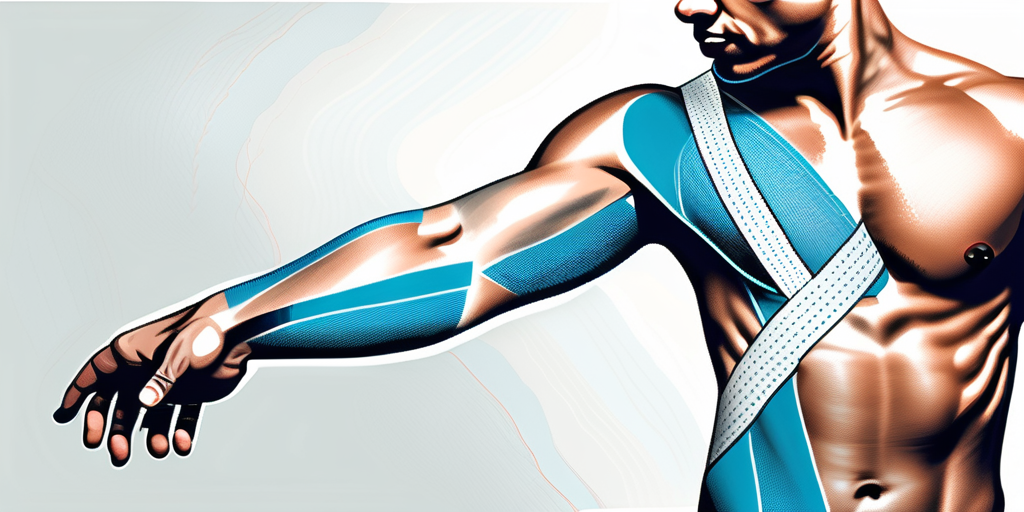
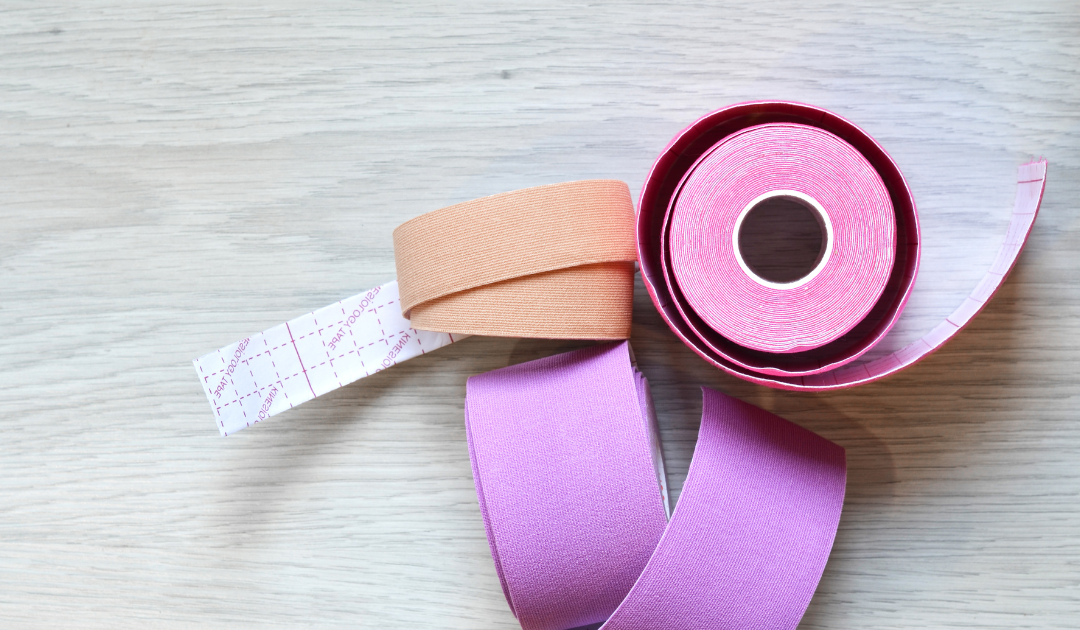
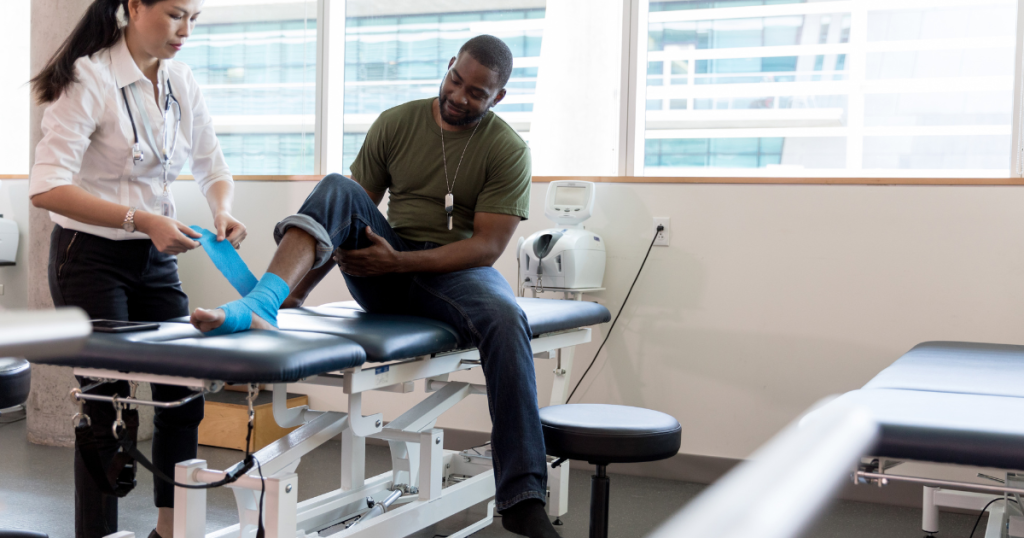
Kinesiology tape has gained popularity recently, becoming a go-to tool for athletes and individuals seeking pain relief and support for their muscles and joints. But how does this colorful tape work?
This article will explore the science behind kinesiology tape and its various applications. From its basics to its mechanisms of action, we will uncover the secrets behind this remarkable tool.
Understanding the Basics of Kinesiology Tape
Before diving into the intricacies of kinesiology tape’s functionality, it is crucial to understand its fundamental principles. Unlike traditional athletic tape, which aims to restrict movement and provide rigid support, the tape used by kinesiologists is designed to facilitate movement while offering gentle support and pain relief.
This tape is meticulously crafted from elastic cotton fibers to deliver unparalleled flexibility, breathability, and comfort for the user.
The History and Development of Taping in Kinesiology
Kinesiology tape originated in the 1970s when Dr. Kenzo Kase, a Japanese chiropractor, developed a new approach to treating musculoskeletal injuries. Dr. Kase recognized the limitations of traditional tapes and created a tape that mimicked the properties of human skin. Through careful experimentation and research, he formulated the concept of kinesiology taping based on his understanding of human anatomy, physiology, and biomechanics.
Dr. Kase’s groundbreaking work revolutionized the field of sports medicine and rehabilitation. His innovative tape provided support and pain relief and enhanced the body’s natural healing processes. The elastic cotton fibers of kinesiology tape mimic the elasticity and breathability of human skin, allowing for optimal movement and comfort.
Since its inception, kinesiology taping has undergone continuous refinement and improvement. Today, healthcare professionals, athletic trainers, and individuals extensively use it to tackle various conditions, from sports injuries to chronic pain. The versatility and effectiveness of kinesiology tape have made it a staple in sports and rehabilitation.
How Kinesiology Tape Differs from Traditional Athletic Tape
While kinesiology and traditional athletic tape support muscles and joints, they employ different approaches to achieve their goals.
Traditional athletic tape primarily provides immobilization and stability. It restricts movement and offers rigid support to injured areas, commonly used in sports like boxing or weightlifting. However, traditional athletic tape can limit the body’s natural range of motion and hinder healing.
In contrast, kinesiology tape allows for a wider range of motion while providing support and pain relief. Its elastic properties promote healthy movement patterns without compromising stability, making it an excellent choice for athletes who need to maintain their agility and flexibility while recovering from an injury.
Additionally, traditional athletic tape is usually applied in a specific pattern to restrict movement. In contrast, kinesiology tape can be utilized in multiple ways, depending on the intended outcome. Its versatility and adaptability make it invaluable for treating various conditions. Kinesiology tape addresses specific requirements, such as reducing swelling, boosting muscle function, or easing discomfort.
Mechanisms of Action: How Kinesiology Tape Supports Muscles and Joints
Now that we understand the basics, let’s explore how kinesiology tape works magic.
One of the fundamental mechanisms behind kinesiology tape’s effectiveness is its ability to lift the skin, creating space between the layers. This lifting action has several beneficial effects on the body. First and foremost, it enhances blood and lymphatic circulation, improving nutrient and waste exchange in the tissues. By increasing circulation, kinesiology tape aids in reducing inflammation and promoting faster recovery.
The lift provided by the tape also supports and stabilizes muscles and joints. When applied correctly, kinesiology tape can help alleviate muscle tension and pain by facilitating proper biomechanical alignment. It is a gentle reminder to the body, encouraging correct movement patterns and reducing stress on injured or overused areas.
Additionally, kinesiology tape provides sensory feedback to the body, enhancing proprioception—our sense of position and movement. Stimulating the skin and underlying tissues creates sensory input, allowing the brain and muscles to communicate better. This heightened proprioception can improve coordination, balance, and overall athletic performance.
Moreover, it is versatile in its application. It can be used not only for injury rehabilitation but also as a preventive measure. Athletes often use tape to support muscles and joints during intense training sessions or competitions, reducing the risk of strains or sprains.
Furthermore, the adhesive properties of kinesiology tape are designed to withstand various environmental conditions, making it suitable for use during water-based activities or in hot and humid climates. This durability ensures that the tape remains in place and continues to provide support and feedback to the body, even during rigorous physical activities.
Typical Applications and Benefits of Kinesiology Tape
The versatile kinesiology tape is an essential tool that kinesiologists can use for various applications.
One everyday use of kinesiology tape is in the management of sports-related injuries. Whether sprained ankles, strained muscles, or tendinitis, kinesiology tape can provide targeted support and pain relief to help athletes get back on their feet and in the game. Its ability to promote blood flow and reduce inflammation makes it an excellent tool for injury rehabilitation.
Beyond sports injuries, kinesiology tape can benefit individuals with chronic pain conditions like arthritis or fibromyalgia. Providing gentle compression and support can help alleviate pain and improve function in affected areas.
Kinesiology tape is an essential tool in physical therapy and rehabilitation. It plays a crucial role in rehabilitation programs by facilitating muscle retraining, correcting posture, and stabilizing joints.
In addition to these applications, kinesiology tape has found its way into dance. Dancers often push their bodies to the limit, subjecting themselves to intense physical demands. Kinesiology tape can support and protect vulnerable areas, such as the ankles, knees, and wrists, allowing dancers to perform confidently and reduce the risk of injury.
Furthermore, kinesiology tape has gained popularity in pregnancy and postpartum care. It can support the abdomen and lower back, helping alleviate discomfort and promote proper posture during pregnancy. After childbirth, kinesiology tape can aid recovery by providing gentle support to the abdominal muscles and promoting proper alignment.
It is important to note that while kinesiology tape can offer significant benefits, it is not a cure-all solution. It should be part of a comprehensive treatment plan alongside appropriate medical or professional advice.
Kinesiology tape proliferates in various sectors thanks to its unique properties and proven effectiveness. By understanding how this remarkable tape works, we can better appreciate its potential to support our bodies and enhance our well-being.
Embracing the Benefits of Kinesiology
Kinesiology has become a staple in sports and rehabilitation due to its unique properties and proven effectiveness. Its ability to provide support while allowing for a wide range of motion makes it an invaluable tool for athletes and individuals alike.
From enhancing blood flow and reducing inflammation to improving proprioception and preventing injuries, kinesiology tape offers a versatile and holistic approach to musculoskeletal health. Whether you’re an athlete recovering from an injury or someone dealing with chronic pain, kinesiology tape can play a significant role in your overall treatment plan.
Embracing this innovative tool can lead to better performance, faster recovery, and improved quality of life.
As an athlete, taking care of your body is essential for achieving peak performance. While training, conditioning, and recovery exercises are often prioritized, one area that is often overlooked is hip health. The hips play a crucial role in athletic movements, and ensuring their flexibility and strength can significantly impact overall performance. One method that can greatly benefit athletes is hip massage.
Understanding the Importance of Hip Health for Athletes
Before delving into the benefits of hip massage, it’s crucial to understand the significance of hip health for athletes. The hips act as a bridge between the upper and lower body, transferring power and energy during movements such as running, jumping, and changing direction. Flexibility and mobility in the hips can enhance the range of motion, allowing athletes to move more efficiently and precisely.
However, the repetitive nature of many sports activities can lead to tightness and imbalances in the hip muscles. This can hinder athletic performance, increase the risk of injury, and impede recovery. That’s where hip massage comes in.
During a hip massage, a trained therapist will focus on releasing tension in the hip flexors, glutes, and surrounding muscles. This can help improve blood flow to the area, reduce muscle soreness, and enhance flexibility. The therapist can help restore hip balance and alignment by targeting specific trigger points and knots, promoting optimal function.
Athletes who incorporate regular hip massages into their training regimen may experience improved performance, reduced risk of injuries such as strains and sprains, and faster recovery times. Additionally, maintaining healthy hip mobility can positively impact overall posture and alignment, translating to better athletic form and efficiency in movement patterns.
How Hip Massage Enhances Athletic Performance
Hip massage offers many benefits that can significantly enhance an athlete’s performance. Firstly, it helps to relieve tension and tightness in the hip muscles, promoting optimal flexibility and range of motion. This can improve athletes’ ability to perform explosive movements, agility drills, and quick direction changes.
Moreover, hip massage helps increase blood flow to the hip area, enhancing nutrient delivery and waste removal. This improved circulation can reduce inflammation and promote faster recovery after intense workouts or competitions.
Additionally, hip massage can help to correct imbalances between the hip muscles, ensuring proper alignment and reducing the risk of compensation injuries. By targeting specific muscle groups, such as the hip flexors, glutes, and adductors, athletes can experience improved muscle activation and coordination.
The Role of Hip Mobility in Athletic Performance
Optimizing hip mobility is crucial for athletes seeking to maximize their performance on the field or court. Strong hip abductors and adductors are essential for lateral movements, while flexible hip flexors are necessary for explosive actions such as sprinting and jumping.
Furthermore, balanced hip musculature can prevent injury by reducing strain on other body areas. When the hips function optimally, the knees, ankles, and lower back are less stressed, decreasing the risk of overuse injuries.
However, it’s important to note that hip mobility is not solely determined by the muscles surrounding the hip joint. Other factors, such as joint capsule tightness and fascial restrictions, can also impact hip mobility. That’s where hip massage plays a crucial role.
During a hip massage, a skilled therapist targets the muscles and works on releasing tension in the joint capsule and fascia. By applying specific techniques, such as myofascial release and joint mobilizations, the therapist can help improve the overall mobility of the hip joint.
Furthermore, hip massage can address common issues that athletes may face, such as hip impingement or tightness in the iliotibial (IT) band. These conditions can limit hip mobility and cause pain during movement. Therapists can help alleviate these issues by incorporating targeted massage techniques and restoring optimal hip function.
Hip massage is a valuable tool for athletes looking to enhance their performance. Hip massage can significantly optimize hip mobility and reduce the risk of injuries by promoting flexibility, improving circulation, correcting imbalances, and addressing joint and fascial restrictions. So, whether you’re a professional athlete or a weekend warrior, consider incorporating hip massage into your training routine to take your performance to the next level.
Key Hip Massage Techniques for Athletes
Several effective hip massage techniques are available for athletes. Myofascial release is widely used, which targets the connective tissue surrounding the muscles. This can help break down adhesions and improve the overall function of the hip muscles.
Another technique is deep tissue massage, which targets the deeper layers of muscle tissue. This can benefit athletes who experience chronic tightness or muscle imbalances in the hip area. Deep tissue massage can help to release trigger points and restore optimal muscle function.
Stretching exercises and assisted stretching can also be incorporated into hip massage sessions. These techniques can further enhance the hip joints’ flexibility and range of motion, promoting optimal athletic performance.
Utilizing Foam Rolling for Hip Mobility
Incorporating foam rolling into a hip massage routine can significantly benefit athletes. Foam rolling exercises target the muscles and fascia surrounding the hips, helping to release tension and improve mobility. Using a foam roller, athletes can perform self-myofascial release techniques to alleviate tightness and optimize hip function.
Some effective foam rolling exercises for the hips include rolling the iliotibial (IT) band, gluteus maximus, and tensor fasciae latae (TFL) muscle. These exercises can be performed before or after a workout or competition to enhance hip mobility and reduce muscle soreness.
Furthermore, incorporating heat therapy into hip massage sessions can benefit athletes. Heat therapy, such as warm towels or heating pads, can help relax the muscles and increase blood flow to the hip area. This can aid in the release of tension and promote faster recovery from intense physical activity.
In addition to heat therapy, aromatherapy can be integrated into hip massage sessions to enhance the overall experience. Essential oils such as lavender or eucalyptus can create a soothing and refreshing atmosphere, promoting relaxation and reducing stress. The pleasant scent of these oils can also positively impact the athlete’s mood and mental well-being.
Proper Post-Massage Care for Optimal Results
After a hip massage session, athletes should take proper care of their bodies to maximize the benefits. This includes staying hydrated to flush out toxins released during the massage and aid muscle recovery. They are also recommended to engage in light stretching or gentle exercises to maintain the improved flexibility and range of motion achieved through the massage.
Additionally, athletes should avoid intense physical activity immediately after a hip massage to allow the body to fully absorb the benefits of the session. Taking the time to rest and relax can further enhance the positive effects of the massage and promote overall well-being.
By incorporating these additional techniques and practices into hip massage sessions, athletes can experience enhanced performance, improved recovery, and a greater sense of well-being. Whether through foam rolling, heat therapy, or post-massage care, athletes can optimize their hip health and elevate their athletic abilities.
The Role of Hip Massage in Injury Prevention
One of the most significant benefits of hip massage for athletes is its role in injury prevention. By addressing tightness, imbalances, and restricted range of motion in the hip muscles, athletes can reduce the risk of common injuries such as hip strains, IT band syndrome, and groin pulls.
When the hip muscles are free from tension and able to move efficiently, the likelihood of compensatory movements and overuse injuries is greatly diminished. Incorporating regular hip massage into an athlete’s training routine can provide a proactive approach to injury prevention and long-term athletic success.
Furthermore, hip massage can also improve an athlete’s overall performance by enhancing flexibility and muscle function. Increased blood flow to the hip muscles during massage helps to promote relaxation and reduce muscle soreness, allowing athletes to move more freely and powerfully during training and competition.
In addition to physical benefits, hip massage can positively impact an athlete’s mental well-being. The relaxation and stress relief provided by massage can help athletes maintain focus, reduce anxiety, and improve sleep quality, which are crucial for optimal athletic performance.
Benefits of Hip Massage for Recovery and Rehabilitation
Hip massage can be vital in promoting healing and restoring functionality during the recovery and rehabilitation phase. By increasing blood flow and circulation to the hip area, massage can accelerate the removal of metabolic waste products and reduce inflammation.
In addition to its physical benefits, hip massage also offers psychological benefits for athletes in recovery. The hands-on nature of massage promotes relaxation, reduces stress, and relieves anxiety. This can be especially beneficial during the emotional challenges often accompanying injury recovery.
Furthermore, hip massage can help break down scar tissue that forms during the healing process, restoring proper muscle function. By incorporating hip massage into a comprehensive rehabilitation program, athletes can expedite their return to play and minimize re-injury risk.
It’s important to note that a trained professional should perform hip massages to ensure the correct techniques are used for optimal results. A skilled massage therapist can target specific muscles and areas of tension in the hip, tailoring the treatment to the individual’s needs.
Additionally, using massage oils or creams during the hip massage can enhance the experience by reducing friction and providing a soothing sensation. Some therapists may incorporate aromatherapy into the session, using essential oils known for their healing properties to promote relaxation and pain relief.
Overall, hip massage is a physical therapy and a holistic approach to recovery, addressing both the body and mind. It can be a valuable tool in rehabilitation, helping athletes regain strength, flexibility, and confidence as they work towards full recovery.
Integrating Hip Massage into an Athletic Training Routine
Lastly, integrating hip massage into an athlete’s training routine is essential for reaping its numerous benefits. Whether you’re a professional athlete or enjoy recreational sports, finding the time to prioritize hip health is crucial.
Consider incorporating regular hip massage sessions into your routine, either through self-massage techniques or by seeking the assistance of a licensed massage therapist. Doing so can optimize hip mobility, enhance performance, prevent injuries, and facilitate effective recovery.
Remember, the benefits of hip massage extend far beyond the athletic arena. By prioritizing your hip health, you can experience improved quality of life, increased physical functionality, and a sense of overall well-being.
Applied Kinesiology (AK) is a holistic health approach that combines principles from chiropractic care, muscle testing, nutrition, osteopathy, and other fields. Practitioners use AK to assess and treat imbalances in the body. They identify underlying issues by analyzing muscle function and related organs, glands, and bones.
These issues may cause health problems. This article will explore the principles, history, techniques, benefits, and joint conditions treated in Applied Kinesiology and cover what patients can expect during a session.
Understanding the Principles of Applied Kinesiology
Applied Kinesiology’s core concept is that the body is a complex interconnected system. Practitioners believe that imbalances in one area can affect other areas, leading to various health issues. Practitioners assess muscle strength and weakness to gain insights into the body’s energy flow and identify areas that require attention.
Through muscle testing, Applied Kinesiology practitioners believe they can tap into the body’s innate wisdom and gather valuable information about physical, chemical, and emotional factors contributing to health problems. This information then guides the development of a personalized treatment plan tailored to each individual’s unique needs.
One fascinating aspect of Applied Kinesiology is the incorporation of Chinese medicine principles. Practitioners may use techniques such as acupressure points or meridian therapy to help restore balance to the body’s energy flow. AK offers a comprehensive approach to health and wellness by combining Western anatomical knowledge with Eastern holistic practices.
Furthermore, Applied Kinesiology is not limited to physical health concerns. Practitioners also consider the impact of nutritional deficiencies, allergies, and emotional stress on the body’s well-being. This holistic approach addresses the root causes of health issues rather than just treating symptoms, promoting long-term healing and vitality.
The History and Development of Applied Kinesiology
The roots of Applied Kinesiology date back to the 1960s. Dr. George Goodheart, a chiropractor, made a groundbreaking discovery that revolutionized holistic healthcare. He observed a correlation between muscle weakness and organ dysfunction. This led him to explore the connections between the body’s muscular, skeletal, and neurological systems. This pivotal moment marked the inception of Applied Kinesiology (AK) and laid the groundwork for a new healthcare paradigm.
As he continued his research, Dr. Goodheart developed a comprehensive assessment and treatment system. He integrated principles from chiropractic, osteopathy, and traditional Chinese medicine. This innovative approach addressed musculoskeletal issues and explored the underlying causes of health imbalances. It emphasized the interconnectedness of the body’s systems.
Applied Kinesiology has evolved significantly over the years. Dedicated practitioners have guided its refinement and advancement. Today, certified Applied Kinesiology practitioners undergo rigorous training. They master the intricate techniques and methodologies of this holistic modality. By combining manual muscle testing, nutritional counseling, and structural alignments, AK practitioners offer a unique perspective on health and wellness. This approach continues to resonate within the chiropractic community and beyond.
How Applied Kinesiology Differs from Traditional Chiropractic Care
While both Applied Kinesiology and traditional chiropractic care strive to improve overall health and well-being, there are key differences between the two approaches. Traditional chiropractic care primarily focuses on the musculoskeletal system, particularly the spine, and utilizes manual adjustments to correct misalignments.
On the other hand, Applied Kinesiology integrates aspects of traditional chiropractic care along with interventions typically associated with other allied health professions. It addresses structural issues and considers the influence of nutrition, emotions, circulation, and other factors on health. AK practitioners use muscle testing to assess the body’s response to specific stimuli, including nutritional supplements, exercises, and emotional stressors, to inform their treatment recommendations.
Traditional chiropractic care focuses mainly on the physical aspects of the body. Chiropractors use their hands to manually adjust the spine to restore proper alignment and alleviate pain. This approach has been proven effective in treating conditions such as back pain, neck pain, and headaches.
Applied Kinesiology takes a broad view of health, recognizing that the body is a complex system with various factors contributing to imbalances and discomfort. By incorporating muscle testing, AK practitioners may be able to identify structural issues, nutritional deficiencies, emotional stressors, and even energetic imbalances.
The Benefits of Applied Kinesiology for Patients
Applied Kinesiology offers numerous potential benefits for patients seeking holistic healthcare options. By addressing imbalances in the body, AK aims to promote optimal health and well-being in a natural and non-invasive way. Some potential benefits of Applied Kinesiology include:
Improved overall body function: By identifying and addressing underlying imbalances, AK can help improve the functioning of various systems in the body, leading to better overall health.
AK offers relief from pain and discomfort by employing structural adjustments, nutritional support, and emotional balancing. This approach enables individuals to achieve a higher quality of life with less pain and discomfort.
Enhanced energy levels and vitality: By optimizing the body’s systems and addressing deficiencies or imbalances, AK can help boost energy levels and restore vitality.
Quicker recovery from injuries: Applied Kinesiology can aid in the healing process by identifying and addressing any underlying factors hindering recovery, allowing individuals to bounce back faster.
Better digestion and nutrient absorption: By considering the role of nutrition in health, AK can help improve digestion and nutrient absorption, ensuring that the body receives the necessary building blocks for optimal function.
Moreover, Applied Kinesiology empowers patients by providing them with valuable insights into their own health. By actively participating in their treatment plan, individuals can better understand their body’s needs and make informed choices to support their well-being.
While traditional chiropractic care focuses primarily on the physical aspects of health, Applied Kinesiology helps practitioners to take a holistic approach, considering the interconnectedness of the body, mind, and emotions. By addressing imbalances in all these areas, AK aims to promote optimal health and well-being for its patients.
Looking for an Applied Kinesiologist near Smiths Falls, Ontario? Let’s get in touch!
Have you ever wondered if bad posture can cause scoliosis? The answer is not as straightforward as you might think. This article will delve into the relationship between bad posture and scoliosis, exploring this spinal condition’s causes and risk factors. We will also discuss the difference between scoliosis and postural issues and how bad posture can affect spinal health. So, let’s dive in and unravel the truths about bad posture and its potential connection to scoliosis.
Understanding Scoliosis: Causes and Risk Factors
Before we explore the link between bad posture and scoliosis, let’s take a moment to understand what scoliosis is and what factors contribute to its development. Scoliosis is characterized by an abnormal spine curvature, typically in an “S” or “C” shape. While the exact cause of scoliosis remains unknown in most cases, several risk factors have been identified.
Genetics and family history play a significant role in scoliosis development. If you have a family member with scoliosis, your likelihood of developing the condition is higher. Additionally, certain medical conditions, such as muscular dystrophy and cerebral palsy, can increase the risk of scoliosis.
It’s important to note that scoliosis can manifest at any age, but it is most commonly diagnosed during adolescence when growth spurts occur. The curvature of the spine can progress over time, leading to potential health issues if left untreated. Regular screenings and early detection are crucial in managing scoliosis effectively.
Now that we better understand scoliosis and its causes let’s delve into the difference between scoliosis and postural issues.
The Difference Between Scoliosis and Postural Issues
While bad posture and scoliosis can affect spine alignment, it’s important to differentiate between them. Postural issues refer to temporary misalignments caused by habits such as slouching or sitting in a hunched position for extended periods.
On the other hand, scoliosis involves a structural abnormality of the spine that persists even when the individual is consciously trying to improve their posture. The curvature in scoliosis is typically accompanied by rotation of the vertebrae, causing a three-dimensional deformation.
Understanding the difference between scoliosis and postural issues helps us grasp the potential impact of bad posture on spinal health.
It is crucial to note that while postural issues can lead to discomfort and muscle strain, they are usually reversible with conscious effort and proper ergonomics. Simple adjustments in daily habits, such as maintaining a neutral spine while sitting and standing, can significantly improve postural alignment.
Conversely, scoliosis is a more complex condition that often requires medical intervention. Depending on the severity of the curvature and its impact on bodily functions, treatment options for scoliosis may range from physical therapy and bracing to surgical correction.
How Bad Posture Affects Spinal Health
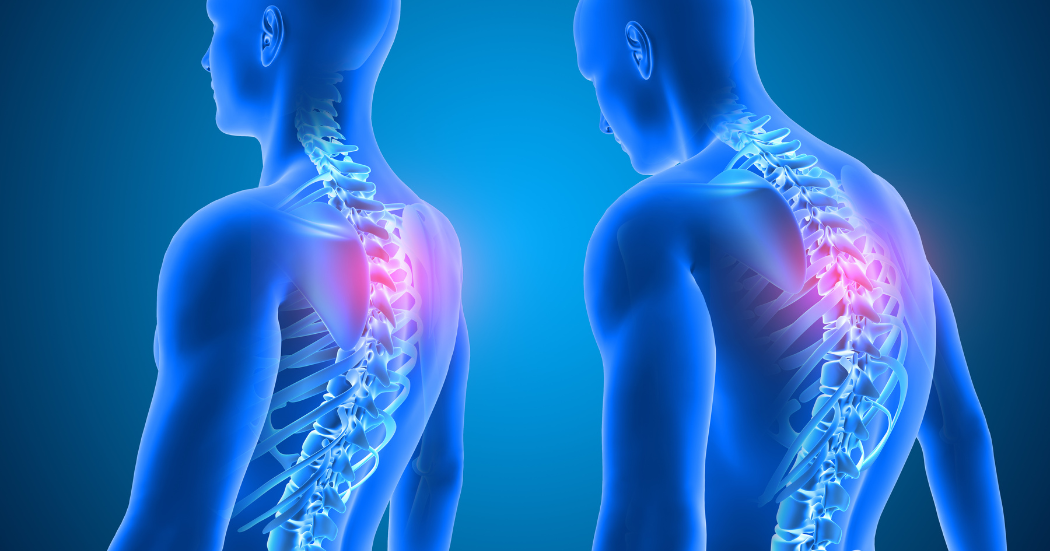
Although bad posture may not directly cause scoliosis, it can contribute to poor spinal health. Consistently maintaining a slouched or hunched position places excessive stress on the spine, leading to muscle imbalances and tightness.
When the muscles supporting the spine become imbalanced, it can alter its normal curvature, exacerbating postural issues. Over time, these postural issues can lead to discomfort, pain, and even decreased mobility.
It’s crucial to recognize the impact of bad posture on spinal health and take proactive measures to maintain a healthy spine.
The Role of Genetics and Environment in Scoliosis Development
While bad posture may not directly cause scoliosis, genetics and environmental factors play a more significant role in its development. As mentioned earlier, having a family member with scoliosis increases one’s risk of developing the condition.
Furthermore, certain environmental factors, such as poor nutrition and lack of exercise, can contribute to the progression of scoliosis. Considering genetic and environmental factors, adopting a whole-body approach to spinal health is essential.
Can Poor Posture Lead to Scoliosis?
While poor posture may not lead to scoliosis, it can exacerbate spinal conditions or contribute to postural issues. As mentioned, bad posture places unnecessary stress on the spine, leading to muscle imbalances and discomfort.
Therefore, it’s crucial to be mindful of your posture and take steps to correct any postural issues you may already have. Engaging in regular exercise, practicing proper ergonomics, and seeking professional guidance if needed can help improve your posture and maintain spinal health.
Additionally, it’s important to understand that maintaining good posture goes beyond just sitting up straight. It involves a holistic approach that encompasses various aspects of your lifestyle. For instance, incorporating core-strengthening exercises into your fitness routine can help support your spine and improve posture.
Furthermore, paying attention to your workstation’s ergonomics is crucial in preventing postural issues. Adjusting your chair and desk height, using a supportive chair with proper lumbar support, and positioning your computer monitor at eye level can all contribute to maintaining a healthy posture.
Moreover, it’s worth mentioning that poor posture affects your spinal health and can impact your overall well-being. Studies have shown that slouching can lead to decreased lung capacity, digestive issues, and even affect mood and self-confidence.
Understanding the detrimental effects of bad posture and taking proactive steps to improve it can significantly enhance your spinal health and overall quality of life. Remember, it’s never too late to start practicing good posture habits and prioritize the well-being of your spine.
Preventing Postural Problems and Maintaining Spinal Health
To prevent postural problems and maintain spinal health, it’s important to develop habits that promote good posture. Here are some tips to consider:
Practice Proper Ergonomics
Proper ergonomics are essential for maintaining good posture. When sitting, ensure your feet are flat on the floor, and your knees are at a 90-degree angle. The chair should support your back, and your shoulders should be relaxed. Avoid slouching or hunching forward, as this can strain your spine and lead to postural problems.
Engage in Regular Exercise
Regular exercise is crucial for strengthening the muscles that support your spine. Focus on exercises that target your core, such as planks and bridges, and exercises that improve flexibility, like yoga or Pilates. Strong and flexible muscles help maintain proper alignment and reduce the risk of postural issues.
Take Breaks from Prolonged Sitting
While having a dedicated exercise routine is important, taking breaks from prolonged sitting is equally important. Sitting for long periods can lead to muscle stiffness and imbalances, negatively affecting your posture. Set a timer to remind yourself to get up and stretch every hour. Take a short walk or perform simple stretches to keep your muscles loose and promote spinal health.
Use Supportive Pillows or Cushions
Supportive pillows or cushions can help maintain proper alignment while sitting or sleeping. When sitting, use a cushion that provides lumbar support to help maintain the natural curve of your lower back. Choose a pillow that keeps your head and neck aligned with your spine when sleeping. This helps reduce neck and upper back strain, promoting spinal health.
Seek Professional Help
If you’re already experiencing postural issues, seeking professional help is essential. Chiropractic care or physical therapy can provide targeted treatments and exercises to address your needs. These professionals can help correct imbalances, improve posture, and alleviate pain or discomfort associated with postural problems.
Avoid One-Sided Heavy Bags
Carrying heavy bags on one side of your body can contribute to muscle imbalances and postural issues. If you frequently carry a bag or backpack, distribute the weight evenly using both shoulders or opt for a backpack with two straps. This helps prevent strain on one side of your body and promotes a more balanced posture.
By incorporating these preventive measures into your daily routine, you can reduce the risk of postural problems and improve your overall spinal health. Practicing good ergonomics, regular exercise, taking breaks from sitting, using supportive pillows or cushions, seeking professional guidance when needed, and avoiding one-sided heavy bags can promote optimal spinal health and prevent postural issues.
Many people strive to maintain a healthy body weight. However, with modern life’s fast-paced pace and abundance of unhealthy food options, achieving and sustaining a healthy weight can be challenging. That’s where nutritional counseling comes into play. In this article, we will explore the role of nutrition in weight management and discuss the benefits of seeking professional guidance. So, if you’re ready to take control of your weight and transform your lifestyle, let’s dive in!
Understanding the Role of Nutrition in Weight Management
Nutrition plays a crucial role in managing weight. Our bodies require a balance of essential nutrients to function optimally, and what we eat directly impacts our weight.
Nutritional counselors are trained professionals who can help individuals understand the science behind weight management and make informed choices about their diet.
One of the key concepts that nutritional counseling emphasizes is the principle of energy balance. This means that the energy we consume through food should match the energy we expend through physical activity. Understanding this balance is essential for achieving and maintaining a healthy weight. Nutritional counselors help clients recognize how different foods affect their energy levels and metabolism, allowing them to make better choices that support weight loss or maintenance goals.
The Benefits of Nutritional Counseling
Seeking the guidance of a professional nutritionist offers numerous advantages on your weight management journey. First and foremost, nutritional counseling provides a personalized approach that caters to your unique needs and goals. Everyone’s body is different, and what works for one person may not work for another. By working closely with a nutritional counselor, you can develop an individualized plan tailored to your dietary preferences, lifestyle, and health conditions.
Accountability and Support
Furthermore, nutritional counseling provides accountability and support. Changing long-standing eating habits and adopting healthier choices can be difficult, but having someone in your corner cheering you on can make all the difference. A nutritional counselor will provide ongoing guidance and motivation, helping you stay on track and overcome any obstacles that may arise during your weight management journey.
A Focus on Education
Another significant benefit of nutritional counseling is the focus on education. Rather than simply prescribing a one-size-fits-all diet, a professional nutritionist will equip you with the knowledge and tools necessary to make sustainable changes. Understanding the impact of different food groups, portion control techniques, and strategies to combat emotional eating allows you to maintain a healthy relationship with food long-term.
Address Health Concerns outside of Weight Loss
Moreover, nutritional counseling goes beyond just weight management. It can also address various health conditions and concerns. For example, if you have diabetes, a nutritionist can help you create a meal plan that helps regulate your blood sugar levels. If you have high blood pressure, a nutritionist can guide you toward a low-sodium and potassium diet, which can help lower your blood pressure.
Addressing these underlying health issues through nutrition can improve your overall well-being and reduce the risk of further complications.
Additionally, nutritional counseling takes into account the psychological aspect of eating. Many people struggle with emotional eating, where they turn to food to cope with stress, sadness, or other emotions.
A nutritional counselor can help you identify triggers and develop strategies to manage emotional eating, such as finding alternative coping mechanisms or practicing mindful eating. By addressing the emotional component of eating, you can develop a healthier relationship with food and improve your overall mental well-being.
How a Personalized Approach Can Aid Weight Loss
When it comes to weight loss, a personalized approach can make all the difference. Nutritional counselors consider your body composition, metabolism, and lifestyle factors to design a plan that suits your needs. This customized approach ensures that your dietary choices align with your weight management goals, making it easier to shed those unwanted pounds.
In a society inundated with fad diets and quick-fix weight loss solutions, nutritional counseling takes a comprehensive and sustainable approach. Instead of relying on restrictive eating patterns or eliminating entire food groups, a professional nutritionist will help you develop a well-rounded and enjoyable eating plan. By including a variety of nutrient-dense whole foods, you can meet your nutritional needs while still enjoying the foods you love.
But what exactly does a personalized approach to weight loss entail? It starts with thoroughly assessing your current health status and lifestyle habits. A nutritional counselor will consider your age, gender, activity level, and underlying medical conditions. This information helps them create a tailored plan addressing your needs and challenges.
Furthermore, a personalized approach to weight loss goes beyond just the food you eat. It also takes into account your individual preferences and goals. For example, if you have a busy schedule and find it challenging to cook every meal from scratch, a nutritionist can provide practical tips and meal-planning strategies to help you make healthier choices on the go.
The Importance of Macronutrients and Portion Control
Understanding macronutrients and portion control is essential for weight management. Macronutrients, including carbohydrates, proteins, and fats, are the building blocks of our diet and provide us with energy. A nutritional counselor will educate you on the role of each macronutrient in weight management and guide you in making balanced food choices.
But it’s not just about knowing what macronutrients are; it’s also about understanding how to incorporate them into your meals in the right proportions. This is where portion control comes in. By learning to recognize proper portion sizes, you can ensure you consume an appropriate number of calories for your body’s needs. Nutritional counselors can teach you practical strategies for portion control, such as using smaller plates and bowls, measuring food accurately, and being mindful of your hunger cues.
Moreover, a personalized approach to weight loss considers your macronutrient needs. For example, if you have a higher protein requirement due to your fitness goals or a medical condition, a nutritionist can help you create a meal plan that supports your weight loss efforts. This level of customization ensures that you are nourishing your body adequately while working towards your desired weight.
Incorporating Whole Foods into Your Diet
The benefits of including whole foods in your diet cannot be overstated. Whole foods are minimally processed and provide an array of vitamins, minerals, and fiber that can support weight management. Incorporating whole foods into your meals and snacks can improve your diet’s nutritional value while reducing your empty calories intake.
A nutritional counselor can help you identify whole food options that align with your taste preferences and lifestyle. From fresh fruits and vegetables to lean proteins, whole grains, and healthy fats, they will guide you in making choices that promote weight loss and overall well-being. With their expertise, you can discover many delicious and nutritious foods that satisfy your cravings and energize you throughout the day.
One great way to incorporate whole foods into your diet is by exploring the world of farmers’ markets. These vibrant and bustling markets offer abundant fresh, locally grown produce bursting with flavor and nutrients. By shopping at farmers’ markets, you support local farmers and the community and have the opportunity to try unique varieties of fruits and vegetables you may not find in traditional grocery stores.
Furthermore, cooking at home using whole ingredients can be a fun and rewarding experience. Experimenting with different recipes and flavors allows you to tailor your meals to your tastes and dietary needs.
You can try making homemade sauces and dressings using fresh herbs and spices or explore new cooking techniques that bring out the natural flavors of whole foods. Not only will you have control over the ingredients you use, but you will also gain a deeper appreciation for the food you eat.
Strategies for Managing Emotional Eating and Food Cravings
For many individuals, emotional eating and food cravings can pose significant challenges when it comes to weight management. Nutritional counselors understand the complex relationship between food and emotions and can provide strategies to help manage these behaviors. They can help you develop coping mechanisms that do not rely on food, such as practicing mindfulness, engaging in stress-reducing activities, and seeking emotional support when needed.
Additionally, a nutritional counselor can help you develop a healthy relationship with food and make peace with your cravings. You can regain control over your eating habits by practicing mindful eating and listening to your body’s hunger and fullness cues.
Creating a supportive environment is another effective strategy for managing emotional eating and food cravings. Surrounding yourself with friends and family who understand and support your goals can make a difference. They can provide encouragement and accountability and even join you in exploring new healthy recipes and cooking techniques. By building a solid support system, you can navigate the challenges of emotional eating and cravings with confidence and success.
In conclusion, incorporating whole foods into your diet is a powerful way to improve your nutritional intake and support weight management. With the guidance of a nutritional counselor, you can discover a world of delicious and nutritious options that will nourish your body and satisfy your taste buds.
By implementing strategies to manage emotional eating and food cravings, you can develop a healthy relationship with food and make choices that align with your goals. So start exploring the wonders of whole foods today and journey towards a healthier, more vibrant you!
The Impact of Regular Nutritional Counseling Sessions
Regular nutritional counseling sessions can profoundly impact your weight management journey. These sessions allow you to check in, receive guidance, and make any necessary adjustments to your plan. As you progress, your nutritional counselor can help you set new goals and overcome plateaus, ensuring you stay on track.
Moreover, regular sessions act as a form of accountability. Regularly reporting your progress and sharing any challenges you may face will make you more likely to stay committed and motivated. Your nutritional counselor will offer valuable support and guidance during these times, helping you navigate obstacles and celebrating your successes.
Nutritional counseling plays a vital role in weight management. By understanding the impact of nutrition on our bodies and seeking professional guidance, we can make informed choices that promote sustainable weight loss and overall well-being.
Through a personalized approach that considers our unique needs and goals, nutritional counseling can equip us with the knowledge and skills necessary to make lasting changes. So start your journey towards a healthier, more fulfilling life today by enlisting the support of a nutritional counselor!
If you have been living with the constant ringing or buzzing in the ears known as tinnitus, you understand how frustrating and disruptive it can be. Tinnitus can interfere with your daily life, making concentrating, sleeping, or enjoying peaceful moments difficult. While there is no cure for this condition, various treatment options are available to alleviate its symptoms. One alternative therapy that has gained attention in recent years is chiropractic care.
This article will explore whether visiting a chiropractor for tinnitus is viable and how it may help provide relief.
Understanding Tinnitus: Causes and Symptoms
Before delving into the potential effectiveness of chiropractic care for tinnitus, it is essential to understand the condition itself. Tinnitus is not a disease but a symptom of an underlying issue. It manifests as a sensation of sound, such as ringing, buzzing, hissing, or clicking, in the ears or head.
Common causes of tinnitus include exposure to loud noises, age-related hearing loss, ear wax blockage, certain medications, and underlying health conditions.
While tinnitus affects individuals differently, the common thread is the impact on quality of life. Some people may experience temporary tinnitus, while others have to cope with the persistent presence of these sounds. The severity can range from mild irritations to debilitating disruptions. Understanding the causes and symptoms of tinnitus is crucial for exploring potential treatment options, including chiropractic care.
Research suggests that chiropractic care may benefit individuals experiencing tinnitus. Chiropractors focus on the relationship between the spine and the nervous system, ensuring proper alignment and function. Since the auditory system is intricately connected to the central nervous system, misalignments in the spine could affect how the brain processes sound, contributing to tinnitus symptoms.
Chiropractic adjustments aim to correct these misalignments, known as subluxations, which may help alleviate symptoms associated with tinnitus. Chiropractic care seeks to optimize the body’s ability to heal and maintain overall well-being by restoring proper alignment and function to the spine. While individual responses to chiropractic treatment may vary, some tinnitus sufferers have reported improvements in their symptoms’ intensity and frequency after chiropractic adjustments.
How Chiropractic Care Can Help with Tinnitus
Chiropractic care primarily focuses on the musculoskeletal system and its connection to overall health. While chiropractic treatment has traditionally been associated with spinal adjustments for back or neck pain, its holistic approach extends to various conditions, including tinnitus.
Since tinnitus often accompanies neck and head issues, chiropractors believe that misalignments in the spine can contribute to its development or exacerbation. By realigning the spine and restoring proper vertebral positioning, chiropractic adjustments aim to alleviate the symptoms associated with tinnitus. These adjustments may improve blood flow, reduce muscle tension, and enhance nerve function, potentially relieving the persistent ringing or buzzing sounds.
Additionally, chiropractic care encompasses a range of complementary therapies, including acupuncture, massage, and dietary recommendations. By addressing the whole body, chiropractors strive to restore balance and promote overall well-being, potentially influencing tinnitus symptoms.
Spinal Adjustments
One technique chiropractors use to address tinnitus symptoms directly is spinal adjustments. These targeted manipulations correct any misalignments or subluxations in the spine that may contribute to tinnitus. By restoring proper nerve function and improving overall body balance, spinal adjustments aim to provide relief.
Cervical Spine Manipulation
Another technique is cervical spine manipulation. The neck plays a critical role in auditory function, and misalignments in this area can affect tinnitus symptoms. Chiropractic techniques that focus on the cervical spine help release tension and promote proper nerve communication, potentially reducing the intensity of tinnitus sounds.
Soft Tissue Therapy
Chiropractors may also employ soft tissue therapy to relieve muscle tension and reduce potential trigger points that may aggravate tinnitus symptoms. Techniques such as massage, myofascial release, or trigger point therapy can help relax the muscles and promote well-being.
It is important to note that the effectiveness of chiropractic care for tinnitus may vary from person to person. Some individuals may experience significant relief, while others may not notice a significant change. If you are considering chiropractic care for tinnitus, it is essential to consult with a qualified chiropractor who has experience in treating this condition.
The Role of Spinal Health in Auditory Function
Proper spinal health is crucial for overall well-being. The spine, which protects the spinal cord, transmits messages between the brain and the rest of the body. When misalignments or subluxations occur in the spine, the communication between the brain and other systems can be disrupted.
Research suggests that misalignments in the upper cervical vertebrae, particularly the atlas and axis, can impact auditory function. Correcting these misalignments through chiropractic adjustments may positively influence the nerve pathways associated with tinnitus. Improved nerve function and increased blood flow to the ears are among the potential benefits of optimized spinal health.
Benefits of Chiropractic Care for Managing Tinnitus
While chiropractic care may not be the right solution for everyone, it offers several potential benefits for managing tinnitus:
Non-Invasive Approach: Chiropractic care focuses on natural healing methods, avoiding invasive procedures or pharmaceutical interventions.
Complementary Therapies: Chiropractors often incorporate various complementary therapies into their treatment plans, offering a holistic approach that may address multiple factors contributing to tinnitus.
Individualized Treatment: Chiropractors tailor their treatment plans to meet each patient’s needs, ensuring personalized care and attention.
Potential for Symptom Relief: While results may vary, many individuals report improved tinnitus symptoms following chiropractic care.
Overall Well-Being: Chiropractic care aims to optimize the body’s natural healing abilities, promoting overall well-being and quality of life.
Considerations for Chiropractic Care
Although research on the effectiveness of chiropractic care for tinnitus is limited, many individuals have found relief and improvements in their symptoms through regular chiropractic treatments. Suppose you are considering chiropractic care for your tinnitus. In that case, consulting with a qualified chiropractor to discuss your specific condition and determine the most appropriate approach for your unique situation is essential.
Furthermore, it is important to note that chiropractic care is not limited to spinal adjustments alone. Chiropractors often employ various techniques to address the underlying causes of tinnitus. These may include soft tissue therapy, such as massage or stretching exercises, to alleviate muscle tension and improve blood flow to the affected areas. Additionally, chiropractors may recommend lifestyle modifications, such as dietary changes or stress management techniques, to support the body’s natural healing process.
Moreover, chiropractic care can provide benefits beyond tinnitus management. By improving spinal health, chiropractic adjustments can enhance overall nervous system function, improving overall health and well-being. Many individuals who undergo chiropractic care report experiencing reduced pain, increased mobility, and improved sleep quality. These additional benefits can contribute to a better quality of life for individuals struggling with tinnitus.
Final Thoughts
While there is no definitive cure for tinnitus, visiting a chiropractor to explore potential relief is a valid option. Chiropractic care offers a non-invasive, holistic approach that focuses on spinal health and overall well-being, potentially providing symptom relief for those experiencing tinnitus. While individual results may vary, many have significantly improved their symptoms through chiropractic treatments.
If you’re struggling with tinnitus, consider consulting with a chiropractor to discuss whether this alternative therapy is right for you.