
Habits for Healthy Sleep

Habits for Healthy Sleep

Do you toss and turn all night, yearning for a good night’s sleep? You’re not alone. In our fast-paced world, achieving quality sleep can feel like a luxury. Fortunately, by incorporating healthy sleep habits into your routine, you can transform your bedroom into a sleep sanctuary and wake up refreshed and energized.

Crafting Your Sleep Haven

The environment you sleep in plays a crucial role in promoting restful slumber. Here are some habits to create a sleep-conducive space:

  • Temperature Control: Our bodies naturally cool down as we prepare for sleep. Mimic this process by keeping your bedroom between 60 and 67 degrees Fahrenheit (15.5 and 19.5 degrees Celsius). If you tend to get cold feet, wear loose socks to keep them warm without restricting blood flow.
  • Embrace Darkness: Light disrupts the production of melatonin, the sleep hormone. Invest in blackout curtains to block any stray light from streetlamps or headlights. Weatherstrip your doors to prevent light from seeping through cracks, and remove electronics with indicator lights from your bedroom.

Power Down Before Bed: Electronics emit blue light, which suppresses melatonin production and tricks your brain into thinking it’s daytime. Avoid using electronic devices like smartphones, laptops, and TVs for at least two hours before bedtime.

Develop a Relaxing Routine

Creating a consistent sleep schedule helps regulate your body’s natural sleep-wake cycle, making it easier to fall asleep and wake up refreshed. Here are some habits to establish a relaxing bedtime routine:

  • Wind Down Gradually: Don’t expect to fall asleep instantly after a busy day. Allow yourself at least 30 minutes to unwind before bedtime. Take a warm bath, read a light book, listen to calming music, or practice gentle stretches. These activities signal to your body that it’s time to wind down and prepare for sleep.
  • Find Your Sleep Window: Aim to fall asleep consistently between 8:00 pm and midnight. This timeframe aligns with your natural circadian rhythm, promoting deeper and more restorative sleep. Sticking to a consistent sleep schedule, even on weekends, will help regulate your body’s natural sleep-wake cycle.
  • Ditch the Afternoon Caffeine: Caffeine has a half-life of 5-6 hours, meaning it takes that long for your body to eliminate half the amount you consumed. To avoid sleep disruption, reduce caffeine intake by early afternoon, especially if you’re sensitive to its effects.

Minimize Blue Light Exposure

Blue light, heavily present in electronic devices and some artificial lights, disrupts melatonin production. Here are some habits to minimize blue light exposure:

  • Dim the Screens: If you must use electronics in the evening, consider using apps like f.lux or Twilight that filter out blue light. These apps adjust the color temperature of your screen to emit a warmer light that has less impact on melatonin production.
  • Embrace Daylight: Exposure to natural light during the day helps regulate your sleep-wake cycle. Open your curtains in the morning and get some sunlight exposure throughout the day. If natural light isn’t readily available, invest in daylight-mimicking light bulbs.
  • Consider Red or Orange Light Bulbs: Most bulbs emit blue light, part of the white light spectrum. In the evening, switch to red or orange light bulbs to create a more sleep-conducive environment. Budget-friendly options include orange party bulbs, while smart light systems like Philips Hue offer greater control over light color and intensity.

Relaxation Techniques for a Calmer Mind

A calm mind promotes better sleep. Here are some habits to quiet your mind before bed:

  • Take a Warm Bath: A hot bath 90-120 minutes before bed can help you relax and signal to your body that it’s time to wind down. Consider adding magnesium flakes or salts to your bath for an extra dose of relaxation. Magnesium deficiency is common and can contribute to sleep problems.
  • Quiet Your Mind: Before bed, try reading a light book, meditating, or practicing simple breathing exercises. Avoid activities that require focus or screen time, as this can stimulate your brain and make it harder to fall asleep.

Additional Tips:

  • Regular Exercise: Regular physical activity can improve sleep quality. However, avoid strenuous workouts close to bedtime, as they can be stimulating. Aim for exercise at least a few hours before bed.
  • Create a Sleep-Friendly Diet: Avoid heavy meals, sugary foods, and alcohol close to bedtime, as they can disrupt sleep. Opt for a light, healthy dinner a few hours before bed.
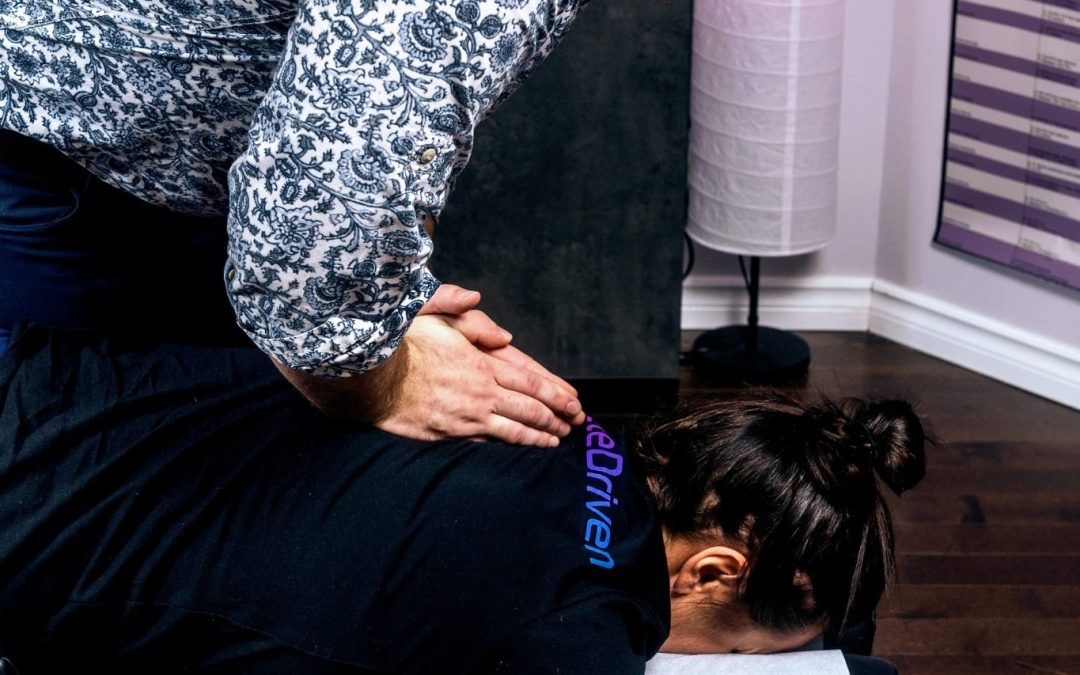
  • See a Chiropractor (Optional): If pain is keeping you awake, a chiropractor may be able to help. Studies show that chiropractic adjustments can improve sleep quality for some individuals.

Ready to start developing Habits for Healthy Sleep?

By incorporating these habits into your routine, you can cultivate a sleep-supportive environment and develop a healthy sleep schedule. Remember, consistency is key!

The more you prioritize these practices, the easier it will become to drift off to sleep peacefully and wake up feeling refreshed and ready to take on the day.

Looking for a chiropractor in Smiths Falls? Let’s chat!

Why was I in Costa Rica?

Why was I in Costa Rica?

I’ve been asked a lot what I was doing in Costa Rica the past couple weeks and thought it would be good to get one long answer out all at once.
I went down to Costa Rica with an Ottawa -based charity, Camp Aftermath, which was founded to serve Military Veterans and First Responders with PTSD.
Many researchers no longer see PTSD as a reaction to a single traumatic event, rather as a culmination of factors which can include exposure to trauma, but also the lack of purpose, a support group, appropriate supportive habits, and their childhood experiences.
Camp Aftermath then, was designed to address many of these factors as it can, to give its participants not just an experience in Costa Rica, but a sense of purpose through volunteering; a chance to develop positive habits and routines through structured participation in meditation, yoga, group and individual therapy; to develop a support network through coming together with others in a similar situation; and to set goals moving forward.
The trip included an incredible staff, including the charity’s founder, Farid Yaghini, its 2I/C (Second in Command), Matt Borax, Psychologist Dr. John Whelan, Neuropsychologist Dr. Karen Shue, and myself to oversee the participant’s journey.
The experience in Costa Rica, while incredible, is not the most important part of the program. The final phase of the program is taking what is learned and putting it into action back home in Canada. During this phase, participants are encouraged to get involved with other local charities that resonate with them or give them a sense of purpose as volunteers.  The Camp Aftermath program includes weekly video follow-ups, and monthly in-person meetings for who live close enough to attend, to maintain accountability on the goals that have been set.
This was an interesting experience for me. My connection to this world is twofold. I’ve come to enjoy working with military personnel thanks to one of my mentors, Jeff Depatie. But there’s also a more personal connection. My great grandfather was a WWII veteran, and even all those years later when I knew him, he still had vivid nightmares of his time in the war. He was an incredible man in many different ways, and I never understood how something could still wake him up in the middle of the night almost 60 years later.
This phase of the Camp Aftermath program was doubly rewarding for me, as I not only got to volunteer with Camp Aftermath to help those with PTSD, I was also afforded the opportunity to volunteer alongside the participants to help build a home, to plant trees and to meet 1500 stray/abandoned dogs during my journey.
They’re an awesome organization helping a community that is under-served in many ways, I highly recommend looking them up! If you’re in the Ottawa area, Camp Aftermath really puts the “fun” in “fundraiser” with some great trivia and Paint Nites!
Client of the Month: Jeff Depatie

Client of the Month: Jeff Depatie

Client of the Month: Jeffrey-David Depatie

February’s Client of the Month is Jeffery-David Depatie, a retired Tier-1 Special Forces Operator turned entrepreneur. Since retirement, Jeff has taken on many projects, including The Process,  and creating The Meraki Collective, a co-working space in Smiths Falls.

Being ex-military, Jeff’s responses are, focused, short and to the point, but insight into the mindset of a Special Forces operator are always interesting. If you want to hear an expanded take on Jeff’s life, you can check out his feature on SOFREP radio!

Hobbies

I spend a lot of my time focusing on concentration/contemplation/meditation.

Why did you seek Applied Kinesiology care?

Longevity . Sustainability. AK is an integral part to a holistic approach to health.

What benefits have you seen since starting Applied Kinesiology Care?

I feel more centred. Less neck pain. Better skeletal alignment

Last book you read

Siddhārtha

Favourite movie 

Anything by Christopher Nolan
Should Every Athlete be Seeing a Chiropractor?

Should Every Athlete be Seeing a Chiropractor?

Should Every Athlete be Seeing a Chiropractor?

“Chiropractic just makes you feel so much better. When I walk out of the clinic, I feel like I’m about three inches taller and everything’s in place. And as long as I see the chiropractor, I feel like I’m one step ahead of the game.”

-Tom Brady, 5 time Superbowl champion

An estimated 90% of world class athletes use a chiropractor as part of their training and competition preparation (1). As Tom Brady highlights, chiropractic provides verifiable physical benefits like having “[everything] in place,” as well as mental benefits like feeling “one step ahead of the game.” Clearly, elite level athletes know that chiropractic plays a key role in keeping them healthy and preparing for competition.

Many people think of chiropractic as a tool to help recovery, and they are right. Chiropractic can help athletes return to play stronger than ever. A study of 20 female distance runners looked at the differences in a control group and one using chiropractic as part of their rehabilitation program as a means of rehabilitation. But even more interesting, a secondary finding of this study was that 5 of the runners achieved PR times in their 10k, and an additional 2 noted PR times in their half-marathon times (2), this while coming back from an injury.

Chiropractic can also help to correct posture. A forward head posture can lead to long term muscle strain, disc herniation, arthritis, or pinched nerves (3); This implies that chiropractors may help reduce injuries in athletes at any level. Forward head postures have been linked to loss of up to 30% of vital lung capacity (4), and helping to correct this may improve vital lung capacity, which allows for easier breathing. As you have probably experienced when exercising or playing a sport with a stuffed nose, easier breathing (and a higher lung capacity) allows you to give your best effort for longer.

Not only will improving posture give performance improvements on the field, but improving posture has been linked to reduction in cortisol and increases in testosterone (5). Reduced cortisol and increased testosterone both help improve recovery from regular activity (so you feel better after games/practices/workouts), as well as improve injury recovery and rehabilitation (so you feel better and return to play faster after getting hurt).

Some of the most amazing effects of chiropractic are neurological. A study investigated the impact of chiropractic on reaction time, by recruiting 50 athletes and assessing their reaction time. Twenty-five athletes were selected to receive chiropractic, and 25 athletes to act as a control group that received no chiropractic care. After six weeks of standardized training for all participants, the control group showed less than 1% improvement in reaction time, while the group under chiropractic care showed an 18% improvement in their reaction time (6). (The chiropractic group was also scoring significantly better on 11 standard tests of athletic ability, including distance perception, side step test, vertical jump, broad jump and many others). Who wouldn’t want to have such fantastic improvements with something so simple as a healthier functioning nervous system through chiropractic?

A related study found that chiropractic caused split-second decision making to happen twice as fast when reacting to computer based stimuli (7). As Many athletic endeavours, especially sports, require split-second decisions to be made, and being able to cut reaction time in half can make a world of difference.

Chiropractic can offer faster recovery time, improved athletic performance, and faster reaction times for athletes. Countless world class athletes are benefiting from chiropractic, but athletes at every level who are seeking an advantage could benefit from chiropractic. Perdita Felicien, a former World Champion hurdler and Canadian record hurdler is a big fan of chiropractic, and during her prime was quoted as saying


“Chiropractic care is an important part of keeping me in the best condition, so I can perform at an optimal level.”


Perdita has experienced what the research says: Chiropractic offers tremendous advantages to athletes at any level of competition.

Photo by Life Through Exposure Photography

References
1. Sean Atkins, Ph.D. , Exercise Physchologist.
2. Grimston, S. K., et al. “Muscular rehabilitation prescribed in coordination with prior chiropractic therapy as a treatment for sacroiliac subluxation in female distance runners.” Chiropractic Sports Medicine 4.1 (1990): 2-8.
3. Mayo Clinic Health Letter, Vol. 18 #3, March 2000.
4. Rene Calliet MD, Department of physical medicine and rehabilitation, University of South Carolina.
5. Carney, Dana R., Amy JC Cuddy, and Andy J. Yap. “Power posing brief nonverbal displays affect neuroendocrine levels and risk tolerance.” Psychological Science 21.10 (2010): 1363-1368.
6. Lauro, Anthony, and B. Mouch. “Chiropractic effects on athletic ability.” The Journal of Chiropractic Research and Clinical Investigation 6 (1991): 84-87.
7. Kelly, David D., Bernadette A. Murphy, and David P. Backhouse. “Use of a mental rotation reaction-time paradigm to measure the effects of upper cervical adjustments on cortical processing: a pilot study.” Journal of manipulative and physiological therapeutics 23.4 (2000): 246-251.