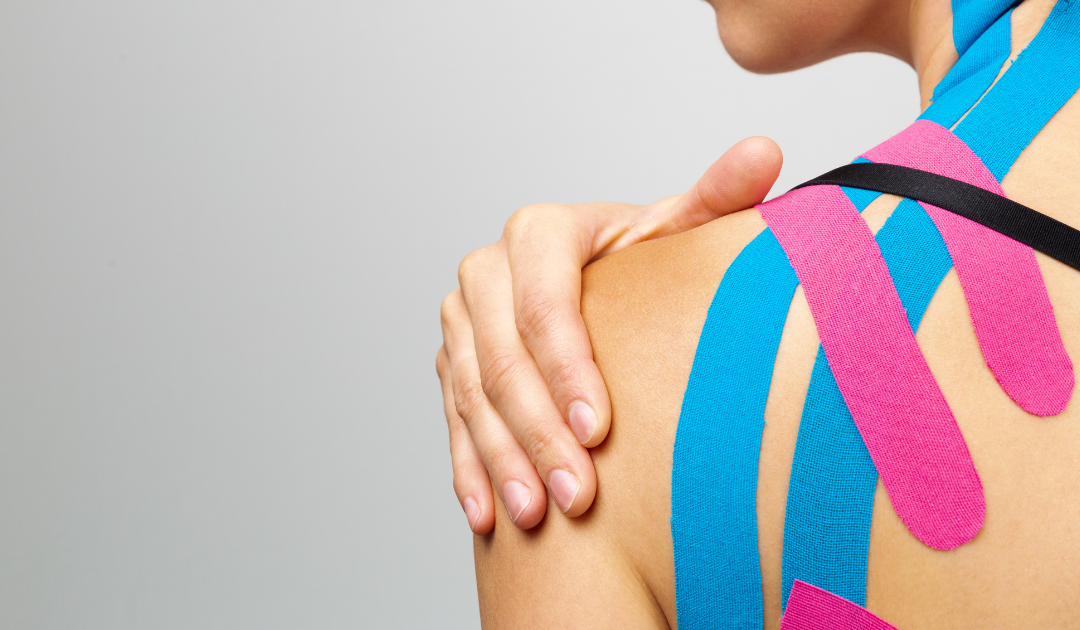
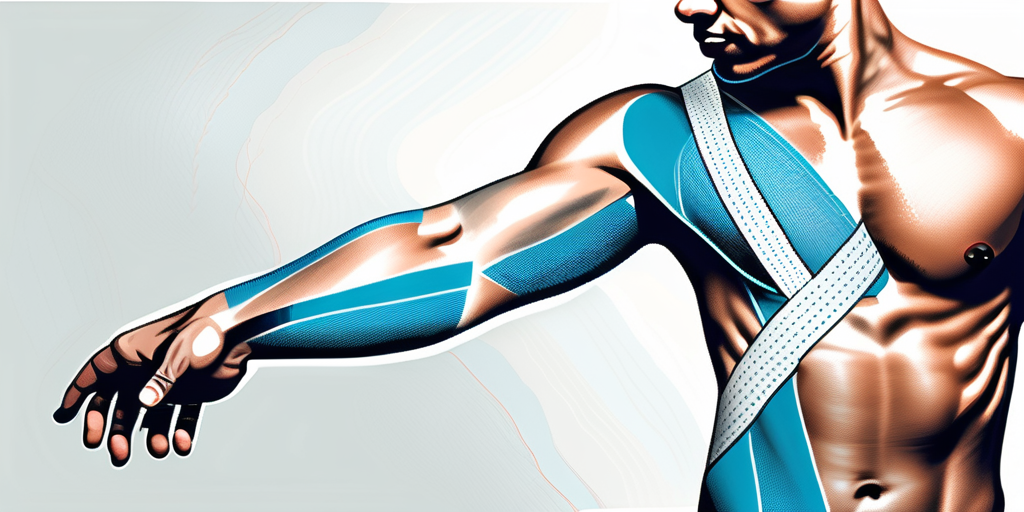
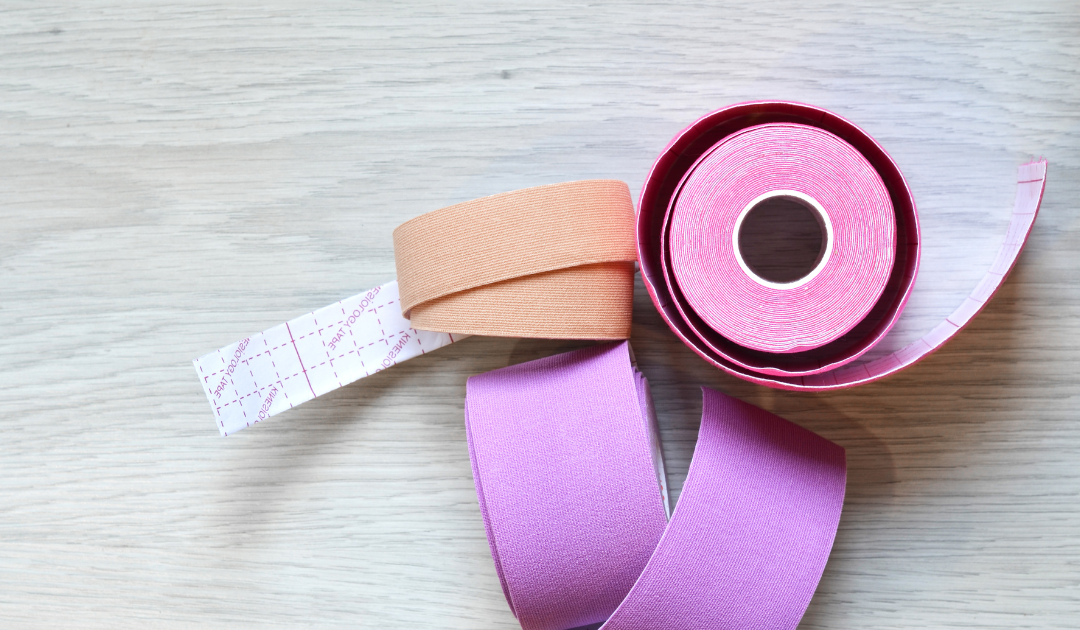
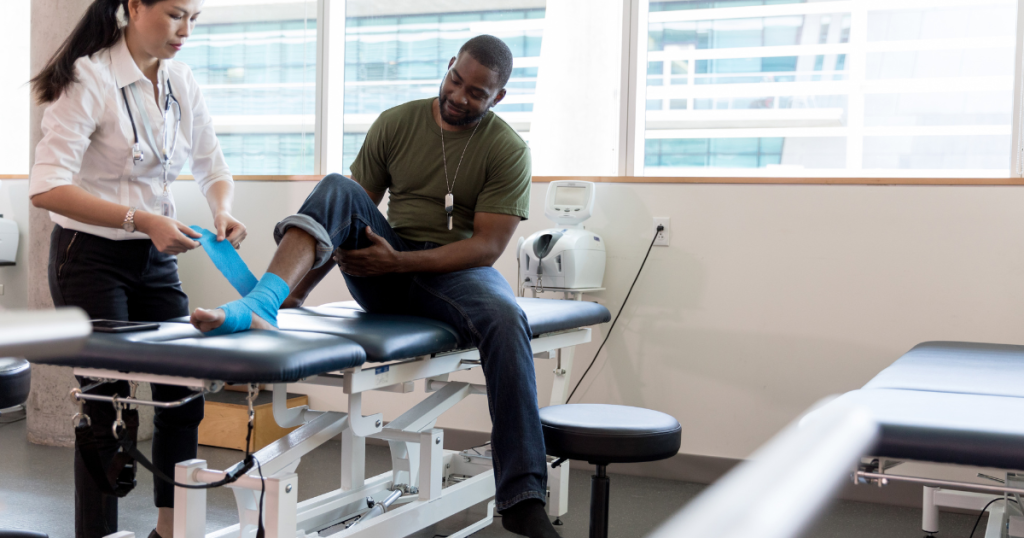
Kinesiology tape has gained popularity recently, becoming a go-to tool for athletes and individuals seeking pain relief and support for their muscles and joints. But how does this colorful tape work?
This article will explore the science behind kinesiology tape and its various applications. From its basics to its mechanisms of action, we will uncover the secrets behind this remarkable tool.
Understanding the Basics of Kinesiology Tape
Before diving into the intricacies of kinesiology tape’s functionality, it is crucial to understand its fundamental principles. Unlike traditional athletic tape, which aims to restrict movement and provide rigid support, the tape used by kinesiologists is designed to facilitate movement while offering gentle support and pain relief.
This tape is meticulously crafted from elastic cotton fibers to deliver unparalleled flexibility, breathability, and comfort for the user.
The History and Development of Taping in Kinesiology
Kinesiology tape originated in the 1970s when Dr. Kenzo Kase, a Japanese chiropractor, developed a new approach to treating musculoskeletal injuries. Dr. Kase recognized the limitations of traditional tapes and created a tape that mimicked the properties of human skin. Through careful experimentation and research, he formulated the concept of kinesiology taping based on his understanding of human anatomy, physiology, and biomechanics.
Dr. Kase’s groundbreaking work revolutionized the field of sports medicine and rehabilitation. His innovative tape provided support and pain relief and enhanced the body’s natural healing processes. The elastic cotton fibers of kinesiology tape mimic the elasticity and breathability of human skin, allowing for optimal movement and comfort.
Since its inception, kinesiology taping has undergone continuous refinement and improvement. Today, healthcare professionals, athletic trainers, and individuals extensively use it to tackle various conditions, from sports injuries to chronic pain. The versatility and effectiveness of kinesiology tape have made it a staple in sports and rehabilitation.
How Kinesiology Tape Differs from Traditional Athletic Tape
While kinesiology and traditional athletic tape support muscles and joints, they employ different approaches to achieve their goals.
Traditional athletic tape primarily provides immobilization and stability. It restricts movement and offers rigid support to injured areas, commonly used in sports like boxing or weightlifting. However, traditional athletic tape can limit the body’s natural range of motion and hinder healing.
In contrast, kinesiology tape allows for a wider range of motion while providing support and pain relief. Its elastic properties promote healthy movement patterns without compromising stability, making it an excellent choice for athletes who need to maintain their agility and flexibility while recovering from an injury.
Additionally, traditional athletic tape is usually applied in a specific pattern to restrict movement. In contrast, kinesiology tape can be utilized in multiple ways, depending on the intended outcome. Its versatility and adaptability make it invaluable for treating various conditions. Kinesiology tape addresses specific requirements, such as reducing swelling, boosting muscle function, or easing discomfort.
Mechanisms of Action: How Kinesiology Tape Supports Muscles and Joints
Now that we understand the basics, let’s explore how kinesiology tape works magic.
One of the fundamental mechanisms behind kinesiology tape’s effectiveness is its ability to lift the skin, creating space between the layers. This lifting action has several beneficial effects on the body. First and foremost, it enhances blood and lymphatic circulation, improving nutrient and waste exchange in the tissues. By increasing circulation, kinesiology tape aids in reducing inflammation and promoting faster recovery.
The lift provided by the tape also supports and stabilizes muscles and joints. When applied correctly, kinesiology tape can help alleviate muscle tension and pain by facilitating proper biomechanical alignment. It is a gentle reminder to the body, encouraging correct movement patterns and reducing stress on injured or overused areas.
Additionally, kinesiology tape provides sensory feedback to the body, enhancing proprioception—our sense of position and movement. Stimulating the skin and underlying tissues creates sensory input, allowing the brain and muscles to communicate better. This heightened proprioception can improve coordination, balance, and overall athletic performance.
Moreover, it is versatile in its application. It can be used not only for injury rehabilitation but also as a preventive measure. Athletes often use tape to support muscles and joints during intense training sessions or competitions, reducing the risk of strains or sprains.
Furthermore, the adhesive properties of kinesiology tape are designed to withstand various environmental conditions, making it suitable for use during water-based activities or in hot and humid climates. This durability ensures that the tape remains in place and continues to provide support and feedback to the body, even during rigorous physical activities.
Typical Applications and Benefits of Kinesiology Tape
The versatile kinesiology tape is an essential tool that kinesiologists can use for various applications.
One everyday use of kinesiology tape is in the management of sports-related injuries. Whether sprained ankles, strained muscles, or tendinitis, kinesiology tape can provide targeted support and pain relief to help athletes get back on their feet and in the game. Its ability to promote blood flow and reduce inflammation makes it an excellent tool for injury rehabilitation.
Beyond sports injuries, kinesiology tape can benefit individuals with chronic pain conditions like arthritis or fibromyalgia. Providing gentle compression and support can help alleviate pain and improve function in affected areas.
Kinesiology tape is an essential tool in physical therapy and rehabilitation. It plays a crucial role in rehabilitation programs by facilitating muscle retraining, correcting posture, and stabilizing joints.
In addition to these applications, kinesiology tape has found its way into dance. Dancers often push their bodies to the limit, subjecting themselves to intense physical demands. Kinesiology tape can support and protect vulnerable areas, such as the ankles, knees, and wrists, allowing dancers to perform confidently and reduce the risk of injury.
Furthermore, kinesiology tape has gained popularity in pregnancy and postpartum care. It can support the abdomen and lower back, helping alleviate discomfort and promote proper posture during pregnancy. After childbirth, kinesiology tape can aid recovery by providing gentle support to the abdominal muscles and promoting proper alignment.
It is important to note that while kinesiology tape can offer significant benefits, it is not a cure-all solution. It should be part of a comprehensive treatment plan alongside appropriate medical or professional advice.
Kinesiology tape proliferates in various sectors thanks to its unique properties and proven effectiveness. By understanding how this remarkable tape works, we can better appreciate its potential to support our bodies and enhance our well-being.
Embracing the Benefits of Kinesiology
Kinesiology has become a staple in sports and rehabilitation due to its unique properties and proven effectiveness. Its ability to provide support while allowing for a wide range of motion makes it an invaluable tool for athletes and individuals alike.
From enhancing blood flow and reducing inflammation to improving proprioception and preventing injuries, kinesiology tape offers a versatile and holistic approach to musculoskeletal health. Whether you’re an athlete recovering from an injury or someone dealing with chronic pain, kinesiology tape can play a significant role in your overall treatment plan.
Embracing this innovative tool can lead to better performance, faster recovery, and improved quality of life.
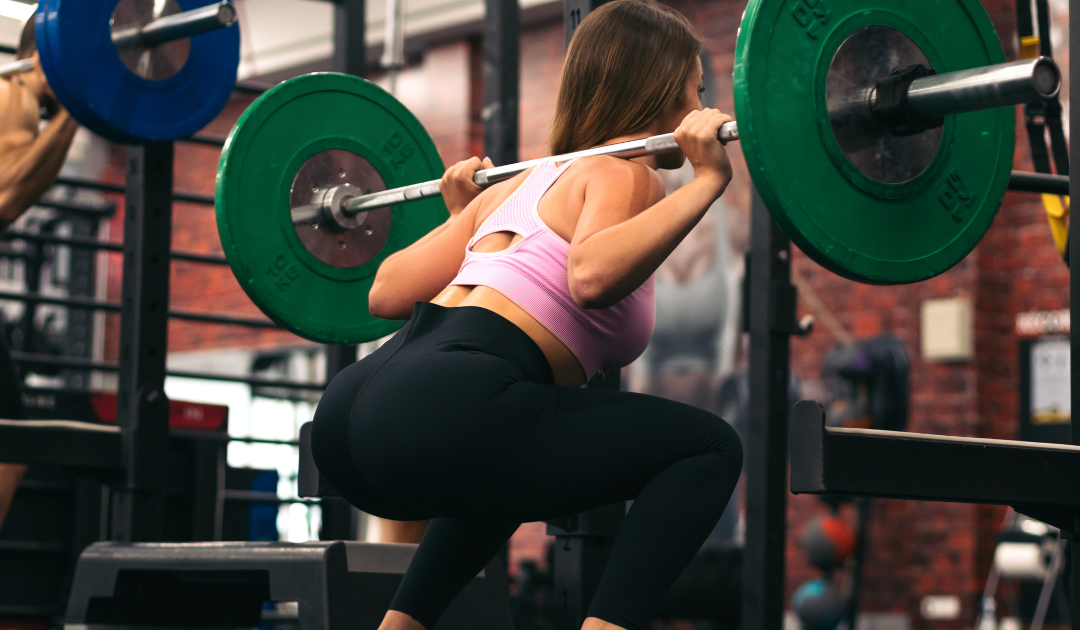
Are you tired of experiencing lower back pain every time you attempt to squat? If so, you’re not alone. Many fitness enthusiasts struggle with this issue, but the good news is that there are solutions. In this article, we’ll explore the causes of lower back pain while squatting and provide you with effective strategies to prevent and alleviate it. Whether you’re a seasoned weightlifter or a beginner looking to perfect your form, discover how to overcome this common challenge.
Understanding the Causes of Lower Back Pain During Squats
Before we delve into the solutions, it’s essential to understand what causes lower back pain during squats. One of the main culprits is poor form. When you perform squats incorrectly, you put excessive stress on your lower back, leading to discomfort and potential injury.
Another contributing factor is a lack of core stability. Your core muscles support your spine and maintain proper alignment during squats. Weak core muscles can lead to compromised form, placing unnecessary strain on your lower back.
Tight muscles can lead to lower back pain, form, and core stability. If your hip flexors, hamstrings, or glutes are tight, they can pull on your lower back during squats, causing discomfort and a limited range of motion.
The Importance of Proper Form
Form is everything when it comes to squatting safely and effectively. So, what common squatting mistakes lead to lower back pain?
1. Rounding the back: This is a common error where your lower back curves inward during the squat, increasing the pressure on your spine. Maintaining a neutral spine throughout the movement is crucial for injury prevention.
2. Leaning too far forward: Excessive forward leaning of the torso during squats can put excessive stress on the lower back. The weight should be evenly distributed throughout the feet, and the back should remain upright.
3. Using too much weight: Adding too much weight too quickly can overload the muscles and strain your lower back. Gradually increase the weight to allow your body to adapt.
Addressing these common mistakes and focusing on proper form can significantly reduce the risk of lower back pain while squatting.
Proper Squatting Techniques to Prevent Pain
Now that we’ve identified the causes of lower back pain during squats, let’s dive into the techniques to prevent it. Follow these steps to ensure proper form and reduce strain on your lower back:
1. Warm-up: Start with a dynamic warm-up to increase blood flow and prepare your muscles for the squatting motion. Incorporate exercises such as leg swings, hip circles, and bodyweight squats.
2. Engage your core: Before squatting, draw your belly button towards your spine to engage your core muscles. This will provide stability and support to your lower back throughout the movement.
3. Maintain a neutral spine: Keep your back straight and your chest lifted during the entire squat. Avoid rounding or arching your lower back.
4. Control the descent: Lower your body slowly, allowing your hip crease to drop below the parallel position. Avoid sudden or uncontrolled movements.
5. Drive through your heels: As you push yourself back up to the standing position, focus on driving through your heels rather than your toes. This will engage your glutes and hamstrings, reducing strain on your lower back.
6. Breathe: Inhale before starting the descent and exhale as you push up. Proper breathing technique helps stabilize your core and maintain correct form.
Implementing these techniques will build a solid foundation for pain-free squats and reduce the risk of lower back discomfort.
Now, let’s explore some additional factors that can contribute to lower back pain during squats. One often overlooked aspect is footwear. Wearing the wrong shoes can unnecessarily affect your squatting form and strain your lower back. Choosing shoes with a flat and stable sole provides adequate support and allows for proper weight distribution, which is important.
Furthermore, your flexibility and mobility play a crucial role in squatting safely. Limited ankle mobility can cause compensations in your squat form, leading to increased stress on your lower back. Incorporating ankle mobility exercises, such as calf stretches and ankle circles, into your warm-up routine can help improve your range of motion and reduce the risk of lower back pain.
Lastly, incorporating accessory exercises into your training routine can help strengthen the muscles that support your lower back during squats. Exercises like deadlifts, Romanian deadlifts, and back extensions target the posterior chain, including the muscles in your lower back, hamstrings, and glutes. Strengthening these muscles can provide additional support and stability, reducing the likelihood of experiencing lower back pain.
Strengthening Exercises to Support Lower Back Health
Aside from focusing on the squatting technique, incorporating strength exercises that target the muscles supporting your lower back can offer significant benefits. Here are a few exercises that can help improve lower back health:
1. Deadlifts
Deadlifts are a compound exercise that targets multiple muscle groups, including the erector spinal muscles that support your spine. Start with a lighter weight and gradually increase as you build strength and confidence.
Maintaining proper form during deadlifts is important to prevent injury and maximize the benefits to your lower back. Engage your core, keep your back straight, and lift with your legs to avoid straining your back muscles. Focus on the mind-muscle connection to ensure you’re activating the right muscles with each repetition.
2. Glute Bridges
Glute bridges activate your gluteus maximus, which helps stabilize your pelvis and lower back during squats. Lie on your back with your knees bent, lift your hips off the ground, and squeeze your glutes at the top of the movement.
To enhance the effectiveness of glute bridges for lower back health, focus on the mind-muscle connection by consciously squeezing your glutes at the top of each repetition. This will ensure that you fully engage the muscles that support your lower back, leading to better strength gains and stability.
3. Planks
Planks strengthen your core muscles, including those that stabilize your lower back. Start in a push-up position, rest on your forearms, and hold the position for as long as possible, maintaining a straight line from your head to your toes.
For an added challenge and increased benefits to your lower back, try incorporating variations of planks into your routine. Side planks, plank lifts, or shoulder plank taps can further engage the muscles around your lower back, enhancing overall stability and strength.
Including these exercises in your workout routine can help improve the strength and stability of your lower back, reducing the likelihood of pain during squats and other activities.
Stretching Routines to Improve Flexibility
In addition to strengthening exercises, incorporating stretching routines into your fitness regimen can significantly enhance flexibility, range of motion, and overall athletic performance. Stretches help prevent injuries, promote muscle relaxation, and improve blood circulation. Dedicating time to stretching can increase your body’s flexibility and resilience, allowing you to push your physical boundaries safely and effectively.
A well-rounded stretching routine enhances your flexibility and prevents lower back pain during squats. Alongside targeted strengthening exercises, incorporating a variety of stretches can help loosen tight muscles, improve joint mobility, and optimize your squatting form for better results.
1. Hip Flexor Stretch
The hip flexors play a crucial role in hip mobility and overall posture. Tight hip flexors can lead to discomfort and restricted movement, especially during exercises like squats. To effectively perform a hip flexor stretch, kneel on one knee with the other leg bent at a 90-degree angle. Tilt your pelvis forward while maintaining an upright torso, feeling a deep stretch in the front of your hip. Hold this position on each side for at least 30 seconds, breathing deeply to enhance the stretch.
2. Standing Hamstring Stretch
Flexible hamstrings are vital for achieving proper squat depth and preventing strain on the lower back. The standing hamstring stretch is a simple yet effective way to target and lengthen these muscles. Stand with one foot on a stable surface, keeping your leg straight and your toes pointing towards the ceiling.
Slowly hinge forward from your hips, reaching towards your elevated foot until you feel a gentle stretch in the back of your thigh. Hold this position for 30 seconds on each leg, allowing your muscles to relax and elongate with each breath.
3. Cat-Camel Stretch
The cat-camel stretch is a dynamic exercise that focuses on improving spinal flexibility and relieving tension in the back muscles. Starting on all fours, gently arch your back towards the ceiling while tucking your chin to your chest, creating a rounded position like a cat.
Then, transition into a camel position by lowering your belly towards the floor and lifting your head and tailbone towards the ceiling. Flow between these two positions smoothly, moving with your breath for 10 repetitions. This stretch increases flexibility in the spine and promotes core stability and balance.
Integrating these stretches into your warm-up routine or post-workout cooldown can profoundly impact your squatting performance and overall well-being. By prioritizing flexibility training and incorporating these targeted stretches into your fitness regimen, you can enhance your body’s resilience, improve your range of motion, and reduce the risk of injury during physical activities.
Listen to your body, breathe deeply throughout each stretch, and gradually increase the intensity to unlock your full potential.
The Role of Core Stability in Preventing Lower Back Pain
We briefly touched on the importance of core stability earlier, but let’s delve deeper into the topic. Your core muscles, including the abdominals, obliques, and lower back muscles, are vital in maintaining proper form during squats and preventing lower back pain. Here’s why:
1. Spine stabilization: Your core muscles stabilize your spine, providing a solid foundation for all movement, including squats. When your core is weak, your lower back has to compensate, which can lead to pain and injury.
2. Weight distribution: A strong core ensures proper weight distribution during squats, preventing excessive strain on your lower back. By engaging your core, you distribute the load more evenly, reducing the risk of discomfort.
3. Postural alignment: Core stability helps maintain proper posture during squats. When your core is engaged, your hips, pelvis, and spine align correctly, reducing the likelihood of lower back pain.
To improve core stability, consider incorporating exercises such as planks, Russian twists, and bird dogs into your workout routine. Strengthening your core will enhance your squatting performance and reduce the risk of lower back pain during other activities.
When to Seek Professional Help for Lower Back Pain
If you’ve tried implementing proper squatting techniques, strengthening exercises, and flexibility routines without finding relief from lower back pain while squatting, it may be time to seek professional help. A qualified medical professional or physical therapist can assess your situation and provide personalized guidance and treatment options.
An expert can help identify any underlying issues contributing to your pain, such as muscle imbalances, posture problems, or mobility limitations. They can also develop a targeted plan to address these issues and help you regain pain-free squats.
Remember, it’s essential to listen to your body and not push through severe pain or discomfort. Continuing to perform squats while experiencing ongoing pain can lead to further injury and delayed recovery.
Experiencing lower back pain while squatting is a common challenge, but it doesn’t have to hinder your progress or enjoyment of this beneficial exercise. You can overcome lower back pain and perform squats pain-free by understanding the causes, using proper form, and incorporating strengthening exercises and stretching routines.
If necessary, seek professional help to ensure a proper diagnosis and personalized treatment plan. With dedication and a proactive approach, you can achieve pain-free squats and enjoy their many benefits to your overall fitness and strength. Happy squatting!
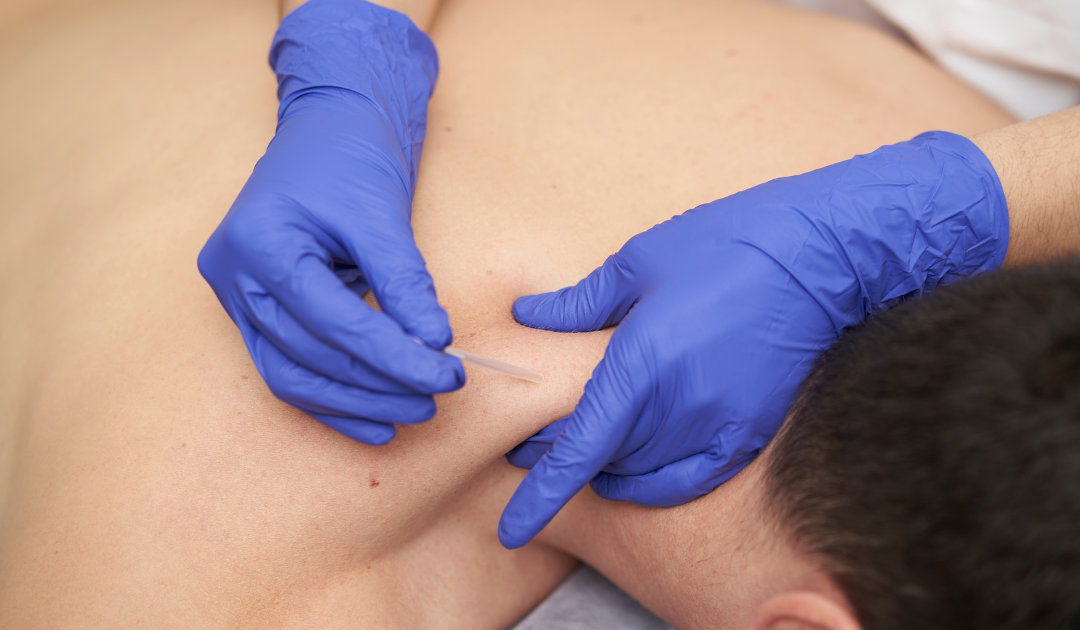
Needle therapy has recently gained popularity as an effective treatment for musculoskeletal conditions. One form of this therapy, known as dry needling, involves the insertion of thin needles into trigger points or tight muscles. However, for many potential patients, the question remains: Does dry needling hurt? This article will explore the ins and outs of dry needling, its potential discomfort, and its benefits.
Understanding Dry Needling: What to Expect
Dry needling is a therapeutic technique that releases tense muscles and reduces pain. During a session, a trained practitioner inserts fine needles into specific trigger points or muscle knots. These areas are targeted to stimulate a response from the nervous system, promoting muscle relaxation and alleviating pain.
One common misconception about dry needling is that it is similar to acupuncture. While they both involve needle insertion, the underlying principles behind them differ. Acupuncture is rooted in traditional Chinese medicine and focuses on balancing the flow of energy, known as qi, throughout the body. In contrast, dry needling is based on modern Western medicine principles and aims to address specific muscular issues and their associated pain.
It’s important to note that dry needling should only be performed by trained professionals who thoroughly understand human anatomy and proper needling techniques. This ensures that the procedure is carried out safely and effectively, minimizing the risk of complications.
What Conditions are Treated with Dry Needling?
Dry needling has shown promising results in treating a wide range of conditions, including:
Muscle pain and spasms
Tendonitis
Fibromyalgia
Sciatica
Headaches and migraines
By targeting the trigger points within these affected areas, dry needling aims to promote healing and restore normal muscle function.
Furthermore, research has indicated that dry needling can also benefit individuals recovering from sports injuries. By addressing muscle imbalances and promoting tissue healing, dry needling can help athletes regain strength and flexibility, allowing them to return to their sport more quickly and safely.
Common Sensations During a Dry Needling Session
Now that we better understand dry needling, let’s delve into the sensations patients may experience during a session. It’s important to note that everyone’s experience may differ, as pain tolerance and sensitivity vary from person to person.
Many individuals describe the sensation of dry needling as a slight pressure or mild discomfort upon needle insertion. Some may experience a brief twinge or muscle cramp as the needle stimulates the targeted area. These sensations are typically short-lived, lasting only a few seconds.
Communicating with your practitioner throughout the session is crucial to ensuring your comfort. They can adjust the depth of needle insertion or modify the treatment technique to minimize any potential discomfort.
Factors That Influence Discomfort Levels
Several factors play a role in determining the level of discomfort experienced during a dry needling session:
Pain tolerance: Individuals with a higher pain threshold may perceive less discomfort.
Sensitive areas: Some trigger points or muscles may be more sensitive than others, potentially causing more discomfort.
Treating deeper tissues: Patients may experience a sensation different from superficial muscles when targeting deeper muscles.
Existing muscle tension: Significant muscle tension may increase the likelihood of discomfort during needling.
Technique and Sensation
The sensations experienced during a dry needling session can vary depending on the technique used. For example, some practitioners use a technique called “pistoning,” where the needle is rapidly moved in and out of the targeted area. This method can create a tapping or vibrating sensation, which some individuals find more tolerable than a static needle.
Depth of Needle Insertion
The depth of needle insertion can also influence the sensations felt. When targeting superficial muscles, the needle may only penetrate a few millimeters, resulting in a milder sensation. However, treating deeper tissues, such as muscles beneath layers of fascia, may require further needle insertion, potentially causing a stronger sensation.
Impact of Anxiety and Stress
Individual factors such as anxiety or stress levels can also impact the perception of discomfort during a dry needling session. It’s common for individuals who are more relaxed and mentally prepared for the treatment to report less discomfort than those who are more anxious or tense.
Communication with Your Practitioner
Overall, the sensations experienced during a dry needling session can vary widely from person to person. Communicating openly with your practitioner is as important as providing feedback on your sensations. This communication helps tailor the treatment to your needs and ensures a more comfortable experience.
How Practitioners Minimize Pain During Dry Needling
Dry needling practitioners employ techniques to minimize discomfort and ensure a positive patient experience. These techniques may include:
Proper needle insertion: Skilled practitioners can insert needles swiftly and precisely, reducing unnecessary discomfort.
Advanced needling techniques: Some practitioners may employ piston or threading techniques to minimize pain further.
Communication and feedback: Consistent communication between the practitioner and patient allows adjustments to be made in real time, promptly addressing any discomfort.
Supportive environment: Creating a calming and supportive atmosphere can help patients relax, potentially reducing discomfort levels.
By taking these steps, practitioners strive to create a safe and comfortable environment for patients undergoing dry needling.
Furthermore, practitioners often customize their approach based on each patient’s individual needs and responses. This personalized care can involve adjusting the needle insertion depth, the insertion angle, or the needling technique to suit the patient’s unique pain tolerance and sensitivity.
In addition to the technical aspects of dry needling, practitioners also emphasize the importance of post-treatment care. Patients are typically advised on proper self-care practices, such as hydration, gentle stretching exercises, and rest, to optimize the effects of the treatment and minimize any post-needling soreness.
Benefits of Dry Needling Despite Discomfort
Although dry needling may involve some discomfort for certain individuals, it’s important to emphasize its potential benefits. The temporary discomfort experienced during the session is often overshadowed by the positive outcomes that can arise from this therapy.
Some benefits of dry needling include:
Pain reduction: Dry needling can significantly reduce pain and discomfort by targeting trigger points and relieving muscle tension.
Improved muscle function: Dry needling can release tight muscles, enhancing flexibility, range of motion, and overall muscle function.
Faster recovery: Dry needling can promote faster tissue healing and recovery time, allowing individuals to return to regular activities sooner.
Complementary treatment: Dry needling can complement other therapies, such as physical therapy or chiropractic care, to optimize overall treatment outcomes.
It’s essential to weigh the potential discomfort against the numerous benefits of dry needling, ultimately deciding whether it’s the right therapy for you.
Furthermore, dry needling is not a one-size-fits-all approach, as the effectiveness of the treatment can vary depending on the individual’s condition and response to the therapy. Factors such as the location of the trigger points, the severity of muscle tightness, and the individual’s pain threshold can all influence the outcomes of dry needling.
Another important aspect to consider is the qualifications and experience of the healthcare provider performing the dry needling. A skilled and knowledgeable practitioner will ensure the procedure’s safety and maximize the potential benefits for the patient. To achieve the best results, seeking a licensed healthcare professional who has received proper training in dry needling techniques is crucial.
Comparing Dry Needling Pain to Other Therapies
Understanding how dry needling pain compares to other therapies can provide valuable insights when considering treatment options for musculoskeletal conditions. Pain tolerance and sensitivity vary from person to person, making individual experiences unique.
Dry Needling vs. Invasive Interventions: Compared to surgeries or injections, dry needling generally causes minimal discomfort. The ultra-fine, flexible needles minimize tissue trauma and associated pain. Discomfort during dry needling is usually short-lived, with most reports indicating mild to moderate levels of discomfort.
Dry Needling vs. Other Non-Invasive Therapies: Noninvasive therapies like massage or physical therapy offer alternative pain management options for patients with varying discomfort levels. Individual preferences in pain management play a crucial role in choosing the most suitable treatment approach.
Dry Needling vs. Massage Therapy: Both techniques aim to alleviate musculoskeletal pain but differ in their approaches. Dry needling targets specific muscle trigger points, using thin needles to release tension and promote healing. Massage therapy involves manual manipulation of the soft tissues, applying pressure and kneading techniques to relieve muscle tension and improve blood flow.
Dry Needling vs. Physical Therapy: Physical therapy rehabilitates and strengthens the affected area through targeted exercises and stretches. It aims to improve mobility, reduce pain, and enhance overall function. While dry needling may provide immediate relief by directly addressing trigger points, physical therapy offers a more comprehensive approach, addressing underlying issues and promoting long-term recovery.
Making Informed Decisions
While dry needling may involve some discomfort for specific individuals, it is generally well-tolerated and offers various potential benefits. Understanding the nature of dry needling, the sensations experienced during a session, and the techniques employed to minimize discomfort can help individuals make informed decisions about this effective treatment option.
If you’re considering dry needling, rest assured that any temporary discomfort is typically outweighed by the positive outcomes it can provide for your musculoskeletal health.
As an athlete, taking care of your body is essential for achieving peak performance. While training, conditioning, and recovery exercises are often prioritized, one area that is often overlooked is hip health. The hips play a crucial role in athletic movements, and ensuring their flexibility and strength can significantly impact overall performance. One method that can greatly benefit athletes is hip massage.
Understanding the Importance of Hip Health for Athletes
Before delving into the benefits of hip massage, it’s crucial to understand the significance of hip health for athletes. The hips act as a bridge between the upper and lower body, transferring power and energy during movements such as running, jumping, and changing direction. Flexibility and mobility in the hips can enhance the range of motion, allowing athletes to move more efficiently and precisely.
However, the repetitive nature of many sports activities can lead to tightness and imbalances in the hip muscles. This can hinder athletic performance, increase the risk of injury, and impede recovery. That’s where hip massage comes in.
During a hip massage, a trained therapist will focus on releasing tension in the hip flexors, glutes, and surrounding muscles. This can help improve blood flow to the area, reduce muscle soreness, and enhance flexibility. The therapist can help restore hip balance and alignment by targeting specific trigger points and knots, promoting optimal function.
Athletes who incorporate regular hip massages into their training regimen may experience improved performance, reduced risk of injuries such as strains and sprains, and faster recovery times. Additionally, maintaining healthy hip mobility can positively impact overall posture and alignment, translating to better athletic form and efficiency in movement patterns.
How Hip Massage Enhances Athletic Performance
Hip massage offers many benefits that can significantly enhance an athlete’s performance. Firstly, it helps to relieve tension and tightness in the hip muscles, promoting optimal flexibility and range of motion. This can improve athletes’ ability to perform explosive movements, agility drills, and quick direction changes.
Moreover, hip massage helps increase blood flow to the hip area, enhancing nutrient delivery and waste removal. This improved circulation can reduce inflammation and promote faster recovery after intense workouts or competitions.
Additionally, hip massage can help to correct imbalances between the hip muscles, ensuring proper alignment and reducing the risk of compensation injuries. By targeting specific muscle groups, such as the hip flexors, glutes, and adductors, athletes can experience improved muscle activation and coordination.
The Role of Hip Mobility in Athletic Performance
Optimizing hip mobility is crucial for athletes seeking to maximize their performance on the field or court. Strong hip abductors and adductors are essential for lateral movements, while flexible hip flexors are necessary for explosive actions such as sprinting and jumping.
Furthermore, balanced hip musculature can prevent injury by reducing strain on other body areas. When the hips function optimally, the knees, ankles, and lower back are less stressed, decreasing the risk of overuse injuries.
However, it’s important to note that hip mobility is not solely determined by the muscles surrounding the hip joint. Other factors, such as joint capsule tightness and fascial restrictions, can also impact hip mobility. That’s where hip massage plays a crucial role.
During a hip massage, a skilled therapist targets the muscles and works on releasing tension in the joint capsule and fascia. By applying specific techniques, such as myofascial release and joint mobilizations, the therapist can help improve the overall mobility of the hip joint.
Furthermore, hip massage can address common issues that athletes may face, such as hip impingement or tightness in the iliotibial (IT) band. These conditions can limit hip mobility and cause pain during movement. Therapists can help alleviate these issues by incorporating targeted massage techniques and restoring optimal hip function.
Hip massage is a valuable tool for athletes looking to enhance their performance. Hip massage can significantly optimize hip mobility and reduce the risk of injuries by promoting flexibility, improving circulation, correcting imbalances, and addressing joint and fascial restrictions. So, whether you’re a professional athlete or a weekend warrior, consider incorporating hip massage into your training routine to take your performance to the next level.
Key Hip Massage Techniques for Athletes
Several effective hip massage techniques are available for athletes. Myofascial release is widely used, which targets the connective tissue surrounding the muscles. This can help break down adhesions and improve the overall function of the hip muscles.
Another technique is deep tissue massage, which targets the deeper layers of muscle tissue. This can benefit athletes who experience chronic tightness or muscle imbalances in the hip area. Deep tissue massage can help to release trigger points and restore optimal muscle function.
Stretching exercises and assisted stretching can also be incorporated into hip massage sessions. These techniques can further enhance the hip joints’ flexibility and range of motion, promoting optimal athletic performance.
Utilizing Foam Rolling for Hip Mobility
Incorporating foam rolling into a hip massage routine can significantly benefit athletes. Foam rolling exercises target the muscles and fascia surrounding the hips, helping to release tension and improve mobility. Using a foam roller, athletes can perform self-myofascial release techniques to alleviate tightness and optimize hip function.
Some effective foam rolling exercises for the hips include rolling the iliotibial (IT) band, gluteus maximus, and tensor fasciae latae (TFL) muscle. These exercises can be performed before or after a workout or competition to enhance hip mobility and reduce muscle soreness.
Furthermore, incorporating heat therapy into hip massage sessions can benefit athletes. Heat therapy, such as warm towels or heating pads, can help relax the muscles and increase blood flow to the hip area. This can aid in the release of tension and promote faster recovery from intense physical activity.
In addition to heat therapy, aromatherapy can be integrated into hip massage sessions to enhance the overall experience. Essential oils such as lavender or eucalyptus can create a soothing and refreshing atmosphere, promoting relaxation and reducing stress. The pleasant scent of these oils can also positively impact the athlete’s mood and mental well-being.
Proper Post-Massage Care for Optimal Results
After a hip massage session, athletes should take proper care of their bodies to maximize the benefits. This includes staying hydrated to flush out toxins released during the massage and aid muscle recovery. They are also recommended to engage in light stretching or gentle exercises to maintain the improved flexibility and range of motion achieved through the massage.
Additionally, athletes should avoid intense physical activity immediately after a hip massage to allow the body to fully absorb the benefits of the session. Taking the time to rest and relax can further enhance the positive effects of the massage and promote overall well-being.
By incorporating these additional techniques and practices into hip massage sessions, athletes can experience enhanced performance, improved recovery, and a greater sense of well-being. Whether through foam rolling, heat therapy, or post-massage care, athletes can optimize their hip health and elevate their athletic abilities.
The Role of Hip Massage in Injury Prevention
One of the most significant benefits of hip massage for athletes is its role in injury prevention. By addressing tightness, imbalances, and restricted range of motion in the hip muscles, athletes can reduce the risk of common injuries such as hip strains, IT band syndrome, and groin pulls.
When the hip muscles are free from tension and able to move efficiently, the likelihood of compensatory movements and overuse injuries is greatly diminished. Incorporating regular hip massage into an athlete’s training routine can provide a proactive approach to injury prevention and long-term athletic success.
Furthermore, hip massage can also improve an athlete’s overall performance by enhancing flexibility and muscle function. Increased blood flow to the hip muscles during massage helps to promote relaxation and reduce muscle soreness, allowing athletes to move more freely and powerfully during training and competition.
In addition to physical benefits, hip massage can positively impact an athlete’s mental well-being. The relaxation and stress relief provided by massage can help athletes maintain focus, reduce anxiety, and improve sleep quality, which are crucial for optimal athletic performance.
Benefits of Hip Massage for Recovery and Rehabilitation
Hip massage can be vital in promoting healing and restoring functionality during the recovery and rehabilitation phase. By increasing blood flow and circulation to the hip area, massage can accelerate the removal of metabolic waste products and reduce inflammation.
In addition to its physical benefits, hip massage also offers psychological benefits for athletes in recovery. The hands-on nature of massage promotes relaxation, reduces stress, and relieves anxiety. This can be especially beneficial during the emotional challenges often accompanying injury recovery.
Furthermore, hip massage can help break down scar tissue that forms during the healing process, restoring proper muscle function. By incorporating hip massage into a comprehensive rehabilitation program, athletes can expedite their return to play and minimize re-injury risk.
It’s important to note that a trained professional should perform hip massages to ensure the correct techniques are used for optimal results. A skilled massage therapist can target specific muscles and areas of tension in the hip, tailoring the treatment to the individual’s needs.
Additionally, using massage oils or creams during the hip massage can enhance the experience by reducing friction and providing a soothing sensation. Some therapists may incorporate aromatherapy into the session, using essential oils known for their healing properties to promote relaxation and pain relief.
Overall, hip massage is a physical therapy and a holistic approach to recovery, addressing both the body and mind. It can be a valuable tool in rehabilitation, helping athletes regain strength, flexibility, and confidence as they work towards full recovery.
Integrating Hip Massage into an Athletic Training Routine
Lastly, integrating hip massage into an athlete’s training routine is essential for reaping its numerous benefits. Whether you’re a professional athlete or enjoy recreational sports, finding the time to prioritize hip health is crucial.
Consider incorporating regular hip massage sessions into your routine, either through self-massage techniques or by seeking the assistance of a licensed massage therapist. Doing so can optimize hip mobility, enhance performance, prevent injuries, and facilitate effective recovery.
Remember, the benefits of hip massage extend far beyond the athletic arena. By prioritizing your hip health, you can experience improved quality of life, increased physical functionality, and a sense of overall well-being.
Applied Kinesiology (AK) is a holistic health approach that combines principles from chiropractic care, muscle testing, nutrition, osteopathy, and other fields. Practitioners use AK to assess and treat imbalances in the body. They identify underlying issues by analyzing muscle function and related organs, glands, and bones.
These issues may cause health problems. This article will explore the principles, history, techniques, benefits, and joint conditions treated in Applied Kinesiology and cover what patients can expect during a session.
Understanding the Principles of Applied Kinesiology
Applied Kinesiology’s core concept is that the body is a complex interconnected system. Practitioners believe that imbalances in one area can affect other areas, leading to various health issues. Practitioners assess muscle strength and weakness to gain insights into the body’s energy flow and identify areas that require attention.
Through muscle testing, Applied Kinesiology practitioners believe they can tap into the body’s innate wisdom and gather valuable information about physical, chemical, and emotional factors contributing to health problems. This information then guides the development of a personalized treatment plan tailored to each individual’s unique needs.
One fascinating aspect of Applied Kinesiology is the incorporation of Chinese medicine principles. Practitioners may use techniques such as acupressure points or meridian therapy to help restore balance to the body’s energy flow. AK offers a comprehensive approach to health and wellness by combining Western anatomical knowledge with Eastern holistic practices.
Furthermore, Applied Kinesiology is not limited to physical health concerns. Practitioners also consider the impact of nutritional deficiencies, allergies, and emotional stress on the body’s well-being. This holistic approach addresses the root causes of health issues rather than just treating symptoms, promoting long-term healing and vitality.
The History and Development of Applied Kinesiology
The roots of Applied Kinesiology date back to the 1960s. Dr. George Goodheart, a chiropractor, made a groundbreaking discovery that revolutionized holistic healthcare. He observed a correlation between muscle weakness and organ dysfunction. This led him to explore the connections between the body’s muscular, skeletal, and neurological systems. This pivotal moment marked the inception of Applied Kinesiology (AK) and laid the groundwork for a new healthcare paradigm.
As he continued his research, Dr. Goodheart developed a comprehensive assessment and treatment system. He integrated principles from chiropractic, osteopathy, and traditional Chinese medicine. This innovative approach addressed musculoskeletal issues and explored the underlying causes of health imbalances. It emphasized the interconnectedness of the body’s systems.
Applied Kinesiology has evolved significantly over the years. Dedicated practitioners have guided its refinement and advancement. Today, certified Applied Kinesiology practitioners undergo rigorous training. They master the intricate techniques and methodologies of this holistic modality. By combining manual muscle testing, nutritional counseling, and structural alignments, AK practitioners offer a unique perspective on health and wellness. This approach continues to resonate within the chiropractic community and beyond.
How Applied Kinesiology Differs from Traditional Chiropractic Care
While both Applied Kinesiology and traditional chiropractic care strive to improve overall health and well-being, there are key differences between the two approaches. Traditional chiropractic care primarily focuses on the musculoskeletal system, particularly the spine, and utilizes manual adjustments to correct misalignments.
On the other hand, Applied Kinesiology integrates aspects of traditional chiropractic care along with interventions typically associated with other allied health professions. It addresses structural issues and considers the influence of nutrition, emotions, circulation, and other factors on health. AK practitioners use muscle testing to assess the body’s response to specific stimuli, including nutritional supplements, exercises, and emotional stressors, to inform their treatment recommendations.
Traditional chiropractic care focuses mainly on the physical aspects of the body. Chiropractors use their hands to manually adjust the spine to restore proper alignment and alleviate pain. This approach has been proven effective in treating conditions such as back pain, neck pain, and headaches.
Applied Kinesiology takes a broad view of health, recognizing that the body is a complex system with various factors contributing to imbalances and discomfort. By incorporating muscle testing, AK practitioners may be able to identify structural issues, nutritional deficiencies, emotional stressors, and even energetic imbalances.
The Benefits of Applied Kinesiology for Patients
Applied Kinesiology offers numerous potential benefits for patients seeking holistic healthcare options. By addressing imbalances in the body, AK aims to promote optimal health and well-being in a natural and non-invasive way. Some potential benefits of Applied Kinesiology include:
Improved overall body function: By identifying and addressing underlying imbalances, AK can help improve the functioning of various systems in the body, leading to better overall health.
AK offers relief from pain and discomfort by employing structural adjustments, nutritional support, and emotional balancing. This approach enables individuals to achieve a higher quality of life with less pain and discomfort.
Enhanced energy levels and vitality: By optimizing the body’s systems and addressing deficiencies or imbalances, AK can help boost energy levels and restore vitality.
Quicker recovery from injuries: Applied Kinesiology can aid in the healing process by identifying and addressing any underlying factors hindering recovery, allowing individuals to bounce back faster.
Better digestion and nutrient absorption: By considering the role of nutrition in health, AK can help improve digestion and nutrient absorption, ensuring that the body receives the necessary building blocks for optimal function.
Moreover, Applied Kinesiology empowers patients by providing them with valuable insights into their own health. By actively participating in their treatment plan, individuals can better understand their body’s needs and make informed choices to support their well-being.
While traditional chiropractic care focuses primarily on the physical aspects of health, Applied Kinesiology helps practitioners to take a holistic approach, considering the interconnectedness of the body, mind, and emotions. By addressing imbalances in all these areas, AK aims to promote optimal health and well-being for its patients.
Looking for an Applied Kinesiologist near Smiths Falls, Ontario? Let’s get in touch!